
How Can You Make A Study Tour More Memorable?
Gusti Ayu Tita P
17 September 2026
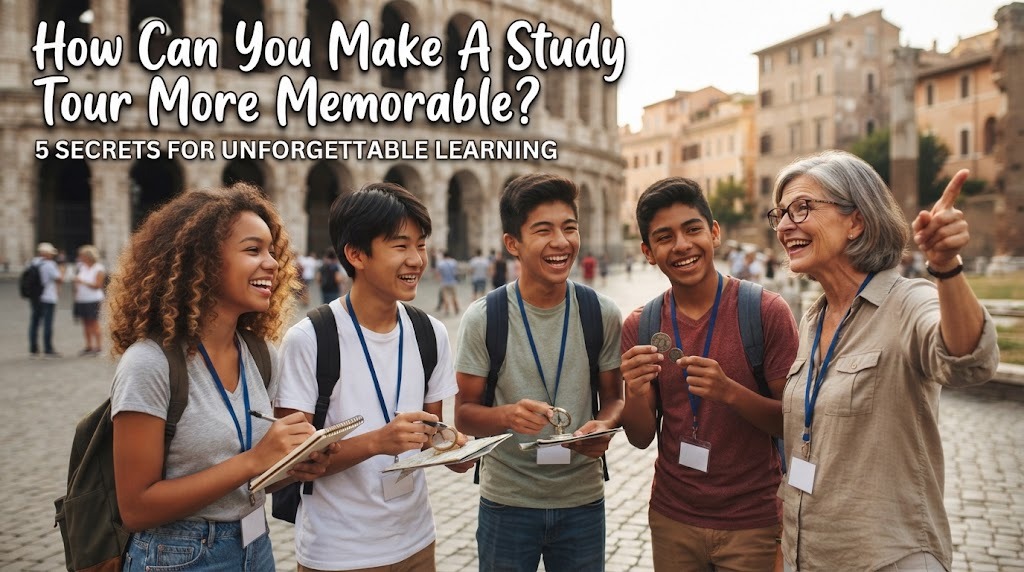
A study tour can be more than just a school trip to a new place. It can become a memorable learning experience when students actively participate in activities and make meaningful connections with their classmates. Exploring new environments, learning from local people, and discovering interesting information can create experiences that students remember for years. Good preparation and positive attitudes can make the entire journey more enjoyable.
Students can also make their study tour memorable by focusing on both learning and shared experiences. They can take notes, participate in group activities, document important moments, and reflect on what they have learned. The goal is not simply to collect photographs but to create meaningful memories connected to knowledge and personal experiences. With the right approach, even simple activities can become special moments.
CHOOSE INTERESTING EDUCATIONAL ACTIVITIES
Choosing activities that match students' interests can make a study tour more engaging. Visits to museums, historical sites, cultural centers, companies, science facilities, or nature attractions can provide different types of learning experiences. Students are more likely to remember activities when they can see, explore, and interact with their surroundings. Teachers can select destinations that are connected to subjects students are learning at school.
Activities should also encourage students to participate instead of simply listening to explanations. For example, students can complete observation tasks, answer questions, interview guides, or participate in educational workshops. Active participation helps students remember information more easily. It can also turn a regular visit into an interactive learning experience.
SPEND QUALITY TIME WITH FRIENDS
A study tour provides an opportunity for students to spend time with classmates outside the normal classroom environment. Students can talk, share experiences, complete group assignments, and support one another during activities. These interactions can create shared memories that remain meaningful after the trip ends. Spending time together can also help students become closer to classmates they do not usually interact with.
However, students should still respect school rules and remain responsible during the trip. Having fun does not mean ignoring schedules or safety instructions. Students can enjoy conversations and group activities while staying with their assigned teams. A balance between fun and responsibility can make the experience more enjoyable for everyone.
TAKE PHOTOS AND RECORD IMPORTANT MOMENTS
Photos can help students remember special moments from a study tour. They can take pictures of interesting locations, educational activities, group moments, or objects that are relevant to their learning. Students should always follow the rules of the destination because some places may restrict photography. They should also ask permission before photographing other people when appropriate.
Students can organize their photos after returning home. They may create a digital album, presentation, or short educational video using selected images. This allows them to revisit their experiences while reviewing what they learned. Responsible documentation can turn simple photographs into valuable learning memories.
KEEP A STUDY TOUR JOURNAL
Writing a short journal during the trip can make the experience more personal. Students can record what they saw, what they learned, and which moments they found interesting. They can also write about new questions that came to mind during the visit. Keeping a study tour journal helps students remember details that may be forgotten after several weeks.
The journal does not need to be long or complicated. A few sentences after each major activity can be enough to capture important experiences. Students can also include small drawings, interesting facts, or short reflections if allowed by their teacher. This habit encourages reflection and personal learning.
TRY LOCAL FOOD AND CULTURAL EXPERIENCES
Experiencing local culture can make a study tour more memorable. Students may learn about traditional food, clothing, music, crafts, language, or community traditions. If the activity is permitted and appropriate, trying a local dish can provide a simple way to understand the area's cultural identity. Students can ask guides or local people about the history and meaning behind cultural practices.
Cultural experiences should always be approached with respect. Students should avoid making negative comments about unfamiliar traditions or comparing cultures in a disrespectful way. Instead, they can remain curious and listen to explanations from reliable sources. This approach can create meaningful cultural experiences while developing greater respect for diversity.
PARTICIPATE IN GROUP CHALLENGES
Group challenges can make a study tour more active and exciting. Teachers can organize activities such as educational quizzes, observation games, scavenger hunts, or team-based tasks when appropriate for the destination. These activities encourage students to communicate and work together toward a common goal. They can also create memorable moments through shared challenges.
Group activities should remain connected to the educational purpose of the trip. For example, students can search for information in an exhibition or solve questions based on what they observe. This allows students to learn while having fun with their classmates. Combining learning and teamwork can make the experience more engaging.
TALK TO LOCAL PEOPLE AND GUIDES
Talking to local guides, workers, artists, or community members can provide information that students may not find in textbooks. Students can ask polite questions about the history, culture, work, or environment of the place they visit. Listening to personal explanations can make information feel more real and relevant. It can also help students understand different perspectives.
Students should prepare questions before meeting local people or guides. They should listen carefully and avoid interrupting unnecessarily. After the conversation, they can write down important information and discuss it with their classmates. These interactions can become one of the most meaningful parts of a study tour.
REFLECT ON THE EXPERIENCE AFTER THE TRIP
A study tour does not have to end when students return to school. Teachers can ask students to discuss what they learned and which experiences they found most memorable. Students can create reports, presentations, posters, or videos based on their observations. These activities help them review and organize their experiences.
Reflection can also help students identify how the trip changed or expanded their understanding of a topic. They may discover new interests or ideas for future learning. Sharing reflections with classmates allows students to learn from experiences they may have missed themselves. In this way, reflection can turn a short trip into a long-lasting learning experience.
CONCLUSION
There are many ways to make a study tour more memorable. Students can participate in educational activities, spend quality time with friends, document important moments, keep journals, experience local culture, and complete group challenges. These activities can create memories while also supporting meaningful learning. The most important part is to remain active, curious, respectful, and responsible throughout the trip.
A memorable study tour is not only about visiting an interesting destination. It is about the experiences students gain, the people they meet, the knowledge they discover, and the memories they create together. When students reflect on the trip afterward, they can better understand its educational value. With good planning and active participation, a study tour can become an experience that students remember for a long time.
About the Author
Gusti Ayu Tita P
Author — STEKOM University
An active author focused on academic issues, educational technology, and human resource development in the campus environment.















