
How Can You Prepare for an International Trip as a Beginner?
Gusti Ayu Tita P
17 September 2026
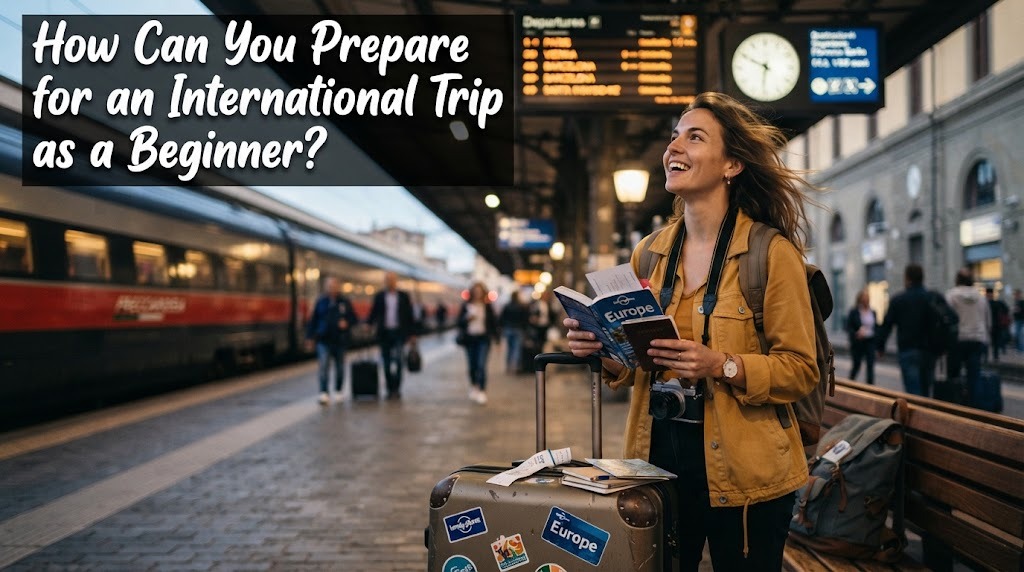
Traveling to another country for the first time can feel exciting but also confusing. Beginners need to prepare important documents, money, transportation, accommodation, and daily plans before leaving. Good preparation can reduce unexpected problems and make the trip more comfortable. It also helps travelers feel more confident when dealing with different languages, cultures, and travel rules.
CHOOSE YOUR DESTINATION AND TRAVEL DATES
Start by choosing a country that matches your budget, interests, and travel experience. Check the best time to visit because weather, holidays, and tourist seasons can affect prices and crowd levels. Beginners should also consider how easy it is to find transportation and accommodation at the destination. Make sure the planned travel dates give you enough time to prepare everything properly.
It is also useful to research basic information about the destination before booking anything. Learn about the local currency, language, transportation system, and common customs. This simple research can help you avoid confusion when you arrive. A clear destination and travel schedule will make the rest of your preparation easier.
PREPARE YOUR PASSPORT AND TRAVEL DOCUMENTS
A valid passport is one of the most important documents for an international trip. Check the passport validity requirements of your destination because some countries require several months of validity beyond the planned arrival date. Depending on your nationality and destination, you may also need a visa or an electronic travel authorization. Always check the current requirements through official government or embassy sources before traveling.
Keep digital and physical copies of important documents such as your passport, visa, flight tickets, hotel reservations, and travel insurance information. Store the copies separately from the original documents. Having backups can be helpful if an important document is lost or damaged. Make sure your personal information is accurate on every booking.
CREATE A REALISTIC TRAVEL BUDGET
Prepare a budget that covers flights, accommodation, food, transportation, entrance fees, shopping, and other activities. Do not calculate only the main travel costs because small daily expenses can add up quickly. Set aside extra money for emergencies, unexpected transportation costs, or changes to your plans. A realistic budget helps you enjoy the trip without creating unnecessary financial stress.
Before departure, check how you will make payments in the destination country. Carry a reasonable amount of local currency while also having a reliable payment method such as a debit or credit card. Inform your bank when necessary to reduce the risk of payment problems abroad. Keep your money and cards in separate secure places during the trip.
BOOK FLIGHTS AND ACCOMMODATION CAREFULLY
Compare flight schedules, baggage rules, airport locations, and total prices before making a reservation. The cheapest ticket is not always the most convenient option if it has difficult connections or expensive additional fees. For accommodation, consider location, transportation access, reviews, cancellation policies, and included facilities. A convenient location can save both time and transportation costs.
Beginners should keep copies of all booking confirmations. Check the arrival time and accommodation check in rules before departure. If your flight arrives late at night, confirm that the accommodation can accept late arrivals. These small details can prevent problems after a long journey.
LEARN ABOUT LOCAL RULES AND CULTURE
Every country has different laws, customs, and social expectations. Learn basic information about appropriate clothing, public behavior, photography rules, tipping practices, and local etiquette. Some actions that are normal in your home country may be considered inappropriate or restricted elsewhere. Understanding these differences shows respect and can help you avoid unnecessary problems.
It is also helpful to learn a few common phrases in the local language. Simple expressions such as hello, thank you, excuse me, and where is the restroom can make daily communication easier. Translation applications can provide additional support when communication becomes difficult. However, travelers should not depend entirely on technology, especially when internet access is unavailable.
PLAN TRANSPORTATION AND DAILY ACTIVITIES
Research how you will travel from the airport to your accommodation before leaving home. Check whether the destination mainly uses trains, buses, taxis, ride sharing services, or other transportation options. Save important station names, addresses, and routes so you can access them easily. Having a basic transportation plan is especially useful when arriving in an unfamiliar country.
Create a simple itinerary instead of filling every hour with activities. Group attractions that are close to each other to reduce unnecessary travel time. Leave enough space for meals, rest, unexpected delays, and changes in plans. A flexible itinerary allows beginners to enjoy the trip without feeling pressured by a strict schedule.
PREPARE INTERNET ACCESS AND ESSENTIAL ITEMS
Reliable internet can make international travel much easier. Research whether your destination supports international roaming, travel eSIMs, or local SIM cards. Download offline maps, translation tools, hotel information, and important travel documents before departure. This preparation is useful when you cannot immediately access mobile data.
Pack essential items according to the destination and length of your trip. These may include appropriate clothing, medicines you normally use, chargers, power adapters, toiletries, and important documents. Check the destination country's electrical plug type and baggage restrictions before packing. Avoid bringing unnecessary items because lighter luggage is usually easier to manage.
PRIORITIZE SAFETY DURING THE TRIP
Keep your passport, money, cards, and electronic devices secure while traveling. Be careful in crowded places because tourists can sometimes become targets for theft or scams. Save emergency contact numbers and the address of your accommodation in an easily accessible place. It is also wise to share your basic itinerary with someone you trust at home.
Pay attention to official travel information and local instructions during your stay. Avoid entering restricted areas or ignoring local laws simply because they are unfamiliar. If an unexpected problem occurs, stay calm and contact the appropriate local authority, accommodation staff, airline, or embassy when necessary. Good safety habits can make your first international trip more comfortable and manageable.
CONCLUSION
Preparing for an international trip as a beginner does not have to be complicated. Start with a suitable destination, prepare valid travel documents, create a realistic budget, and book transportation and accommodation carefully. Learning about local rules, planning basic activities, preparing internet access, and protecting important belongings are also essential steps. With careful preparation and a flexible mindset, beginners can enjoy an international trip with greater confidence.
About the Author
Gusti Ayu Tita P
Author — STEKOM University
An active author focused on academic issues, educational technology, and human resource development in the campus environment.















