
How Can You Set a Budget for a Cheap and Enjoyable Vacation?
Gusti Ayu Tita P
17 September 2026
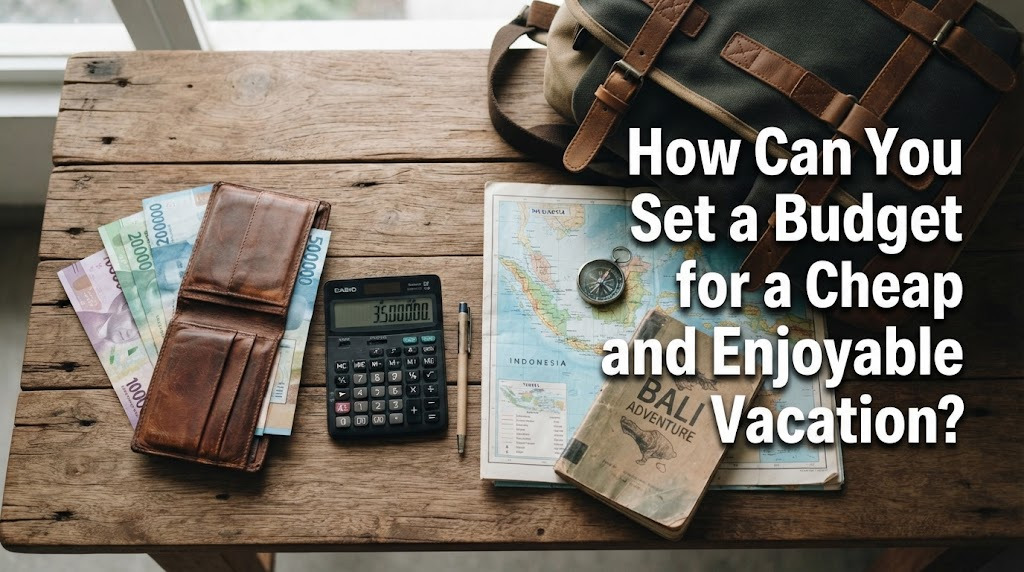
Setting a clear budget is one of the most important steps when planning a vacation. A well-prepared budget helps travelers enjoy their trip without spending more money than they can afford. Cheap vacation planning does not mean removing everything enjoyable from the trip. Instead, it means deciding how to use available money wisely while still making room for meaningful experiences.
A good vacation budget should include essential expenses and a small amount for unexpected situations. Transportation, accommodation, food, activities, and personal spending should all be considered before the trip begins. When travelers know their financial limits, they can choose destinations and activities that match their situation. This makes the vacation more relaxing because there is less concern about uncontrolled spending.
DETERMINE HOW MUCH MONEY YOU CAN SPEND
The first step is to determine the maximum amount of money available for the vacation. Travelers should consider their regular financial responsibilities before setting a travel budget. Money needed for education, bills, food, or other important expenses should not be used simply to increase the vacation budget. A realistic budget should be based on money that can actually be spent without creating financial problems afterward.
Once the maximum amount is known, travelers can divide it into different categories. This creates a clear spending structure before any reservations are made. If the available budget is limited, travelers can choose a shorter trip or a destination closer to home. Adjusting the travel plan to match the budget is more practical than trying to increase spending beyond what is affordable.
LIST ALL MAJOR VACATION EXPENSES
Travelers should identify the major expenses before deciding how much money to allocate to each category. Common expenses include transportation, accommodation, food, activities, entrance fees, and local transportation. Listing these costs makes it easier to estimate the actual price of the vacation.
It is also important to consider smaller expenses that are easy to overlook. Parking fees, baggage charges, snacks, internet access, tips, and souvenirs can gradually increase the total cost. Writing down these possible expenses helps prevent unpleasant surprises. A detailed travel budget gives travelers a better understanding of where their money will go.
PRIORITIZE ESSENTIAL EXPENSES
Not every vacation expense has the same level of importance. Transportation and accommodation may be essential, while certain entertainment activities or shopping expenses may be optional. Travelers should identify the expenses that are necessary before allocating money to additional activities. Prioritizing essential costs helps protect the most important parts of the trip.
After essential expenses have been covered, travelers can decide how much money remains for entertainment and personal purchases. This approach does not mean avoiding fun activities. Instead, it helps travelers choose activities that provide the most value within their available budget. A smaller number of meaningful activities may be better than spending money on everything available.
SET A DAILY SPENDING LIMIT
A daily spending limit can make it easier to control expenses during the vacation. Travelers can estimate how much they need for food, local transportation, and activities each day. Daily budgeting prevents travelers from spending too much during the first few days and having very little money remaining later.
The daily limit does not have to be exactly the same every day. Some days may involve expensive activities, while other days can focus on free attractions or relaxing at the accommodation. Travelers can adjust their spending according to their itinerary while keeping the overall budget in mind. This provides flexibility without losing control of expenses.
SAVE MONEY ON TRANSPORTATION AND ACCOMMODATION
Transportation and accommodation often represent a large portion of a vacation budget. Travelers can reduce these expenses by comparing prices, choosing suitable travel dates, and considering different transportation options. Budget accommodation can also be a practical choice when travelers mainly need a clean, safe, and comfortable place to sleep.
Travelers should compare the total cost rather than simply choosing the cheapest advertised price. A cheap hotel located far from attractions may create higher transportation expenses. Similarly, a low-cost transportation ticket may include additional fees. Looking at the complete cost helps travelers make smarter budget travel decisions.
CHOOSE AFFORDABLE FOOD AND ACTIVITIES
Food and entertainment can be adjusted according to the available budget. Travelers can try local food, traditional markets, small restaurants, or other affordable dining options instead of eating at expensive restaurants for every meal. Preparing snacks or choosing accommodation with basic kitchen facilities can also help control food expenses.
Activities can be selected based on personal interests and price. Travelers can combine paid attractions with free activities such as walking around local areas, visiting public parks, enjoying natural scenery, or exploring cultural spaces. This approach allows travelers to experience the destination without spending money on every activity.
KEEP AN EMERGENCY FUND
An emergency fund is an important part of a responsible vacation budget. Unexpected situations can happen, such as transportation changes, minor emergencies, lost belongings, or additional accommodation needs. Travelers should reserve part of their available money instead of planning to spend every amount on activities.
The emergency fund should be treated as money for unexpected needs rather than ordinary shopping. Financial preparation can make travelers feel more secure during the journey. If the emergency fund is not needed, the remaining money can stay saved rather than being spent simply because it is available.
CONCLUSION
Setting a budget for a cheap and enjoyable vacation requires realistic planning, expense tracking, and smart priorities. Travelers can start by determining how much they can afford, listing major expenses, setting daily limits, and keeping an emergency fund. Saving money on transportation, accommodation, food, and activities can create more room for experiences that genuinely matter. With a well-planned vacation budget, travelers can enjoy their trip while keeping their spending under control.
About the Author
Gusti Ayu Tita P
Author — STEKOM University
An active author focused on academic issues, educational technology, and human resource development in the campus environment.















