How Can You Share Personal Information Wisely on the Internet?
Gusti Ayu Tita P
18 September 2026
The internet makes it easy to communicate, create accounts, shop, study, and connect with other people. However, sharing too much personal information can create privacy and security risks. Information such as names, locations, photos, contact details, and account information may become accessible to people who should not have it. Learning how to share personal information wisely can help people enjoy the internet while protecting their privacy.
WHY IS IT IMPORTANT TO BE CAREFUL WITH PERSONAL INFORMATION?
Personal information can reveal important details about a person's identity, activities, relationships, and daily life. Information such as a full name, phone number, address, school, workplace, or date of birth may seem harmless when shared individually. However, several details can be combined to create a more complete profile of a person. Protecting personal information can therefore reduce unnecessary privacy and security risks.
Careful sharing is especially important because information posted online can be copied, saved, or shared by other people. Even if a post is later deleted, someone may already have taken a screenshot or saved the content. This means users should think about the possible consequences before publishing information. Online privacy begins with responsible sharing habits.
WHAT PERSONAL INFORMATION SHOULD YOU AVOID SHARING PUBLICLY?
People should avoid publicly sharing highly sensitive information such as passwords, verification codes, banking details, identification numbers, and private documents. Exact home addresses and detailed information about daily routines should also be shared carefully. Photos of tickets, identification cards, or documents may accidentally reveal information that can be misused. Keeping these details private can help reduce identity theft and online security risks.
Not every personal detail needs to be completely secret, but users should consider who actually needs to know it. For example, sharing a general interest or hobby may be relatively low risk, while publishing an account password is extremely sensitive. Before posting, ask whether the information is necessary and whether it could be misused. The more sensitive the information, the more carefully it should be protected.
HOW CAN YOU CHECK INFORMATION BEFORE SHARING IT?
Before sharing personal information, consider the purpose, audience, and possible consequences. Ask yourself why you want to share the information and who will be able to see it. If the information is not necessary for the purpose, it may be better to leave it private. This simple habit can prevent many forms of unnecessary oversharing.
Users should also check whether a website, application, or person requesting the information is trustworthy. Look for secure and legitimate services, especially when providing sensitive details. Do not provide information simply because a message creates urgency or pressure. Taking a moment to verify a request can prevent careless disclosure.
HOW CAN SOCIAL MEDIA USERS PROTECT THEIR PRIVACY?
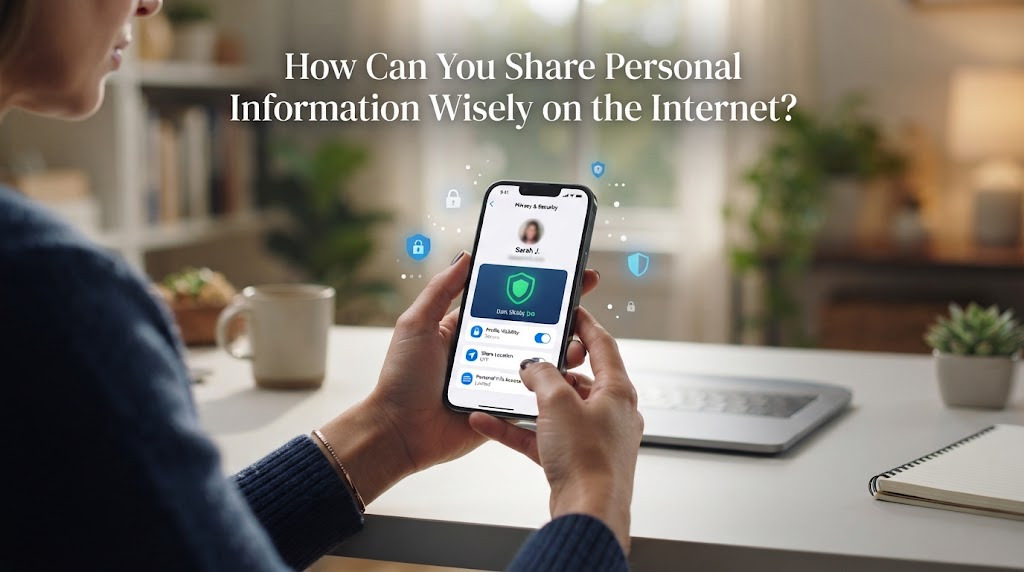
Social media users can protect their privacy by reviewing their privacy settings and controlling who can see their posts and profile information. It is useful to check follower lists, tagged posts, location settings, and information displayed in the profile. Users should also avoid accepting connection requests from people they do not know or trust. These steps can reduce the amount of personal information available to strangers.
Users should be especially careful when posting photos and videos. Images may reveal school names, workplace locations, house numbers, travel plans, or other details in the background. Before posting, review the entire image instead of focusing only on the main subject. Small details in photos can sometimes reveal more information than expected.
WHY SHOULD YOU AVOID SHARING LOCATION AND DAILY ROUTINES?
Location information can reveal where a person lives, studies, works, travels, or spends time regularly. Posting a precise location in real time may allow unknown people to understand where someone currently is. Information about daily routines can also reveal predictable patterns. For this reason, location privacy should be considered before posting online.
A safer approach is to avoid sharing exact locations publicly unless there is a clear reason to do so. People can also consider sharing travel experiences after leaving a location rather than posting their exact location while they are still there. This does not eliminate every risk, but it reduces unnecessary real-time exposure. Being less specific about locations can strengthen online privacy.
HOW CAN YOU SHARE INFORMATION WITHOUT OVERSHARING?
Sharing wisely does not mean avoiding the internet completely. Instead, it means choosing information carefully and considering whether the audience really needs to know it. Personal stories, opinions, and experiences can still be shared without including sensitive details about yourself or other people. Healthy online communication requires a balance between self-expression and privacy.
Before posting, consider whether you would be comfortable if the information were seen by a wider audience than expected. Avoid sharing private information about family members, friends, coworkers, or classmates without their permission. If information could cause embarrassment, financial problems, security concerns, or unwanted attention, consider keeping it private. Developing this habit can help reduce oversharing online.
CONCLUSION
Sharing personal information wisely on the internet requires awareness, caution, and good privacy habits. Users should avoid publicly sharing sensitive information, check requests before responding, review social media privacy settings, and be careful with locations and daily routines. Thinking before posting can help prevent unnecessary exposure and reduce online security risks. By sharing only what is necessary with the right audience, people can communicate online while maintaining stronger control over their personal information.
About the Author
Gusti Ayu Tita P
Author — STEKOM University
An active author focused on academic issues, educational technology, and human resource development in the campus environment.