How Can You Stay Safe During Marine Activities?
Gusti Ayu Tita P
23 September 2026
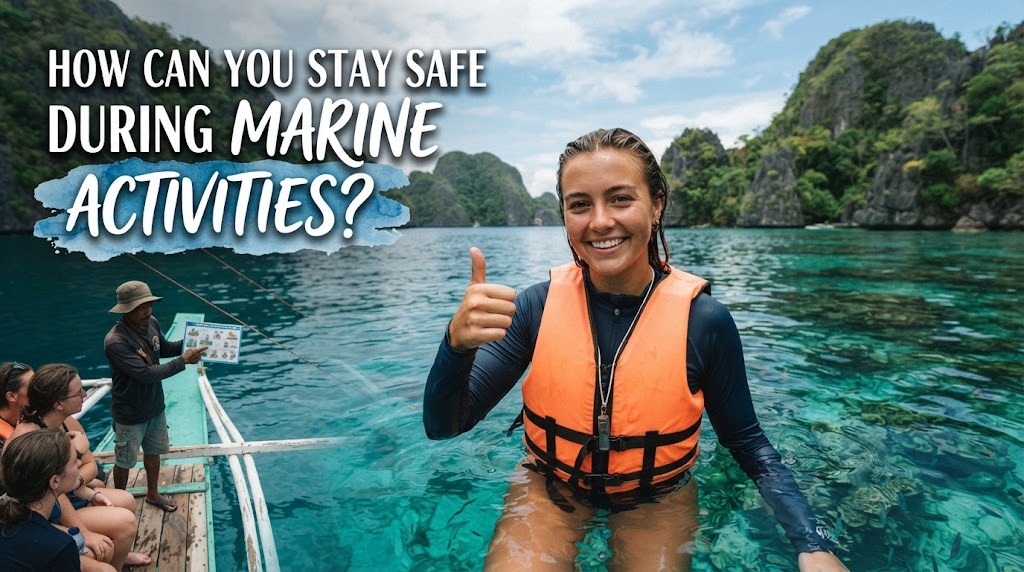
Marine activities can provide exciting experiences, from swimming and snorkeling to diving, kayaking, and boat trips. However, the ocean can also have strong waves, currents, changing weather, and other natural risks. Understanding basic safety practices can help travelers enjoy these activities more comfortably. Good preparation is important for both beginners and experienced travelers.
CHECK WEATHER AND SEA CONDITIONS
Before starting any marine activity, always check the weather forecast and sea conditions. Strong winds, high waves, storms, and poor visibility can make activities more dangerous. Conditions can change quickly, so travelers should continue monitoring local updates during the trip. If authorities or experienced local operators recommend avoiding the water, follow their advice.
The conditions should also match the planned activity. Calm water may be suitable for beginners, while strong currents can create difficulties even for experienced swimmers. Avoid entering the water when conditions are beyond your ability. Choosing the right conditions is one of the most important steps for marine safety.
USE PROPER SAFETY EQUIPMENT
Using appropriate equipment can significantly improve safety during marine activities. Swimmers and participants in suitable water activities may need life jackets, flotation devices, helmets, or other protective equipment depending on the activity. Equipment should be checked before use to make sure it is in good condition. It should also fit properly and be used according to the instructions.
For snorkeling or diving, masks, fins, regulators, buoyancy equipment, and other gear should be inspected carefully. Beginners should learn how to use unfamiliar equipment before entering the water. Do not use damaged or poorly maintained equipment. Proper safety equipment can provide important protection during unexpected situations.
KNOW YOUR LIMITS
Understanding your physical ability and experience level is essential when participating in marine activities. Beginners should start with simple activities in suitable areas instead of immediately attempting difficult challenges. Swimming ability does not automatically mean someone is prepared for strong currents, deep water, or technical diving. Travelers should choose activities that match their skills.
Fatigue can also increase the risk of accidents. Take regular breaks and return to shore or a safe location when you feel tired, cold, dizzy, or uncomfortable. Never feel pressured to continue an activity just because other people are doing it. Knowing when to stop is an important part of staying safe.
FOLLOW PROFESSIONAL GUIDANCE
Professional guides, lifeguards, and trained instructors can provide valuable information about local marine conditions. Listen carefully to safety instructions and emergency procedures before starting an activity. Guides may know about currents, tides, dangerous areas, weather changes, and local wildlife. Their knowledge can help participants avoid unnecessary risks.
Beginners should not hesitate to ask questions when they do not understand an instruction. During diving, kayaking, or guided boat trips, stay with the group and follow the agreed route when required. Do not ignore warnings or enter restricted areas. Following professional guidance can make marine activities safer and more organized.
STAY WITH YOUR GROUP
Avoid participating in marine activities alone whenever possible. Staying with a buddy or organized group makes it easier to receive help if something unexpected happens. Before entering the water, tell someone where you are going and when you expect to return. Keep communication devices protected from water when they are needed for emergencies.
During group activities, maintain awareness of the people around you. Do not move too far away from the designated area or separate from the group without informing the guide. If someone in the group experiences a problem, alert the appropriate person immediately. Good communication can be extremely useful during an emergency.
PROTECT YOURSELF FROM THE SUN
Spending several hours near the ocean can increase exposure to sunlight. Use broad-spectrum sunscreen, wear protective clothing, and consider using a hat or other sun protection when appropriate. Reapply sunscreen according to the product instructions, especially after swimming or heavy sweating. Staying in shaded areas during periods of strong sunlight can also help.
Travelers should drink enough water throughout the activity. Dehydration can cause tiredness, dizziness, and reduced concentration. Avoid waiting until you feel very thirsty before drinking. Sun protection and hydration help maintain comfort and energy during marine activities.
RESPECT MARINE WILDLIFE
Marine environments contain many animals that should be observed responsibly. Keep a safe distance from marine wildlife and never intentionally chase, touch, or disturb animals. Some species can react defensively when they feel threatened. Following local wildlife guidelines can protect both visitors and animals.
Travelers should also avoid touching coral reefs or collecting marine organisms. Coral can be damaged easily, and removing natural objects can affect the ecosystem. Responsible behavior allows others to enjoy the same environment in the future. Respecting marine life is an important part of safe and sustainable tourism.
KNOW BASIC EMERGENCY PROCEDURES
Travelers should understand what to do if an emergency occurs. Before starting an activity, learn the location of lifeguards, emergency contacts, exits, and nearby medical facilities when possible. If you are traveling by boat, pay attention to the safety briefing and know where emergency equipment is located. Staying calm can help you respond more effectively.
If someone is in serious danger, contact local emergency services or trained personnel instead of attempting a rescue beyond your ability. Do not enter dangerous water if you are not trained to perform a rescue. Follow instructions from professionals and provide clear information about the situation. Knowing emergency procedures can help reduce confusion during unexpected events.
CONCLUSION
Staying safe during marine activities requires preparation, awareness, and responsible decisions. Travelers should check weather and sea conditions, use proper equipment, know their limits, follow professional guidance, and stay with their group. Sun protection, hydration, and respect for marine wildlife are also important. Learning basic emergency procedures can provide additional protection when unexpected situations occur. By making safety a priority, travelers can enjoy marine activities with greater confidence and comfort.
About the Author
Gusti Ayu Tita P
Author — STEKOM University
An active author focused on academic issues, educational technology, and human resource development in the campus environment.