How Can You Use LinkedIn to Build a Professional Network?
Gusti Ayu Tita P
26 September 2026
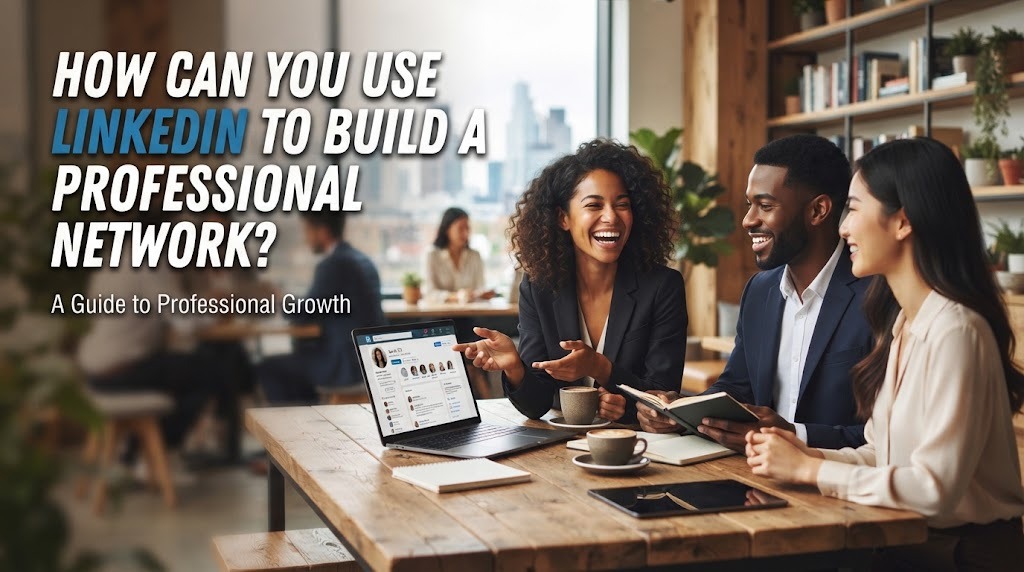
LinkedIn is a professional platform that can help people connect with others in their industry and discover career-related information. A well-managed LinkedIn profile can show skills, education, experience, projects, and professional interests. The platform can also help students, job seekers, and professionals communicate with recruiters and industry professionals. However, simply creating an account is not enough to build a useful network. Effective LinkedIn networking requires a clear profile, meaningful interactions, and consistent professional communication.
CREATE A COMPLETE PROFESSIONAL PROFILE
The first step in using LinkedIn effectively is creating a profile that clearly represents your professional background. Include relevant information such as education, work experience, skills, certifications, projects, and career interests. Use a professional profile photo and write a short summary that explains your background and goals. Accurate information can make it easier for other professionals to understand your capabilities.
Your profile should also use clear and relevant language. If you are looking for a specific type of position, mention relevant skills and areas of interest without making unrealistic claims. Adding examples of projects or achievements can provide evidence of your abilities. A complete professional profile can create a stronger foundation for building meaningful connections.
CONNECT WITH RELEVANT PROFESSIONALS
LinkedIn allows users to connect with people from many different industries and career backgrounds. You can start by connecting with classmates, lecturers, alumni, colleagues, recruiters, industry professionals, and former coworkers. Choose connections that are relevant to your career interests rather than focusing only on the number of contacts.
When sending a connection request, a short personalized message can make communication more professional. You can mention a shared educational background, professional interest, event, or industry topic. Avoid immediately asking for a job when contacting someone you have never met. Respectful introductions can create a better starting point for future professional relationships.
SHARE USEFUL PROFESSIONAL CONTENT
Sharing relevant content can help demonstrate your knowledge and professional interests. You can post about academic projects, work experiences, industry information, certifications, lessons learned, or professional achievements. Content does not need to be complicated to be useful. Clear and informative posts can help other people understand your interests and areas of expertise.
Before posting, check that the information is accurate and appropriate for a professional environment. Avoid sharing confidential workplace information or making unsupported claims. You can also comment thoughtfully on posts created by professionals in your field. Meaningful engagement can increase opportunities for professional conversations and learning.
JOIN INDUSTRY CONVERSATIONS
LinkedIn networking is not limited to adding connections. Users can participate in discussions by commenting on relevant posts, asking questions, and sharing useful perspectives. Following companies, industry leaders, professional organizations, and career-related topics can help users stay informed. These activities can expose you to industry trends, job information, professional advice, and new ideas.
When participating in discussions, maintain a respectful and constructive tone. Avoid posting comments only to promote yourself or repeatedly asking people for opportunities. Instead, contribute information that is relevant to the discussion. Over time, consistent participation can help establish a professional online presence.
MAINTAIN YOUR NETWORK CONSISTENTLY
Building a professional network is an ongoing process. After connecting with someone, you can maintain the relationship by responding to messages, congratulating professional achievements, or sharing relevant information. You do not need to contact every connection frequently. The goal is to maintain genuine and useful professional relationships.
LinkedIn can also be used to learn about job opportunities and professional development. However, networking should not replace skill development and preparation. Continue improving your qualifications while using LinkedIn to communicate with people in your field. Consistent networking combined with strong skills can support long-term career development.
CONCLUSION
LinkedIn can be a useful tool for building a professional network when it is used strategically and responsibly. Creating a complete profile, connecting with relevant professionals, sharing useful content, and participating in industry discussions can strengthen your professional presence. Maintaining relationships over time is also important because networking is a long-term process. Users should focus on meaningful connections rather than simply collecting contacts. When combined with relevant skills and professional preparation, LinkedIn networking can support career development and access to new opportunities.
About the Author
Gusti Ayu Tita P
Author — STEKOM University
An active author focused on academic issues, educational technology, and human resource development in the campus environment.