
How Can Young People Preserve Independence Day Traditions?
Gusti Ayu Tita P
4 Agustus 2026
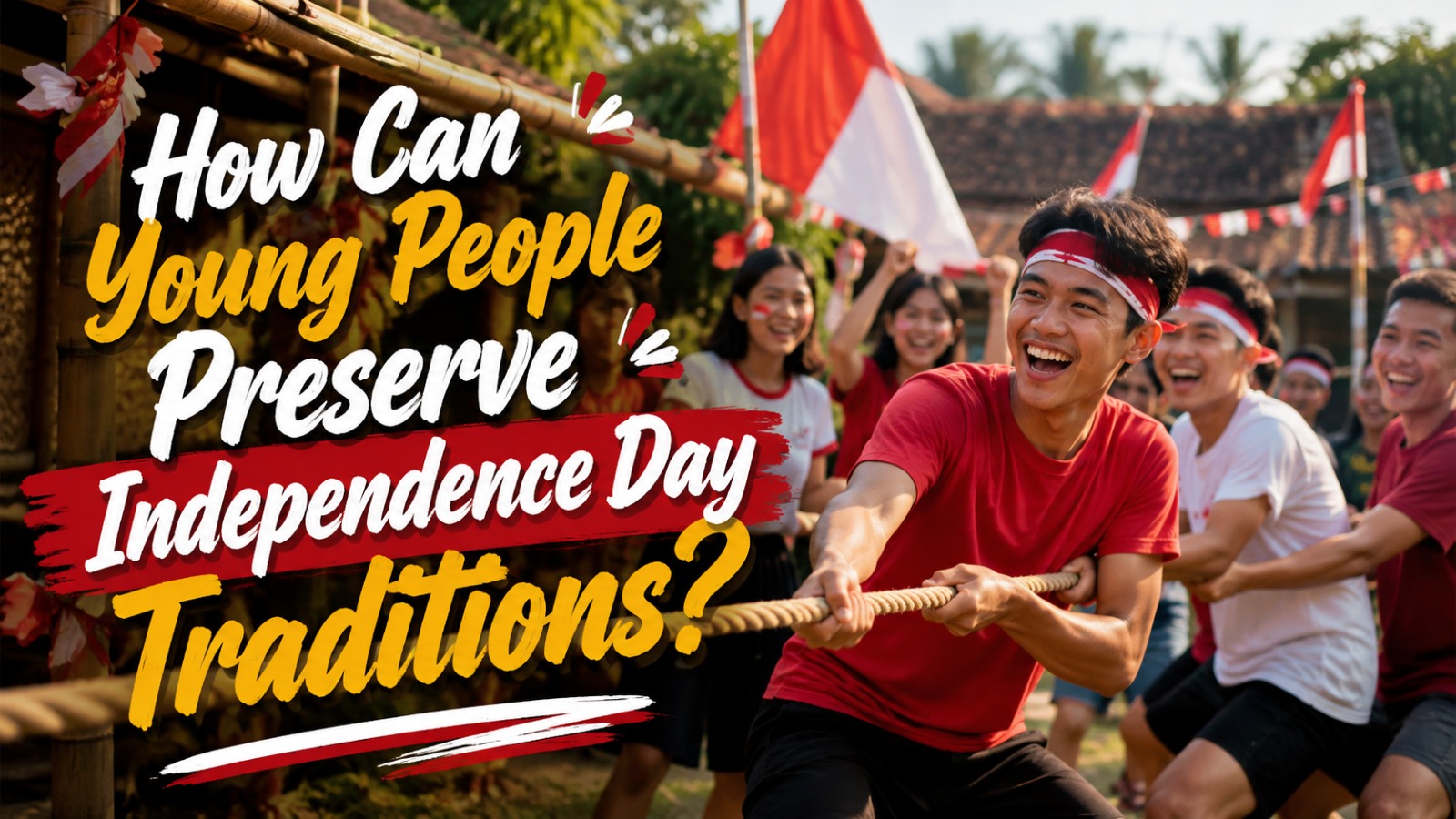
Independence Day is more than an annual celebration. It represents the struggles, sacrifices, and achievements that shaped a nation's freedom. For young people, preserving Independence Day traditions is an opportunity to understand history, strengthen national identity, and pass valuable cultural heritage to future generations. As modern lifestyles continue to evolve, young generations play a crucial role in ensuring these traditions remain meaningful and relevant.
WHY INDEPENDENCE DAY TRADITIONS MATTER
Independence Day traditions remind people of the importance of freedom and the sacrifices made by previous generations. Activities such as flag ceremonies, cultural performances, and community gatherings encourage people to appreciate the nation's history. These traditions also help build a stronger sense of belonging and national pride.
Young people benefit greatly from participating in these events because they learn valuable lessons about unity, respect, and responsibility. By understanding the meaning behind every tradition, they become more motivated to protect and continue them in the future. This awareness strengthens both individual character and community spirit.
LEARN THE HISTORY OF INDEPENDENCE
One of the best ways to preserve Independence Day traditions is by learning the history of independence. Reading books, watching documentaries, visiting museums, and listening to stories from older generations provide a deeper understanding of the nation's journey toward freedom. Historical knowledge helps young people appreciate why these traditions exist.
When history becomes meaningful, traditional celebrations become more than simple ceremonies. They become moments of reflection and gratitude. Young generations who understand history are more likely to inspire others to value and continue these important customs.
PARTICIPATE IN COMMUNITY CELEBRATIONS
Active participation is essential for keeping traditions alive. Young people can join flag ceremonies, neighborhood competitions, cultural festivals, charity events, and community service activities. These events encourage cooperation while creating enjoyable experiences for everyone involved.
Being actively involved also develops leadership, teamwork, and communication skills. Instead of being passive observers, young people become contributors who help organize events and motivate others to participate. Their enthusiasm can encourage wider community involvement every year.
USE DIGITAL MEDIA TO SHARE POSITIVE VALUES
Today's generation spends a significant amount of time online, making digital media an effective tool for preserving traditions. Young people can create educational videos, write blog articles, share historical facts, or post inspiring stories about Independence Day on social media platforms.
Positive online content reaches audiences quickly and encourages others to learn about national traditions. By combining creativity with accurate information, young people can make Independence Day celebrations more engaging while maintaining their original meaning. Responsible digital communication also helps prevent misinformation about historical events.
PROMOTE LOCAL CULTURE AND TRADITIONS
Every region has unique customs that enrich Independence Day celebrations. Young people can support local traditions by participating in traditional games, wearing cultural clothing, performing local dances, and promoting regional arts. These activities help preserve cultural diversity alongside national identity.
Supporting local traditions also strengthens connections between generations. Older community members can share their experiences, while younger participants introduce fresh ideas to make celebrations more attractive. This collaboration ensures that cultural heritage remains relevant in modern society.
ENCOURAGE FAMILY INVOLVEMENT
Families are the first place where traditions are introduced and practiced. Parents and grandparents can teach children about the importance of Independence Day through storytelling, family discussions, and participation in local celebrations. These experiences create lasting memories that strengthen family values.
Young people can take the initiative by inviting family members to attend ceremonies or organize simple Independence Day activities at home. Shared experiences make traditions more meaningful and encourage younger siblings to appreciate national celebrations from an early age.
ADAPT TRADITIONS WITHOUT LOSING THEIR MEANING
Modern technology and changing lifestyles do not have to replace traditional celebrations. Instead, they can enhance them while preserving their core values. Virtual educational events, online history quizzes, digital exhibitions, and creative competitions can complement traditional ceremonies.
The key is maintaining the true purpose of Independence Day: honoring freedom, remembering national heroes, and strengthening unity. Innovation should support tradition rather than replace it. By balancing modernization with historical values, young people can ensure these celebrations remain meaningful for future generations.
CONCLUSION
Young people have a vital responsibility in preserving Independence Day traditions for future generations. By learning history, participating in community activities, promoting local culture, involving families, and using digital media responsibly, they can keep these traditions alive and meaningful. Modern approaches can make celebrations more engaging without reducing their historical significance. When young generations embrace these values, Independence Day continues to inspire unity, patriotism, and national pride for years to come.
About the Author
Gusti Ayu Tita P
Author — STEKOM University
An active author focused on academic issues, educational technology, and human resource development in the campus environment.















