How Customs Protects National Borders and Trade Security?
Gusti Ayu Tita P
8 Agustus 2026
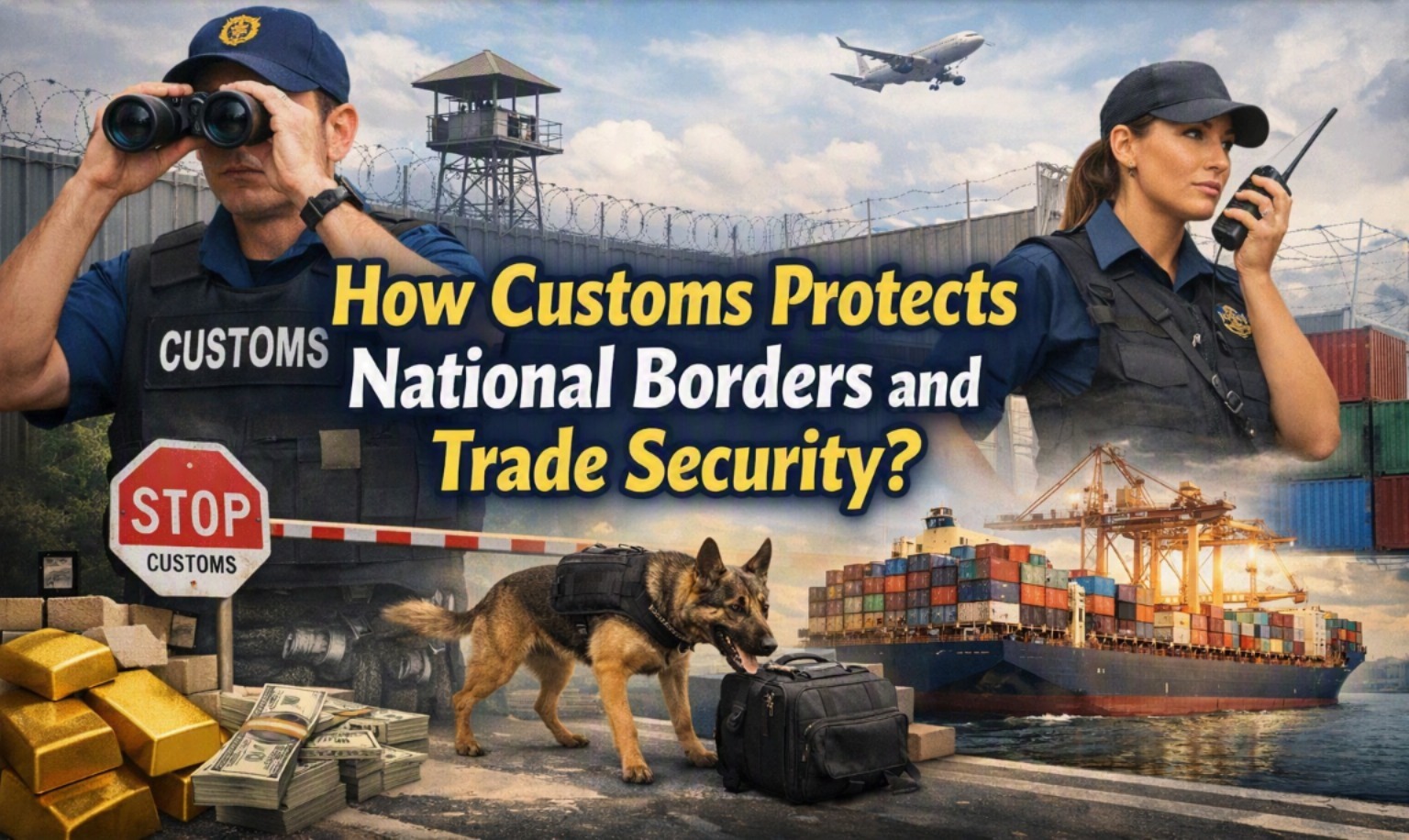
Customs plays an important role in protecting national borders, maintaining trade security, and supporting the legal movement of goods between countries. Every day, customs authorities monitor goods, travelers, and shipments entering or leaving a country. Their work helps prevent illegal activities while ensuring that legitimate international trade can continue efficiently. Customs also collects duties and taxes that contribute to national revenue. Through modern technology, inspections, and cooperation with other authorities, customs can respond to increasingly complex border risks.
MONITORING GOODS AT NATIONAL BORDERS
One of the main responsibilities of customs is to monitor goods entering and leaving a country. Customs officers check import and export declarations to determine whether shipments comply with applicable laws and regulations. They may inspect documents, examine cargo, or use risk assessment systems to identify shipments that require further attention. This process helps detect prohibited and restricted goods before they enter or leave the country. Effective monitoring also ensures that businesses follow trade requirements and provide accurate information about their shipments.
Customs does not necessarily inspect every shipment physically because international trade involves a large volume of goods. Instead, many customs administrations use risk management to focus inspections on shipments that present higher risks. Information such as the type of goods, country of origin, declared value, and trading history can help authorities determine the appropriate level of inspection. This approach allows customs to maintain security without creating unnecessary delays for legitimate businesses.
PREVENTING ILLEGAL TRADE AND SMUGGLING
Customs helps protect national borders by preventing smuggling and illegal trade. Criminal networks may attempt to move prohibited goods, counterfeit products, undeclared merchandise, or other illegally traded items across borders. Customs officers use inspections, intelligence, scanning equipment, and information sharing to identify suspicious shipments. When violations are discovered, customs can take enforcement measures according to national laws. These actions help protect communities, businesses, and the national economy from the effects of illegal trade.
The fight against illegal trade often requires cooperation beyond customs itself. Customs authorities may work with police, immigration agencies, port authorities, and international organizations to exchange information and coordinate enforcement activities. Cooperation is especially important when illegal activities involve multiple countries or complex supply chains. Strong coordination makes it more difficult for criminals to exploit gaps between different border systems. It also improves the ability of authorities to respond quickly to emerging threats.
PROTECTING LEGAL INTERNATIONAL TRADE
Border security is not only about stopping illegal activities but also about protecting legitimate international trade. Customs helps create a predictable trading environment by applying customs rules consistently and processing shipments according to established procedures. Efficient customs clearance can reduce unnecessary delays and help businesses move products across borders more smoothly. This is particularly important for companies that depend on international supply chains. When trade procedures are reliable, businesses can plan transportation, inventory, and deliveries more effectively.
Customs administrations increasingly use digital systems to simplify declarations and clearance procedures. Electronic documents, automated processing, and online customs services can reduce paperwork and improve the accuracy of trade information. These technologies also allow authorities to process large volumes of shipments more efficiently. At the same time, digital systems can strengthen security by making it easier to analyze trade data and identify unusual patterns. The combination of facilitation and security helps support a safer international trading environment.
COLLECTING CUSTOMS DUTIES AND PROTECTING REVENUE
Another important customs function is collecting customs duties and taxes on imported goods when required by national regulations. Accurate classification, valuation, and origin information can help determine the correct amount of duties and other applicable charges. Proper revenue collection supports public finances and helps create fair competition between businesses. Without effective customs controls, some traders may attempt to understate the value or misclassify goods to reduce their financial obligations. Customs enforcement helps reduce these risks and protect government revenue.
Revenue protection also contributes to a fairer trading system. Businesses that comply with customs requirements should not be placed at a disadvantage compared with traders who avoid their legal obligations. Customs can use audits, data analysis, inspections, and post-clearance controls to identify potential violations. These measures help authorities maintain compliance even after goods have been released. As a result, customs contributes not only to border security but also to economic protection and fair trade.
USING TECHNOLOGY FOR BORDER SECURITY
Modern customs authorities increasingly depend on technology and data to improve border protection. Cargo scanners can help officers examine shipments without opening every package, while automated systems can process information and identify potential risks. Data analysis can reveal unusual trading patterns that may require further investigation. Technologies such as electronic declarations and integrated databases can also improve communication between customs offices and other agencies. These tools make border management more efficient while supporting stronger security controls.
Technology, however, works best when combined with skilled personnel and clear procedures. Customs officers still need professional knowledge to interpret documents, evaluate risks, conduct inspections, and make enforcement decisions. Regular training helps officers understand new technologies, changing trade patterns, and emerging security threats. Authorities must also protect sensitive trade and personal information when using digital systems. A strong combination of technology, trained officers, and secure information management is essential for effective border protection.
COOPERATING WITH INTERNATIONAL PARTNERS
International trade connects countries through complex supply chains, making international cooperation essential for customs security. Goods may pass through several countries before reaching their final destination, while customs violations can involve businesses and individuals in different jurisdictions. Customs administrations can exchange information and cooperate on enforcement activities to address these cross-border risks. International standards and agreements also help countries develop more consistent customs procedures. This cooperation strengthens security while supporting the smooth movement of legitimate goods.
Customs cooperation can also improve the response to global threats such as fraud, counterfeit goods, and organized smuggling. Sharing relevant information allows authorities to identify risks that may not be visible from a single country's perspective. Joint operations and coordinated enforcement can help disrupt illegal supply chains. At the same time, cooperation supports faster and more predictable trade procedures for compliant businesses. Strong partnerships therefore benefit both border security and international commerce.
BALANCING SECURITY AND TRADE FACILITATION
Effective customs administration requires a careful balance between border security and trade facilitation. Excessive controls can create unnecessary delays and costs for legitimate businesses, while weak controls may increase the risk of illegal trade. Risk-based procedures allow customs authorities to concentrate resources where they are most needed. Trusted traders and compliant shipments may benefit from simplified procedures when permitted by national regulations. This approach helps customs protect borders without unnecessarily restricting international commerce.
A successful customs system should therefore be secure, efficient, transparent, and accountable. Clear regulations help traders understand their responsibilities and reduce confusion during customs procedures. Digital services can make processes faster, while risk management can improve the use of limited enforcement resources. Continuous cooperation between government agencies, customs authorities, and the private sector can further improve border management. By maintaining this balance, customs can support both national security and sustainable international trade.
WHY CUSTOMS SECURITY MATTERS FOR NATIONAL DEVELOPMENT?
Strong customs protection contributes directly to national security and economic development. Secure borders reduce opportunities for illegal trade while helping legitimate businesses access international markets. Effective customs procedures also support government revenue and encourage compliance with trade regulations. When businesses and the public trust border institutions, confidence in the trading system can increase. This makes customs an important part of a country's broader economic and security framework.
Customs protection is also important because global trade continues to evolve. New technologies, changing supply chains, and emerging forms of trade create new opportunities as well as new risks. Customs authorities must continually improve their systems, personnel, and cooperation networks to respond to these changes. By combining enforcement with efficient trade facilitation, customs can protect national interests without unnecessarily slowing legitimate commerce. Ultimately, strong customs security helps create safer borders, fairer trade, and a more resilient national economy.
CONCLUSION
Customs has a vital role in protecting national borders and trade security. Its responsibilities include monitoring goods, preventing smuggling, collecting duties, protecting government revenue, and supporting legitimate international trade. Modern customs systems combine risk management, technology, trained officers, and international cooperation to address complex border challenges. Effective customs protection also requires a balance between strong enforcement and efficient trade facilitation. By performing these functions effectively, customs helps protect society, strengthen economic stability, and maintain a secure international trading environment.
About the Author
Gusti Ayu Tita P
Author — STEKOM University
An active author focused on academic issues, educational technology, and human resource development in the campus environment.