
How Did the Proclamation of Independence Change Indonesian History?
Gusti Ayu Tita P
5 Agustus 2026
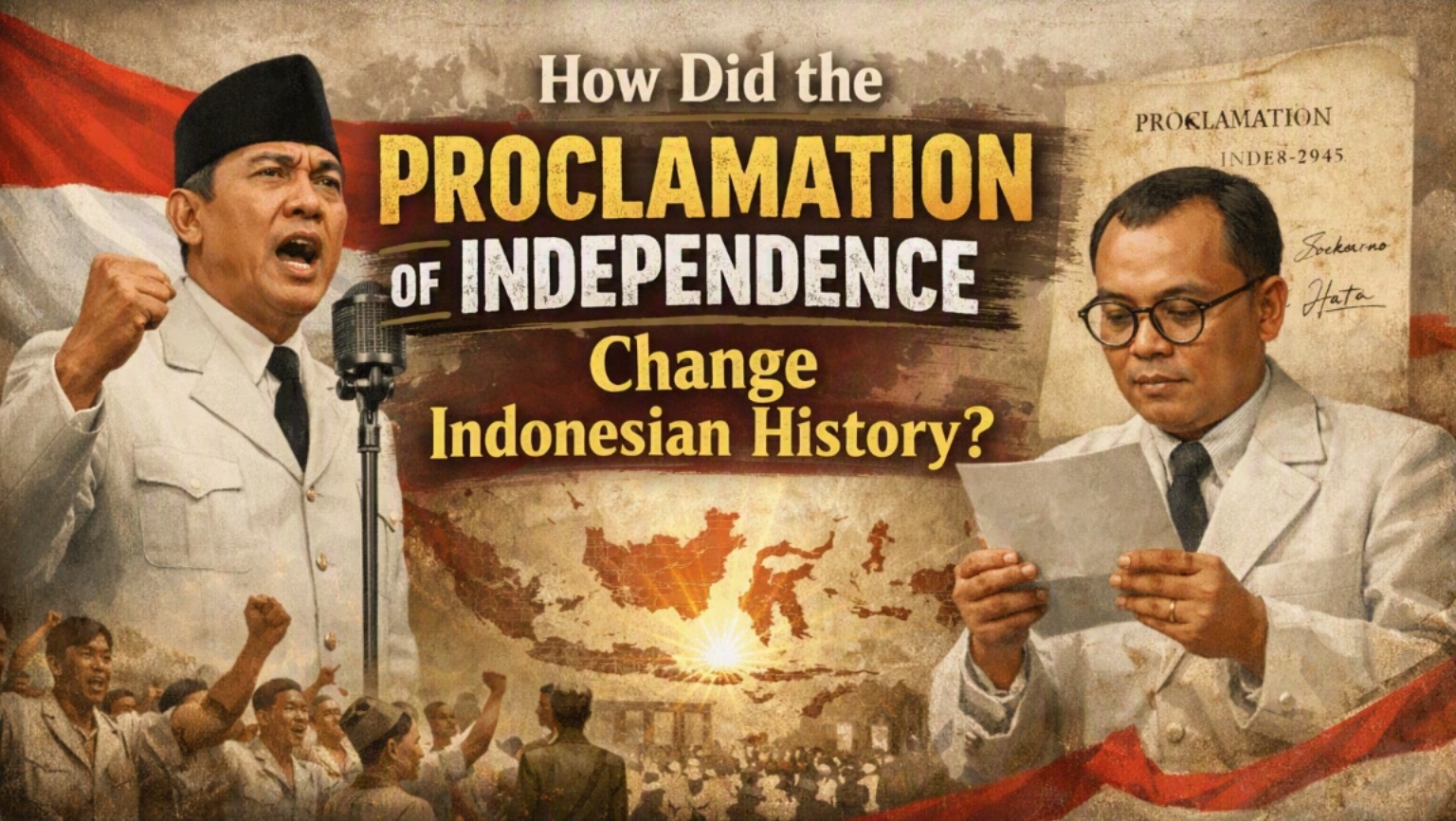
The Proclamation of Independence on August 17, 1945, marked one of the most significant turning points in Indonesian history. It officially declared Indonesia's freedom from colonial rule and became the foundation for building a sovereign nation. The proclamation was more than a political announcement because it inspired millions of Indonesians to unite in defending their independence. Today, it remains a symbol of national unity, freedom, and patriotism. Understanding its impact helps people appreciate how Indonesia developed into the country it is today.
THE BACKGROUND OF THE PROCLAMATION OF INDEPENDENCE
Before gaining independence, Indonesia experienced centuries of colonial domination, primarily under the Dutch, followed by Japanese occupation during World War II. These periods brought economic hardship, limited political freedom, and social challenges for the Indonesian people. At the same time, they also encouraged the growth of nationalism and the desire for self-government.
Indonesian leaders and young activists worked together to prepare for independence as Japan's power weakened in 1945. On August 17, 1945, Soekarno and Mohammad Hatta proclaimed Indonesia's independence in Jakarta. This historic declaration became the beginning of Indonesia's journey as an independent nation recognized through continued struggle and diplomacy.
WHY THE PROCLAMATION WAS A HISTORIC TURNING POINT?
The proclamation completely changed Indonesia's political direction by ending the idea that the country should remain under colonial control. It established the principle that Indonesia had the right to determine its own future. This declaration also strengthened the people's confidence in creating an independent government based on national interests.
Beyond politics, the proclamation united people from different islands, ethnic groups, languages, and religions. It encouraged citizens to protect their newly declared independence despite facing many challenges. The spirit of cooperation and sacrifice shown during this period became an essential part of Indonesia's national identity and continues to inspire future generations.
THE STRUGGLE TO DEFEND INDEPENDENCE
Although independence was declared in 1945, Indonesia still had to defend its sovereignty against attempts to restore colonial rule. Many battles occurred across the country, while diplomatic negotiations were also carried out to gain international recognition. Both military resistance and diplomacy played equally important roles in securing Indonesia's independence.
The determination of Indonesian leaders, soldiers, and ordinary citizens demonstrated remarkable courage and resilience. Their collective efforts eventually led to broader international acceptance of Indonesia as a sovereign state. This struggle showed that independence required not only a declaration but also continuous commitment and sacrifice.
THE IMPACT ON INDONESIA'S POLITICAL AND SOCIAL DEVELOPMENT
The proclamation became the legal and moral foundation for establishing Indonesia's government and national institutions. It encouraged the creation of a constitutional system, public administration, and democratic processes that continue to evolve today. The event also strengthened the importance of citizen participation in national development.
Socially, independence increased opportunities for education, cultural preservation, and national cooperation. Indonesians gained greater freedom to express their identity while promoting unity under the national motto of diversity. These developments helped shape a stronger sense of belonging and responsibility toward the nation's future.
THE LASTING LEGACY OF THE PROCLAMATION
The influence of the proclamation extends far beyond the events of 1945. Every year, Indonesians commemorate Independence Day to honor the sacrifices made by the nation's founders and freedom fighters. These celebrations remind citizens of the importance of protecting independence through responsibility, integrity, and unity.
The values introduced by the proclamation remain relevant in addressing modern challenges such as economic development, technological progress, and global cooperation. By remembering the nation's history, Indonesians can continue building a peaceful, democratic, and prosperous society. The proclamation therefore remains a lasting symbol of freedom, national identity, and hope for future generations.
CONCLUSION
The Proclamation of Independence fundamentally transformed Indonesian history by ending colonial rule and opening the path toward sovereignty. It united the people, inspired the struggle for international recognition, and laid the foundation for political, social, and economic development. Its values of unity, patriotism, freedom, and national responsibility continue to guide Indonesia today. Learning about this historic event helps everyone understand the importance of preserving independence and contributing to the nation's continued progress.
About the Author
Gusti Ayu Tita P
Author — STEKOM University
An active author focused on academic issues, educational technology, and human resource development in the campus environment.















