
How District Heads Build Stronger Communities?
Gusti Ayu Tita P
12 Agustus 2026
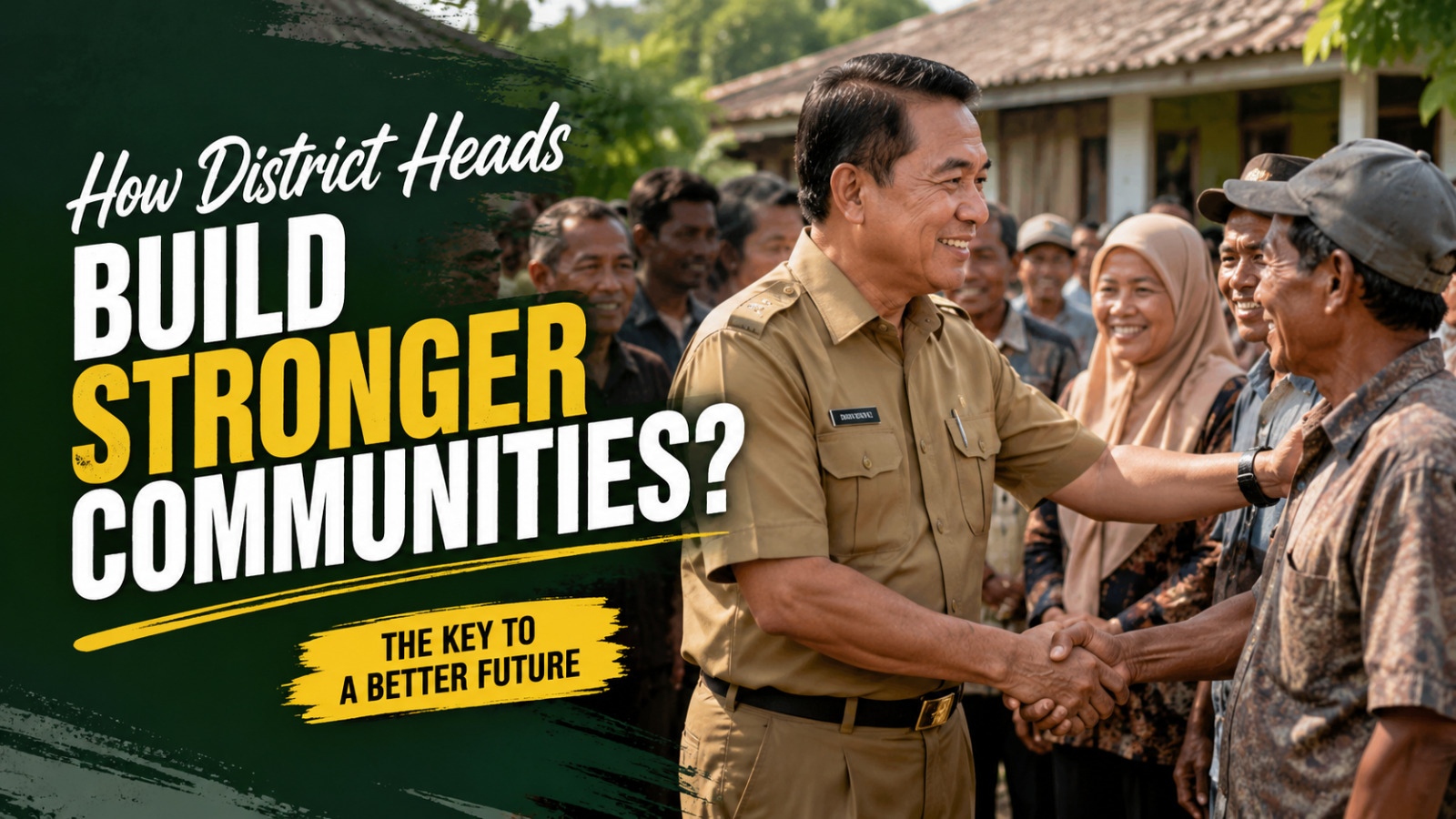
District heads play an important role in connecting local government with the people in their communities. They help coordinate public services, support development programs, and respond to local needs. Through effective leadership and cooperation, district heads can create communities that are more active, resilient, and well organized. Their work is not limited to administration because they also help encourage community participation and improve relationships between government and residents.
BUILDING STRONG COMMUNITY PARTICIPATION
One of the most effective ways district heads build stronger communities is by encouraging public participation. Residents need opportunities to express their concerns, suggestions, and expectations about local development. District heads can organize community meetings, public discussions, and consultation activities to understand these needs directly. When people feel that their opinions are heard, they are more likely to participate in programs and support government initiatives.
Strong participation also creates a sense of shared responsibility. Community members can contribute ideas, time, skills, or resources to activities that benefit their neighborhoods. District heads can work with community organizations, local leaders, youth groups, and other stakeholders to create inclusive programs. This cooperation helps develop stronger relationships between residents and local government.
IMPROVING LOCAL PUBLIC SERVICES
District heads can strengthen communities by helping ensure that public services respond to local conditions. They may coordinate with relevant government agencies to improve services related to administration, health, education, infrastructure, social assistance, and other community needs. Effective coordination can help identify service problems and encourage faster solutions. Good public services make daily life easier and can increase public trust in local government.
District heads can also encourage efficient administration by supporting clear procedures and responsive service delivery. Residents should know where to obtain information and how to submit complaints or requests. Regular evaluation can help local authorities identify areas that need improvement. When services become more accessible and responsive, communities can benefit from a more effective local government system.
SUPPORTING COMMUNITY DEVELOPMENT
Community development requires cooperation between government institutions and residents. District heads can help coordinate development programs based on the needs and potential of local communities. These programs may involve infrastructure, economic activities, environmental initiatives, education, or social development. By understanding local conditions, district heads can help ensure that development efforts provide practical benefits.
Successful development should also involve the people who will be affected by the programs. District heads can encourage residents to participate in planning, implementation, and evaluation. Community involvement makes development programs more relevant and sustainable. It can also encourage residents to take greater responsibility for maintaining the results of development activities.
STRENGTHENING COOPERATION WITH LOCAL LEADERS
District heads cannot build strong communities alone. They need to cooperate with village heads, community organizations, public institutions, and other local stakeholders. Each local leader has different responsibilities and knowledge about the conditions of their area. Cooperation allows information and resources to be coordinated more effectively.
Regular communication can prevent misunderstandings and improve the implementation of government programs. District heads can facilitate coordination meetings to discuss challenges, priorities, and possible solutions. This approach creates stronger networks among local leaders. As a result, government programs can become more coordinated and better connected to community needs.
EMPOWERING YOUTH AND COMMUNITY GROUPS
Young people are an important part of a strong and sustainable community. District heads can support youth participation by encouraging activities related to education, entrepreneurship, sports, culture, technology, and social service. Such activities can provide young people with opportunities to develop leadership and practical skills. They can also encourage younger generations to become more involved in solving local problems.
Community groups also have an important role in strengthening social connections. District heads can support cooperation with women's groups, social organizations, volunteer groups, and other community associations. These groups often understand local problems because they interact directly with residents. Supporting their activities can increase social cooperation and make community programs more inclusive.
RESPONDING TO COMMUNITY PROBLEMS
Strong communities need local leaders who can respond to problems effectively. District heads can help identify issues by communicating with residents and monitoring conditions in their districts. Problems such as inadequate infrastructure, social conflict, environmental concerns, or difficulties accessing services may require coordination between several institutions. District heads can help bring the relevant parties together to discuss appropriate solutions.
A responsive leader should also value transparency and communication. Residents need accurate information about government programs, policies, and solutions to local problems. Clear communication can reduce confusion and prevent misinformation from spreading. By maintaining an open relationship with the community, district heads can strengthen public confidence and cooperation.
ENCOURAGING A SAFE AND INCLUSIVE COMMUNITY
A strong community should provide a safe environment for different groups of residents. District heads can cooperate with relevant authorities and community leaders to support public order and social harmony. They can encourage dialogue when disagreements arise and promote peaceful cooperation among residents. Preventive communication can be especially useful for addressing problems before they become larger conflicts.
Inclusiveness is equally important because community development should benefit different groups of people. District heads can pay attention to the needs of vulnerable residents and encourage equal access to public programs. Inclusive governance helps ensure that development does not leave certain groups behind. This approach can create a stronger sense of belonging among community members.
USING DIGITAL TECHNOLOGY FOR COMMUNITY ENGAGEMENT
Technology provides new opportunities for district heads to communicate with residents. Digital platforms can be used to share government information, announce programs, collect feedback, and provide updates about public services. Online communication can make government information easier to access, particularly for residents who cannot attend meetings in person. However, digital services should complement rather than completely replace direct community engagement.
District heads can also encourage responsible use of technology within local government. Information should be accurate, understandable, and updated regularly. Feedback received through digital channels can help authorities identify community concerns more quickly. When used properly, digital governance can make local administration more accessible and responsive.
CONCLUSION
District heads have an important role in building stronger communities through participation, public services, development, cooperation, and responsive leadership. Their ability to coordinate with village leaders, government agencies, community organizations, and residents can make local programs more effective. Supporting youth, empowering community groups, improving communication, and responding to local problems can further strengthen social relationships.
Ultimately, strong communities are created through cooperation between local government and citizens. District heads can provide leadership and coordination, while residents contribute ideas, participation, and shared responsibility. When both sides work together consistently, local communities can become more resilient, inclusive, and capable of achieving sustainable development.
About the Author
Gusti Ayu Tita P
Author — STEKOM University
An active author focused on academic issues, educational technology, and human resource development in the campus environment.















