
How District Heads Support Community Development?
Gusti Ayu Tita P
12 Agustus 2026
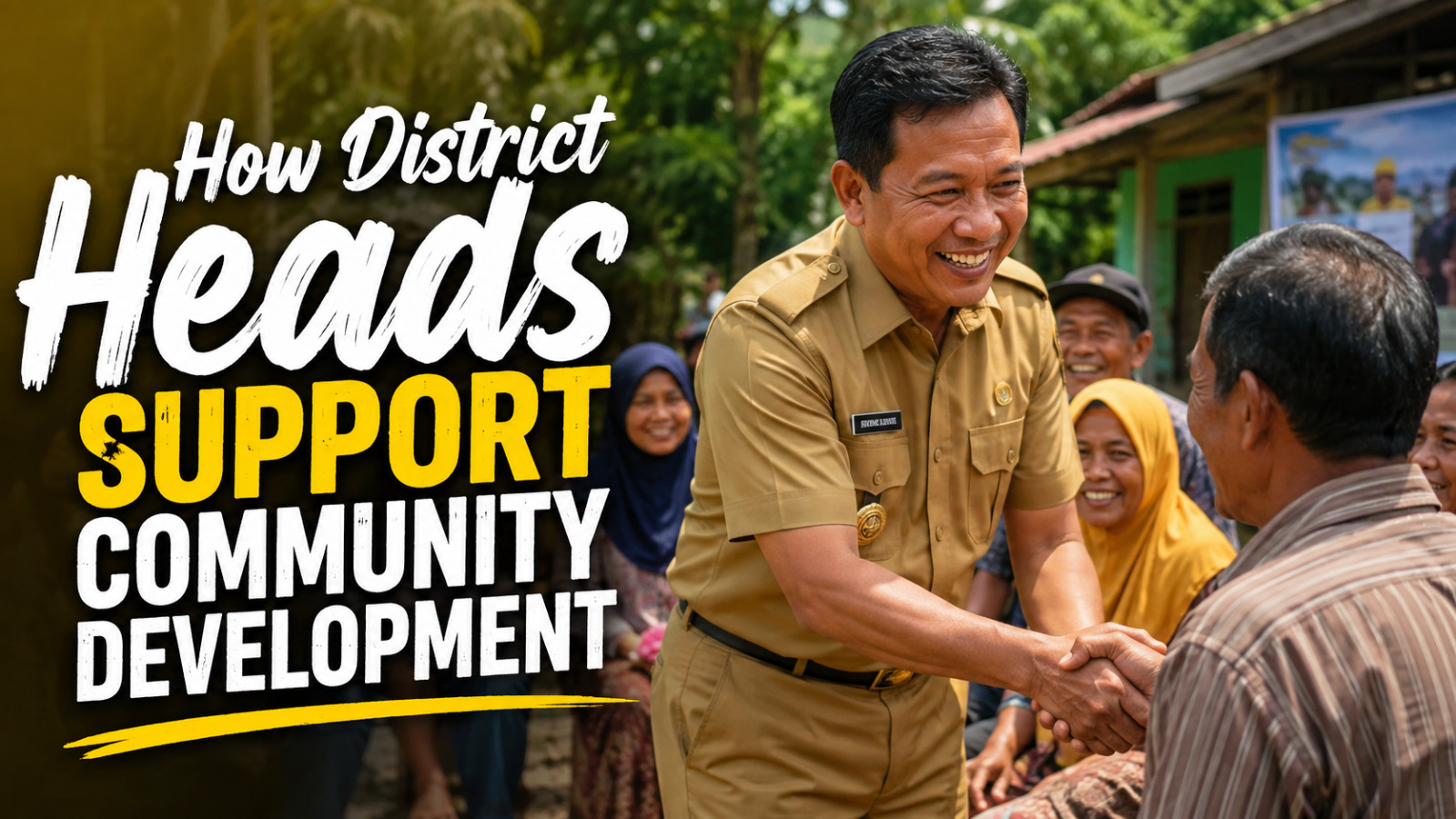
A District Head plays an important role in supporting community development at the local level. This leader acts as a link between local government programs and the needs of residents. Through coordination, public services, and community engagement, district heads can help create better living conditions. Their work often involves education, infrastructure, health, economic development, and social programs. Understanding this role helps communities recognize how local government contributes to sustainable development.
SUPPORTING LOCAL ECONOMIC DEVELOPMENT
District heads can support local economic development by helping create an environment where small businesses and community enterprises can grow. They may coordinate government programs that provide training, information, or access to relevant services for local entrepreneurs. Strong coordination with other government agencies can also help residents access economic opportunities. Supporting local markets and community-based businesses can strengthen household incomes. These efforts can contribute to a more resilient local economy.
District heads can also encourage cooperation between local businesses, community groups, and government institutions. By identifying local economic potential, they can help ensure development programs are relevant to community conditions. For example, areas with agricultural potential may benefit from programs related to farming, processing, or marketing. Proper coordination can prevent programs from overlapping or failing to reach their intended beneficiaries. This makes economic development more organized and inclusive.
IMPROVING PUBLIC SERVICES
Another important contribution of district heads is improving the quality of public services. Residents depend on government services for administrative needs, social assistance, health programs, and other essential services. A district head can monitor whether these services are delivered efficiently and fairly. They can also identify problems reported by residents and coordinate solutions with relevant agencies. Better services can increase public satisfaction and trust in local government.
Accessibility and responsiveness are also important aspects of public services. District heads can encourage local government offices to provide clear information and respond to community concerns. Digital services may also make certain administrative processes faster and easier when appropriate. Regular evaluation can help identify areas that need improvement. As a result, residents can receive services that are more convenient and responsive to their needs.
DEVELOPING COMMUNITY PARTICIPATION
Community development becomes stronger when residents are actively involved in decisions that affect their lives. District heads can encourage community participation through meetings, consultations, public discussions, and collaboration with community organizations. These activities provide opportunities for residents to express their needs and propose solutions. Local knowledge can help government officials understand problems that may not be visible through administrative data alone. Participation can therefore make development programs more relevant.
District heads can also strengthen communication between government and communities. Listening to different groups is important because communities often have diverse priorities and challenges. Inclusive participation should give opportunities to women, young people, older residents, and other community groups to contribute. When residents feel heard, they are more likely to support development programs. This can create stronger cooperation between government institutions and the community.
SUPPORTING INFRASTRUCTURE AND ENVIRONMENTAL DEVELOPMENT
Adequate infrastructure is an important foundation for community development. District heads can help coordinate infrastructure priorities with village governments and relevant government agencies. Roads, drainage systems, sanitation facilities, public spaces, and other infrastructure can directly affect residents' daily activities. Coordination is particularly important because infrastructure projects may involve responsibilities across different levels of government. Effective planning can help ensure that development responds to actual community needs.
Environmental sustainability should also be considered in local development. District heads can support programs involving waste management, environmental awareness, and community cleanliness. Communities can be encouraged to participate in activities such as waste reduction, recycling, and maintaining public spaces. Sustainable practices can reduce environmental problems while improving the quality of local living conditions. Development should therefore balance economic progress with environmental responsibility.
STRENGTHENING SOCIAL DEVELOPMENT
Community development is not limited to infrastructure and economic growth. Social development is equally important because communities need access to education, health services, social protection, and opportunities for personal development. District heads can coordinate with relevant agencies to support programs addressing these areas. They can also help identify communities that require additional attention or government support. Effective coordination can make social programs more targeted and useful.
District heads may also encourage activities that strengthen social cohesion. Community events, youth activities, educational programs, and cooperation among local organizations can help build stronger relationships between residents. A united community is generally better prepared to respond to local challenges. Strong social connections can also encourage residents to work together rather than depend entirely on government assistance. This makes community development more sustainable in the long term.
CONCLUSION
District heads have an important role in supporting community development through economic programs, public services, infrastructure coordination, social development, and community participation. Their position allows them to connect government policies with the needs and conditions of local residents. Effective leadership requires good communication, coordination, responsiveness, and an understanding of community priorities. When government and residents work together, development programs can become more relevant and sustainable. Therefore, district heads can serve as important facilitators in building stronger, more independent, and more resilient communities.
About the Author
Gusti Ayu Tita P
Author — STEKOM University
An active author focused on academic issues, educational technology, and human resource development in the campus environment.















