How Do Community Service Programs Prepare Students for Real World Challenges?
Gusti Ayu Tita P
24 Juli 2026
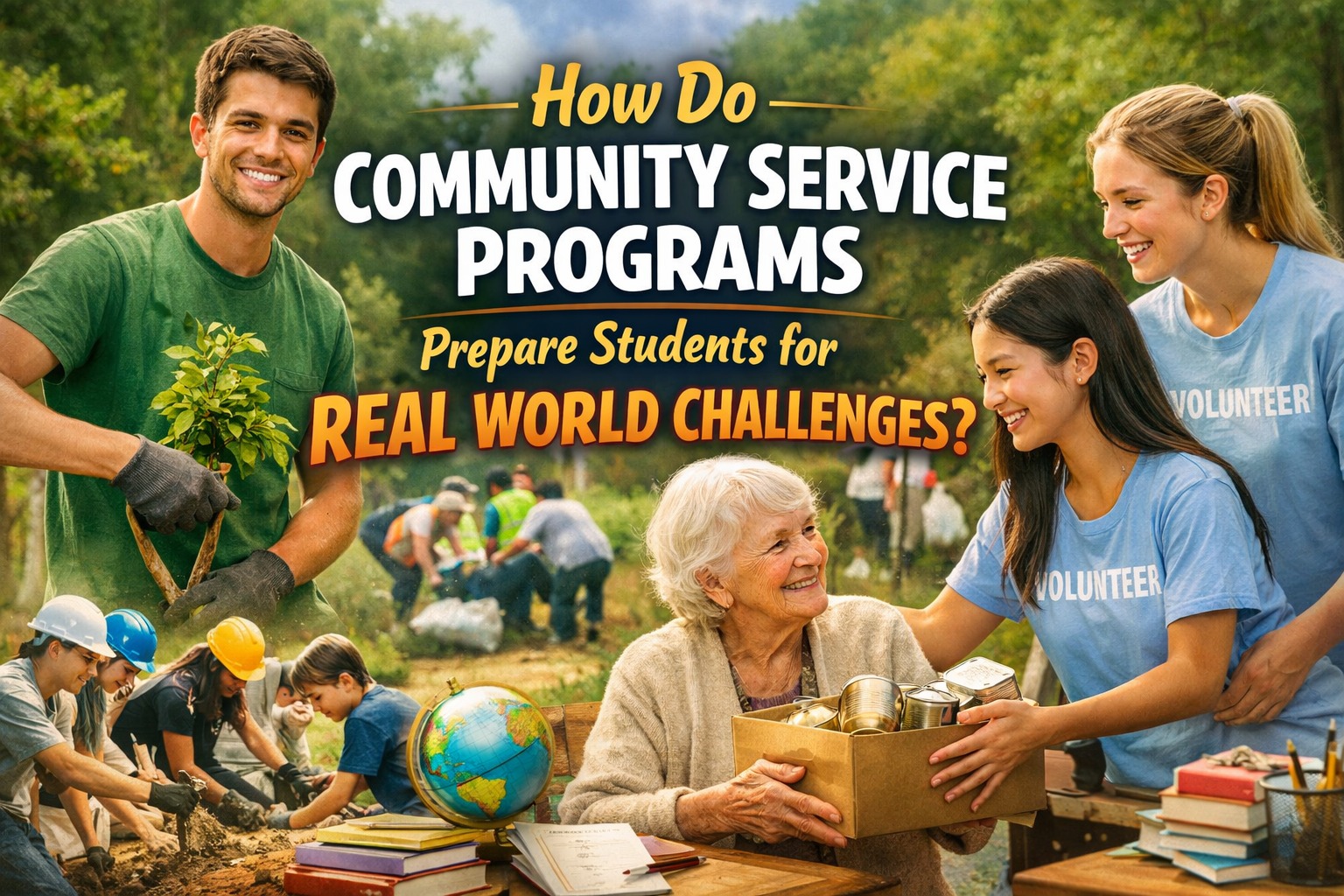
Community service programs have become an important part of student development in many educational institutions. These programs provide opportunities for students to interact directly with society, understand real-life issues, and contribute to meaningful solutions. Through community engagement, students gain experiences that cannot be fully learned inside classrooms.
In today's rapidly changing world, academic knowledge alone is not enough. Employers and communities value individuals who can adapt, communicate effectively, solve problems, and work collaboratively. Community service programs help students build these essential abilities while creating a positive impact on society. As a result, students become better prepared to face the challenges of the real world.
DEVELOPING PRACTICAL PROBLEM SOLVING SKILLS
One of the biggest benefits of community service programs is the opportunity to develop practical problem-solving skills. Students often encounter real situations that require creative thinking, careful planning, and quick decision-making. Unlike theoretical classroom exercises, community projects involve actual challenges that affect people's lives.
By working directly with communities, students learn how to identify problems, analyze possible solutions, and implement effective strategies. These experiences help them become more confident when facing unexpected situations in their future careers and personal lives. Critical thinking becomes stronger because students must evaluate different perspectives before making decisions.
IMPROVING COMMUNICATION AND TEAMWORK ABILITIES
Effective communication is a crucial skill in every profession. Community service programs encourage students to interact with people from different backgrounds, cultures, and age groups. This experience helps them improve their ability to communicate clearly and respectfully.
In addition, many projects require students to work in groups. Through teamwork, they learn how to share responsibilities, resolve conflicts, and achieve common goals. These experiences strengthen leadership skills, cooperation, and interpersonal relationships, all of which are highly valuable in professional environments.
BUILDING ADAPTABILITY AND RESILIENCE
Real-world challenges are often unpredictable. Community service programs expose students to diverse environments where conditions may change unexpectedly. Students must learn how to adjust their plans and remain productive despite obstacles.
This process helps develop adaptability and resilience, two qualities that are essential in modern workplaces. When students face difficulties during community projects, they learn to stay motivated and continue working toward solutions. These experiences prepare them to handle future challenges with greater confidence and determination.
INCREASING SOCIAL AWARENESS AND EMPATHY
Community service allows students to gain a deeper understanding of social issues such as poverty, education gaps, environmental concerns, and public health challenges. By interacting directly with community members, students can see the realities that many people face every day.
This exposure helps build empathy and social responsibility. Students learn to appreciate different life experiences and become more sensitive to the needs of others. These qualities are important not only for personal growth but also for becoming responsible citizens and ethical professionals.
ENHANCING CAREER READINESS
Employers increasingly seek candidates who possess both technical knowledge and practical experience. Community service programs provide students with opportunities to apply classroom learning in real-life situations. This combination strengthens their professional competencies and work readiness.
Students who participate in community projects often develop stronger organizational, communication, and leadership abilities. These experiences can enhance resumes and demonstrate a willingness to contribute beyond academic requirements. As a result, graduates may have a competitive advantage in the job market.
ENCOURAGING LIFELONG LEARNING AND RESPONSIBILITY
Community service programs inspire students to continue learning beyond formal education. Exposure to real-world issues encourages curiosity and motivates them to seek new knowledge and skills. Students begin to understand that learning is a continuous process throughout life.
Furthermore, these programs foster a sense of responsibility toward society. Students recognize that their knowledge and abilities can contribute to positive change. This mindset encourages ongoing personal development and active participation in community improvement efforts.
CONCLUSION
Community service programs play a significant role in preparing students for real-world challenges. Through direct engagement with communities, students develop problem-solving skills, communication abilities, leadership qualities, adaptability, and social awareness. These experiences complement academic learning and provide practical knowledge that is highly relevant in today's world.
By participating in community service activities, students become more confident, responsible, and career-ready individuals. Ultimately, these programs help shape future leaders who are capable of addressing complex challenges while making meaningful contributions to society.
About the Author
Gusti Ayu Tita P
Author — STEKOM University
An active author focused on academic issues, educational technology, and human resource development in the campus environment.