How Do Gas Stations Support the Transportation Needs of Communities?
Gusti Ayu Tita P
17 September 2026
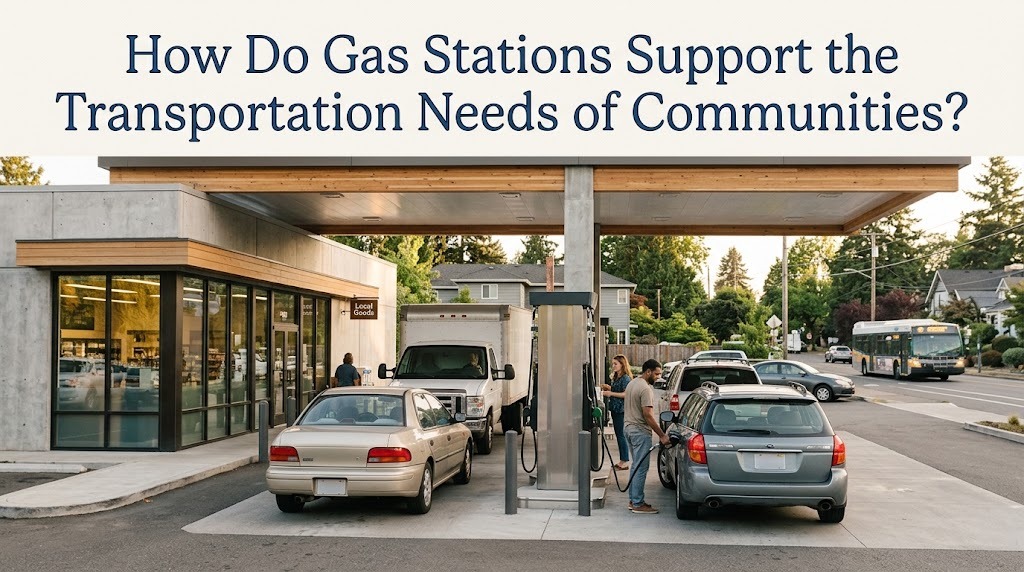
Gas stations play an important role in supporting the daily transportation needs of communities. They provide fuel that allows cars, motorcycles, trucks, buses, and other vehicles to operate efficiently. For many people, access to a reliable gas station is essential for commuting, working, studying, shopping, and traveling. Gas stations can also provide additional services that make journeys more convenient. Therefore, their role extends beyond simply selling fuel to drivers.
PROVIDING ACCESS TO FUEL
The main function of a gas station is to provide fuel for vehicles. Drivers depend on gasoline or diesel to travel to workplaces, schools, markets, hospitals, and other destinations. When fuel is easily available, people can maintain their daily activities without major interruptions caused by an empty fuel tank. Gas stations located along major roads can also support people traveling between cities or regions. Reliable fuel access is especially important for vehicles that travel long distances or operate throughout the day.
Gas stations generally offer different types of fuel to meet the needs of various vehicles. The appropriate fuel depends on the vehicle's engine specifications and manufacturer recommendations. Drivers should select the correct fuel to help maintain engine performance and efficiency. Clear fuel labels and organized service areas can make the refueling process easier. By providing accessible fuel options, gas stations help keep transportation systems moving.
SUPPORTING DAILY MOBILITY
Gas stations contribute directly to community mobility by helping people keep their vehicles ready for everyday use. Workers may need fuel to commute to their jobs, while students and families may depend on motorcycles or cars for transportation. Small businesses also rely on vehicles to deliver products and transport materials. Public service workers and other essential workers may also require regular access to fuel. This makes gas stations an important part of the infrastructure that supports everyday activities.
The availability of gas stations can also be valuable in areas where public transportation options are limited. People in suburban, rural, or developing communities may depend heavily on private vehicles. A nearby gas station can reduce the distance people need to travel before refueling. Convenient access can save time and help drivers plan their journeys more effectively. In this way, gas stations support continuous transportation access for different groups within a community.
SUPPORTING LOCAL BUSINESSES
Gas stations can also contribute to the local economy by supporting businesses and creating employment opportunities. They require employees for customer service, fuel operations, maintenance, management, and other activities. Some gas stations also contain convenience stores, food outlets, car washes, or other services. These additional facilities can attract customers and create opportunities for nearby businesses. The economic activity surrounding a busy gas station can benefit the wider community.
Businesses that depend on transportation also benefit from accessible fuel services. Delivery companies, construction businesses, agricultural operations, and transportation providers may need fuel regularly. Convenient refueling helps these businesses keep their vehicles operating according to their schedules. This can support the movement of goods and services within a community. As a result, gas stations can become part of the local commercial network.
PROVIDING ADDITIONAL SERVICES
Modern gas stations often provide more than fuel. Depending on their location and size, they may offer convenience stores, rest areas, ATMs, tire services, vehicle washing, food, beverages, or basic vehicle supplies. These services can be useful for drivers who need to take a short break or handle simple travel needs. Larger stations located on major routes may provide more facilities for long-distance travelers. Such services can make journeys more practical and comfortable.
Additional facilities can also support communities by providing convenient access to everyday products and services. For example, a driver may purchase drinking water or basic vehicle supplies while refueling. Some stations may also provide public facilities that are useful during longer journeys. The availability of these services depends on the operator, location, and local regulations. Nevertheless, they can increase the overall value of a gas station to the surrounding community.
SUPPORTING SAFE AND EFFICIENT TRANSPORTATION
Gas stations also contribute to safe and efficient transportation when they maintain proper operating standards. Fueling areas need clear instructions, suitable equipment, and safety procedures because fuel can be flammable. Drivers are generally expected to turn off their engines, avoid smoking, and follow posted safety instructions while refueling. Employees may also be trained to respond to spills, equipment problems, and other operational issues. These practices help reduce unnecessary risks in areas where fuel is handled.
Clean and organized facilities can further improve the experience for drivers. Properly maintained pumps, clear signs, adequate lighting, and accessible facilities can make the station easier to use. Regular maintenance can also help identify equipment problems before they become more serious. Drivers should still remain attentive and follow the station's safety rules. Together, responsible operators and careful drivers can help create a safer transportation environment.
CONCLUSION
Gas stations support communities by providing reliable fuel access, convenient services, and important transportation infrastructure. They help people commute, support businesses, facilitate the movement of goods, and make long-distance travel easier. Many stations also provide additional services that improve convenience for drivers and travelers. Their contribution can be particularly important in communities where people depend heavily on private or commercial vehicles. As transportation needs continue to change, gas stations can remain an important part of community mobility while adapting to new technologies and evolving energy options.
About the Author
Gusti Ayu Tita P
Author — STEKOM University
An active author focused on academic issues, educational technology, and human resource development in the campus environment.