
How Do Mountain Kids Deal With Changing Mountain Conditions?
Gusti Ayu Tita P
22 September 2026
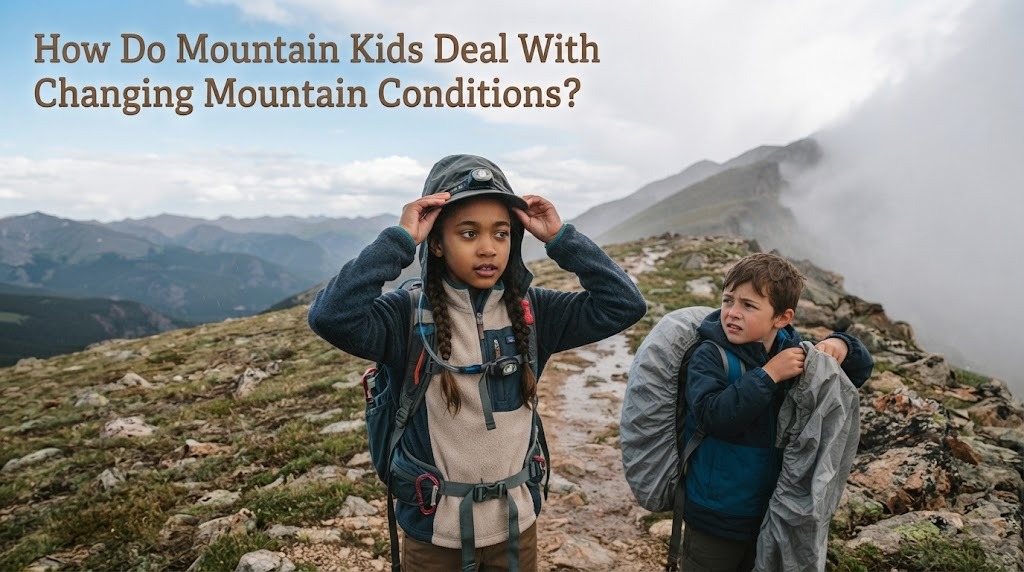
Mountain conditions can change during a hiking trip, so mountain kids need to be prepared and flexible. Weather, trail conditions, visibility, temperature, and physical challenges may become different from what hikers expected. These changes can affect the safety and comfort of everyone in the group. By staying alert and making careful decisions, hikers can respond better to unexpected situations.
CHECKING CONDITIONS BEFORE HIKING
Before starting a hike, mountain kids should learn about the route, weather, and possible trail conditions. They can check reliable weather forecasts and official information about the hiking area when available. Knowing the route in advance can help them prepare suitable clothing, food, water, and equipment. This preparation gives hikers a better understanding of what they may encounter.
However, preparation does not mean that conditions will always remain the same. Mountain kids should stay alert to changes during the journey and be ready to adjust their plans. If the actual conditions are different from the information they expected, they should reassess the situation. Flexible planning is an important part of responsible hiking.
ADAPTING TO CHANGING WEATHER
Weather is one of the most common factors that can change in mountain areas. Rain, strong wind, fog, heat, or colder temperatures can appear during a hike. Mountain kids should pay attention to clouds, wind, temperature, and visibility while continuing along the trail. These observations can help them recognize when conditions may be becoming less suitable.
Hikers should carry weather-appropriate clothing and protection based on the expected conditions. If heavy rain or dangerous weather develops, they may need to stop, find a safer location, or turn back. Continuing toward the summit despite unsafe conditions can increase risk. A flexible attitude allows hikers to prioritize safety instead of following a fixed plan.
HANDLING DIFFICULT TRAIL CONDITIONS
Trails can become different because of rain, erosion, mud, fallen branches, or other natural changes. A path that was easy during a previous visit may be more difficult on another day. Mountain kids should slow down and carefully observe the ground when trail conditions become challenging. Using suitable footwear can also improve stability.
When a section of the trail becomes unsafe, hikers should avoid taking unnecessary shortcuts. They can look for a safer marked route or follow local instructions when available. If no safe option exists, turning back may be necessary. Careful movement and good judgment can help reduce accidents.
MANAGING PHYSICAL FATIGUE
Changing conditions can make hiking more physically demanding. A muddy trail, steep climb, high temperature, or strong wind may require more energy than expected. Mountain kids should monitor their energy levels and physical condition throughout the journey. Taking regular breaks and drinking enough water can help them manage physical effort.
Hikers should also recognize signs that they need to stop or change plans. Extreme tiredness, dizziness, weakness, or feeling unwell should not be ignored. Group members can check on one another and provide appropriate support. Understanding personal limits helps prevent a difficult situation from becoming more serious.
STAYING CALM AND THINKING CLEARLY
Unexpected conditions can make hikers feel worried or confused. Mountain kids can respond better by staying calm and focused instead of making rushed decisions. They should stop when necessary, assess the situation, and consider the safest available option. Taking a moment to think can prevent unnecessary mistakes.
Good decision making is especially important when visibility is poor or the route becomes unclear. Hikers should use reliable navigation tools and avoid moving forward when they are unsure of the direction. If necessary, they can return to a known location or seek appropriate assistance. Staying calm helps the group respond to changing conditions more effectively.
WORKING TOGETHER AS A GROUP
Dealing with changing mountain conditions becomes easier when hikers practice teamwork and communication. Group members should inform each other about slippery paths, weather changes, fatigue, or other hazards. They should also agree on when to stop, rest, or change the route. Clear communication helps everyone understand what is happening.
No member should feel pressured to continue when conditions are unsafe. A responsible group considers the safety and abilities of every hiker. Faster hikers can wait at suitable meeting points, while others can communicate when they need a break. Supporting one another can make the journey safer and more organized.
KNOWING WHEN TO TURN BACK
One of the most important skills in changing mountain conditions is knowing when to turn back. A planned route may become unsuitable because of bad weather, dangerous terrain, injury, exhaustion, or limited daylight. Turning back is a practical safety decision rather than simply giving up. The goal of hiking should include returning safely, not only reaching the destination.
Mountain kids should avoid letting personal goals or group pressure influence unsafe decisions. If conditions are uncertain or clearly dangerous, returning to a safer area may be the appropriate action. The decision should consider the current situation, not only the original hiking plan. Being willing to change plans shows responsible judgment.
LEARNING FROM EVERY EXPERIENCE
Every hiking trip can provide lessons about dealing with unexpected mountain conditions. After a hike, mountain kids can think about what went well and what could be improved. They may discover that they need better equipment, a different schedule, or more information about the route. Reflecting on the experience can improve future preparation.
Learning from previous experiences can also build confidence and awareness. Hikers become more familiar with how their bodies respond to different conditions and how quickly weather or trails can change. However, previous experience should not create overconfidence because every mountain and situation can be different. Staying prepared and cautious remains important.
CONCLUSION
Mountain kids deal with changing mountain conditions by staying alert, adapting their plans, managing their energy, communicating with others, and making safety-focused decisions. They should be prepared for changes in weather, trail conditions, visibility, and physical demands. When conditions become unsafe, stopping or turning back can be the responsible choice. With preparation, flexibility, and teamwork, hikers can respond to changing conditions more safely.
About the Author
Gusti Ayu Tita P
Author — STEKOM University
An active author focused on academic issues, educational technology, and human resource development in the campus environment.



