
How Do Mountain Kids Stay Safe During Hiking?
Gusti Ayu Tita P
22 September 2026
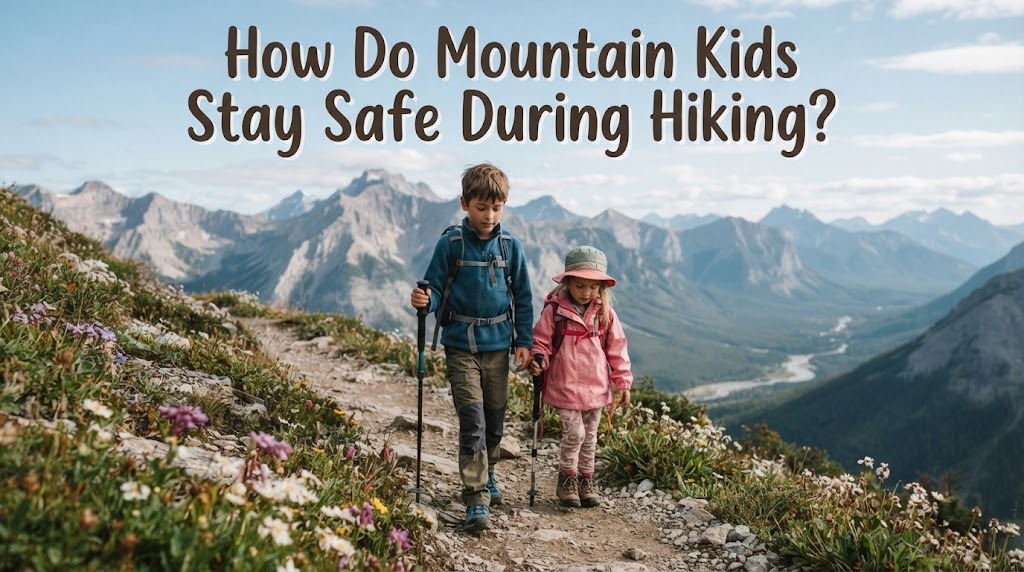
Hiking can be an enjoyable outdoor activity, but it also requires careful preparation and responsible decisions. Mountain kids can enjoy their journey safely by understanding the trail, preparing suitable equipment, and paying attention to weather conditions. Safety becomes even more important when hiking in unfamiliar or difficult areas. Good habits can help reduce unnecessary risks and make the experience more comfortable.
PREPARING BEFORE THE HIKE
One of the most important ways mountain kids stay safe is by preparing before the journey. They should learn about the hiking route, distance, difficulty level, and possible hazards. Checking the weather forecast can also help hikers decide whether the planned trip is suitable. Sharing the hiking plan with a trusted person is another useful safety step.
Hikers should also prepare enough water, food, suitable clothing, navigation tools, and basic first aid supplies. The equipment should match the length and difficulty of the hike. A fully charged phone can be useful for communication, although hikers should not depend on it because mobile signals may be unavailable. Careful preparation can make it easier to handle unexpected situations.
WEARING SUITABLE EQUIPMENT
Proper equipment can provide comfort, protection, and support during hiking. Mountain kids should wear footwear that fits well and provides good grip for the type of trail they will use. Comfortable clothing can help protect the body from changing weather and environmental conditions. A backpack should also be packed carefully so that important items are easy to reach.
Depending on the route, hikers may need additional equipment such as rain protection, a headlamp, navigation tools, and sun protection. Carrying unnecessary items can make the backpack heavier and increase fatigue. Therefore, hikers should choose equipment based on the actual conditions of the trip. Suitable gear can help hikers move more safely and efficiently.
CHECKING WEATHER CONDITIONS
Weather can change quickly in mountain areas, so checking conditions is an important part of hiking safety. Rain can make trails slippery, while strong wind, storms, or poor visibility can create additional hazards. Mountain kids should check reliable weather information before leaving and remain alert to changes during the hike. They should also understand that a good forecast does not guarantee perfect conditions.
If the weather becomes dangerous or significantly worse, hikers should consider stopping, turning back, or moving to a safer location. Continuing only to reach the destination can increase unnecessary risk. Knowing when to change plans is an important part of responsible hiking. Safety should always come before reaching the summit.
STAYING ON THE SAFE TRAIL
Mountain kids should follow marked and appropriate trails whenever possible. Leaving an established path can increase the chance of getting lost or encountering unstable terrain. Hikers should pay attention to signs, trail markers, maps, and instructions from local authorities or park managers. They should avoid taking shortcuts when the route is unfamiliar or potentially dangerous.
Staying on the trail also helps protect the natural environment. It can reduce damage to plants and prevent hikers from entering sensitive areas. If the trail becomes difficult to recognize, the group should stop and check its navigation rather than continuing without knowing the direction. This simple habit can prevent a small mistake from becoming a serious problem.
MANAGING ENERGY AND WATER
Hiking requires physical effort, so mountain kids need to manage their energy carefully. Walking too quickly at the beginning can cause early exhaustion, especially on long or steep routes. Taking appropriate breaks allows hikers to recover and continue more comfortably. Drinking water regularly is also important, especially in hot or physically demanding conditions.
Hikers should pay attention to signs of dehydration, overheating, extreme fatigue, or feeling unwell. If someone develops concerning symptoms, the group should stop and respond appropriately rather than forcing that person to continue. Understanding personal limits is an important part of outdoor safety. A successful hike is not only about reaching the destination but also returning safely.
HIKING WITH A RESPONSIBLE GROUP
Hiking with friends can provide additional support and safety. Before starting, group members should agree on the route, pace, meeting points, and communication plan. Everyone should know who is in the group and avoid leaving someone alone without a safe reason. Staying connected can make it easier to respond when someone has a problem.
Group members can also help each other by sharing supplies, checking on tired hikers, and communicating hazards. However, each person should still take responsibility for their own preparation and safety. Good teamwork works best when everyone communicates honestly. A supportive group can make the hiking experience safer and more enjoyable.
KNOWING WHEN TO TURN BACK
One of the most important safety skills is knowing when to turn back. Hikers may need to change their plans because of bad weather, injury, exhaustion, limited daylight, or unsafe trail conditions. Turning back is not a failure because conditions can change during a hike. Making a careful decision can prevent a dangerous situation from becoming worse.
Mountain kids should focus on safe decision making rather than reaching the top at any cost. If the situation is uncertain, taking a break and reassessing the conditions can be helpful. In some situations, returning to a safer location is the most responsible choice. This mindset helps hikers enjoy nature while respecting its risks.
CONCLUSION
Mountain kids can stay safe during hiking by preparing properly, using suitable equipment, checking the weather, following safe trails, managing their energy, and working with their group. They should also recognize dangerous conditions and know when it is better to turn back. Safety requires attention throughout the entire journey, not only before reaching the mountain. With responsible habits and good preparation, hiking can become a safer and more enjoyable outdoor experience.
About the Author
Gusti Ayu Tita P
Author — STEKOM University
An active author focused on academic issues, educational technology, and human resource development in the campus environment.



