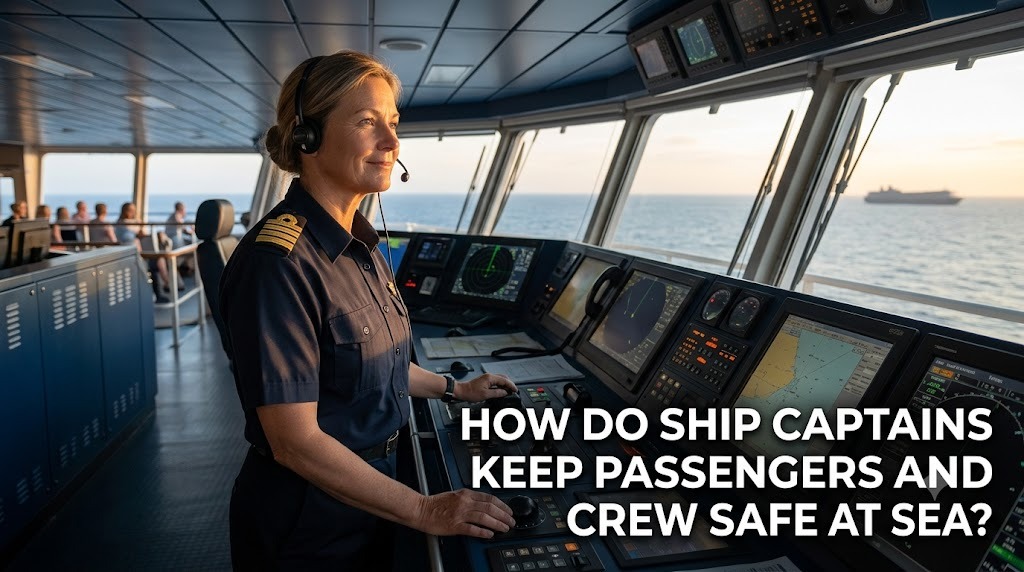
Safety is the highest priority in the maritime industry, and ship captains play the most important role in ensuring every voyage is completed successfully. A captain is responsible for making critical decisions before, during, and after a journey while protecting both passengers and crew members. Modern ships are equipped with advanced technology, but the captain's experience, leadership, and quick decision-making remain essential. Understanding how ship captains maintain safety helps people appreciate the professionalism required in this challenging career.
RESPONSIBILITIES OF A SHIP CAPTAIN
A ship captain is responsible for the overall operation of the vessel and everyone on board. Before departure, the captain checks that the ship meets all safety regulations, reviews weather forecasts, and confirms that navigation systems are functioning properly. They also ensure the crew understands their duties and emergency procedures before the voyage begins.
During the journey, the captain continuously monitors the ship's position, speed, and surrounding conditions. They communicate with port authorities and other vessels to maintain safe navigation. Every important operational decision must prioritize the safety of passengers, crew, and cargo.
USING MODERN TECHNOLOGY FOR SAFE NAVIGATION
Today's ships rely on advanced navigation systems to improve safety at sea. Equipment such as radar, GPS, electronic charts, and communication systems helps captains monitor their surroundings with greater accuracy. These technologies reduce navigation risks and support better decision-making in changing conditions.
However, technology cannot replace human judgment. A skilled ship captain combines modern equipment with professional experience to interpret information correctly. This balance allows captains to respond effectively to unexpected situations while maintaining safe operations.
PREPARING FOR EMERGENCY SITUATIONS
Emergency preparedness is a vital part of every voyage. Ship captains regularly organize safety drills so passengers and crew understand evacuation procedures and emergency responsibilities. These drills help everyone react calmly and efficiently if an incident occurs.
Captains also ensure that all emergency equipment, including lifeboats, life jackets, fire extinguishers, and communication devices, is fully operational. In an emergency, the captain coordinates the crew, communicates with rescue authorities, and makes quick decisions to protect everyone on board.
MANAGING WEATHER AND SEA CONDITIONS
Weather conditions can change rapidly while a ship is at sea. A ship captain carefully monitors weather reports, sea forecasts, and ocean currents before and throughout the voyage. If severe weather is expected, the captain may adjust the ship's route or delay departure to reduce potential risks.
Good decision-making is essential during storms or rough seas. Captains consider the ship's stability, passenger comfort, and overall safety before taking action. Their experience allows them to make informed choices that minimize danger while maintaining efficient operations.
LEADERSHIP AND COMMUNICATION ON BOARD
Strong leadership is one of the most valuable qualities of an experienced ship captain. The captain must coordinate officers, engineers, deck crews, and hospitality staff to ensure everyone works together effectively. Clear communication helps prevent misunderstandings that could affect safety.
A positive working environment also contributes to successful voyages. By encouraging teamwork, discipline, and continuous training, captains help create a professional crew that is prepared to handle both routine operations and unexpected challenges.
CONCLUSION
A ship captain plays a crucial role in protecting passengers and crew through careful planning, professional leadership, and effective decision-making. By following safety procedures, using modern navigation technology, preparing for emergencies, and responding wisely to changing weather conditions, captains help ensure every voyage is as safe as possible. As maritime transportation continues to grow, skilled ship captains will remain essential to maintaining safety, reliability, and confidence across the global shipping industry.
About the Author
Gusti Ayu Tita P
Author — STEKOM University
An active author focused on academic issues, educational technology, and human resource development in the campus environment.