
How Does a Cabinet Help Run the Government?
Gusti Ayu Tita P
12 Agustus 2026
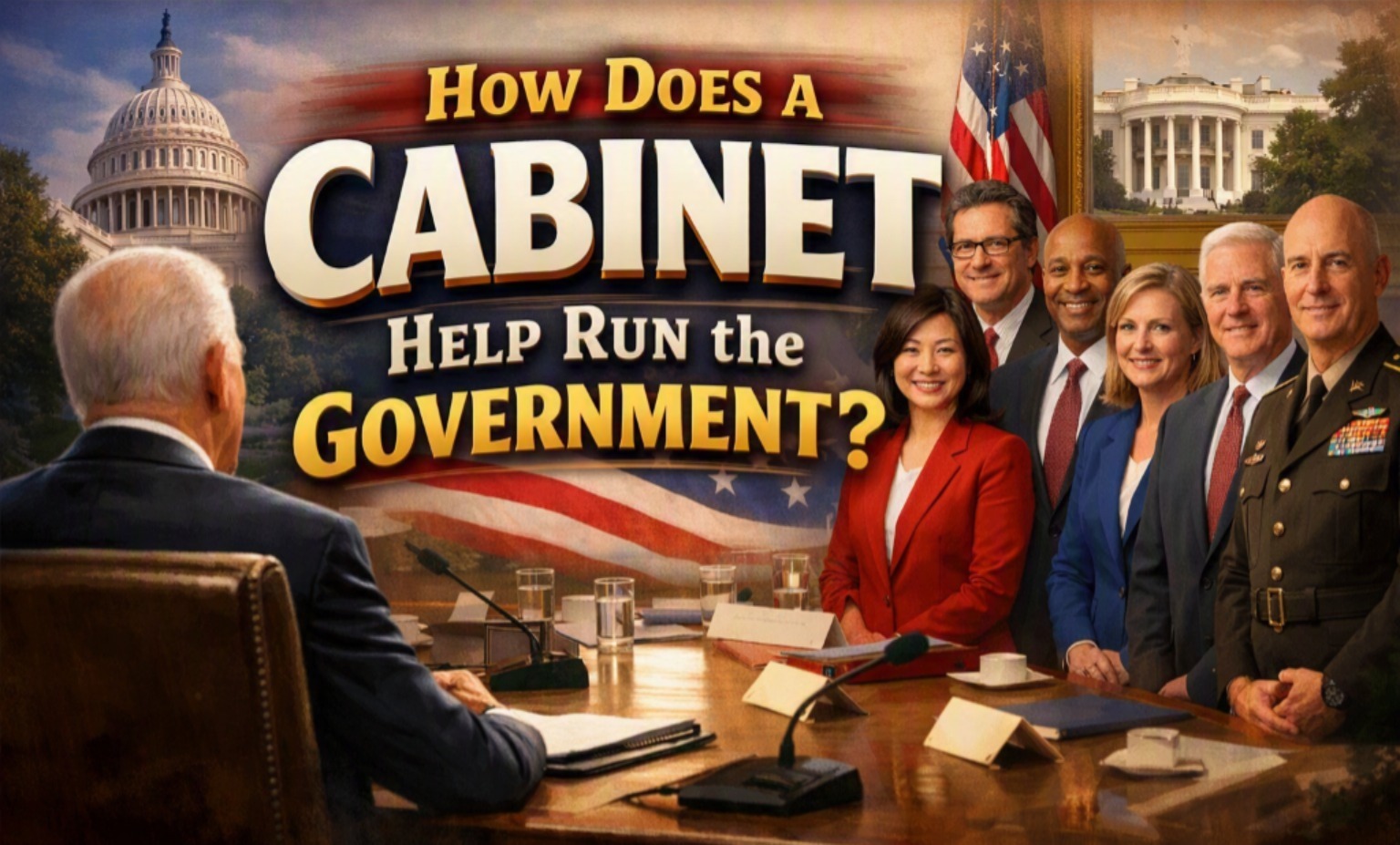
A government cabinet is a group of senior officials who help the head of government manage national affairs. In many countries, cabinet members lead major government departments such as finance, education, health, defense, and transportation. Their work helps turn government priorities into practical policies and public programs. A cabinet also supports coordination between different departments so government decisions can be implemented effectively. Understanding how a cabinet works is important for recognizing how national policies affect everyday life.
WHAT IS A GOVERNMENT CABINET?
A cabinet is generally made up of ministers or other senior government officials appointed to oversee important areas of public administration. The exact structure and authority of a cabinet depend on the country's political system and constitution. In a parliamentary system, cabinet ministers are often closely connected to the legislature and the prime minister. In a presidential system, ministers typically work under the president and manage specific executive departments. Despite these differences, the main purpose is to help coordinate and manage government responsibilities.
Cabinet members usually have specialized knowledge of their assigned areas while also working as part of a larger team. For example, a finance minister may focus on the national budget, while a health minister manages public health policies. These responsibilities require cooperation because one government policy can affect several sectors at the same time. Cabinet coordination helps ensure that different departments do not work against one another. This makes government administration more organized and consistent.
HOW DOES THE CABINET SUPPORT GOVERNMENT DECISIONS?
One of the cabinet's key functions is to help the head of government develop and evaluate policies. Ministers provide information, professional advice, and recommendations based on the responsibilities of their departments. Cabinet discussions can help identify potential benefits, costs, risks, and practical challenges before major policies are implemented. This process allows leaders to consider different perspectives when making important national decisions. It can also improve the consistency of policies across government institutions.
Cabinet meetings provide a forum where ministers can discuss issues that require cooperation between departments. For instance, an economic policy may involve finance, labor, education, and industry authorities. By discussing these matters collectively, the government can create more coordinated solutions. Policy coordination is especially important when national problems are complex and cannot be addressed by one department alone. The final decision-making authority depends on the country's constitutional system and the powers assigned to the head of government.
HOW DOES A CABINET MANAGE GOVERNMENT DEPARTMENTS?
Each cabinet minister generally supervises a particular government department or ministry. This includes setting priorities, overseeing programs, managing resources, and ensuring that policies are carried out according to applicable laws and regulations. Ministers also communicate government priorities to officials within their departments. Their leadership helps connect high-level political decisions with everyday public administration. Effective supervision can improve the delivery of government services to citizens.
Cabinet ministers also need to coordinate with one another when their responsibilities overlap. A transportation project, for example, may involve infrastructure, finance, environmental, and regional authorities. Cooperation between these areas can help reduce duplication and improve the use of public resources. Administrative coordination allows government departments to work toward shared national objectives. It also helps the government respond more effectively to emerging challenges.
WHY IS CABINET COOPERATION IMPORTANT?
Modern governments deal with issues that are often interconnected, including economic development, public health, education, security, infrastructure, and environmental protection. Because these areas influence one another, government departments need to communicate and coordinate their actions. Cabinet cooperation provides a mechanism for discussing shared priorities and resolving differences between ministries. It can also help establish common goals for national programs. Strong cooperation makes it easier to implement policies consistently across different parts of government.
Cabinet teamwork is also important during national emergencies. Situations such as natural disasters, economic disruptions, or major public safety threats may require several government departments to act at the same time. Ministers can coordinate resources, responsibilities, and communication to support a faster response. Clear leadership and cooperation can reduce confusion during urgent situations. However, emergency decisions must still follow the country's laws, constitutional rules, and appropriate oversight mechanisms.
HOW DOES THE CABINET AFFECT CITIZENS?
The work of a cabinet can have a direct impact on people's daily lives. Decisions about education, healthcare, taxation, transportation, employment, and social programs can influence the services and opportunities available to citizens. Cabinet ministers help develop and implement policies in these areas through their respective departments. The results can be seen in public services, government programs, regulations, and national development projects. This makes cabinet responsibilities relevant not only to government officials but also to ordinary communities.
Citizens can also evaluate government performance through the outcomes of public policies. Effective government requires transparency, accountability, lawful administration, and responsible use of public resources. Cabinet members may be subject to legislative scrutiny, public criticism, audits, judicial review, or other oversight mechanisms depending on the country's system. These mechanisms help ensure that government power is exercised responsibly. A well-functioning cabinet should therefore combine effective leadership with accountability to the public and the law.
CONCLUSION
A cabinet helps run a government by bringing senior officials together to coordinate policies, manage departments, and support national priorities. Its effectiveness depends on clear responsibilities, strong communication, competent leadership, and cooperation between ministries. Good governance also requires transparency, accountability, respect for the law, and careful management of public resources. Although cabinet structures differ between countries, the need for coordinated government action is common. Ultimately, a cabinet serves as an important part of the executive system that helps transform national goals into practical government action.
About the Author
Gusti Ayu Tita P
Author — STEKOM University
An active author focused on academic issues, educational technology, and human resource development in the campus environment.















