
How Does a New SAR Team Respond to Missing Person Reports?
Gusti Ayu Tita P
29 September 2026
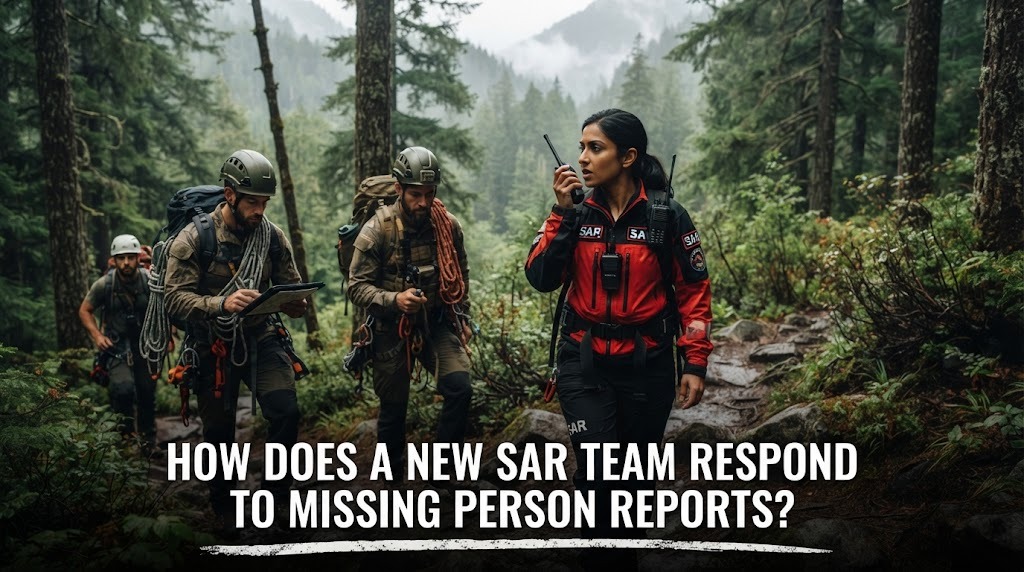
A new SAR team must respond to missing person reports in an organized and careful way because useful information can change as time passes. The first steps generally involve receiving the report, recording important details, verifying the information, preparing personnel and equipment, and planning the search. In Indonesia, BASARNAS procedures require reports to contain clear information about the incident, while officers receive, record, verify, and follow up the information before personnel move toward the location.
A recent BASARNAS operation in Nusa Penida also shows how a missing person search can use last known location information, witness statements, CCTV footage, and terrain conditions to determine the search area. The team coordinated with local authorities and the victim's family before carrying out field searches. For a new search and rescue team, following a structured process is important because missing person cases can involve limited information, difficult terrain, and changing circumstances.
RECEIVING AND VERIFYING THE REPORT
The first duty of a new SAR team is to make sure the missing person report contains enough information to begin an assessment. Important details can include the person's identity, last known location, time of disappearance, clothing, physical description, activity before disappearing, and contact information for the reporter. BASARNAS states that a report should include a clear reporter identity, contact number, and information about the incident or dangerous condition.
After receiving the report, the information needs to be checked and, when necessary, confirmed with relevant parties. Information verification can help prevent the search team from working with an inaccurate location or incomplete description. A new team should communicate important updates to the appropriate coordinator rather than relying on assumptions. Clear initial information creates a stronger basis for planning the search operation.
GATHERING INFORMATION ABOUT THE MISSING PERSON
Once the report is verified, the team needs to collect as much useful information as possible about the missing person. Details from family members, witnesses, local authorities, CCTV recordings, phone information when lawfully available, and previous travel routes may help establish the person's last known position. In a BASARNAS case in Nusa Penida, the search area was determined using information from CCTV, witnesses, family members, and the suspected route taken by the missing person.
The team should organize this information before deciding where to search first. The person's age, experience, health needs when known, familiarity with the area, and likely destination may affect the planning process. Accurate information gathering can help rescuers identify relevant search areas instead of spreading resources without a clear plan. New SAR members should also record significant findings so that other responders can use the same information.
PLANNING THE SEARCH AREA
After collecting information, the new SAR team develops a search plan based on the available evidence and conditions. The team may consider the last known position, possible routes, terrain, weather, accessibility, and places where the person may reasonably have traveled. INSARAG guidance describes planning as a continuous process that includes gathering and distributing information and determining the resources and contingencies needed for a mission.
A search plan should also identify who will search each area and how findings will be reported. Systematic search planning helps prevent the same location from being checked repeatedly while another relevant area is left unattended. The team should remain prepared to update the plan when new information is received. Search operations may need to expand, shift, or use different methods as the situation develops.
COORDINATING WITH FAMILY AND OTHER RESPONDERS
A new SAR team often needs information and support from people outside the team. Coordination with family members, local authorities, police, medical personnel, community members, and other SAR units can provide useful information and additional resources. BASARNAS missing person operations have involved coordination with local police, BPBD, families, and community members during field searches.
Communication should remain organized so that everyone understands their responsibilities. Family members may provide important details about habits, destinations, clothing, or the person's last activities, while local responders may provide knowledge about roads and terrain. Coordinated information sharing can therefore strengthen the search process. A new team should still ensure that operational decisions follow the responsible command structure.
DEPLOYING PERSONNEL AND RESCUE EQUIPMENT
After the search plan is established, the team prepares personnel and equipment according to the needs of the case. BASARNAS procedures include checking personnel health, equipment, personnel competence, and the number of rescuers and resources required for the particular incident. A new team may need navigation tools, communication equipment, lighting, first aid supplies, protective equipment, and other mission-specific gear.
Preparation is especially important when the search takes place in forests, mountains, rivers, coastlines, or other difficult environments. Rescuers should understand how to use their equipment before entering the search area. Equipment readiness also includes checking batteries, communication systems, and protective gear. The selected resources should match the team's training and the conditions expected in the field.
CONDUCTING AND MONITORING THE SEARCH
Once deployed, the new SAR team conducts the search according to the established plan while continuously monitoring conditions. Members may search routes, areas of interest, landmarks, or other locations identified during the planning stage. Findings should be communicated clearly and recorded so that the search coordinator can maintain an accurate operational picture. In the Nusa Penida case, rescuers conducted searches in directions identified from information about where the missing person was believed to have traveled.
Search conditions can change, so the original plan may need to be adjusted. New witness information, weather changes, discovered tracks, or other evidence can affect where the team searches next. Continuous monitoring helps the team respond to new information instead of following an outdated plan. Rescuers should also continue observing safety risks throughout the operation.
SUPPORTING RESCUE AND SAFE EVACUATION
If the missing person is found, the SAR team must shift from searching to providing appropriate assistance and planning the next stage of the operation. The response may involve assessing the person's condition, giving first aid within the team's training, moving the person away from danger, and arranging further medical support when necessary. BASARNAS identifies searching, helping, rescuing, and evacuating people in emergency conditions as core search and rescue activities.
The evacuation method should depend on the person's condition, location, terrain, weather, and available resources. Rescuers should avoid unnecessary risks and request specialized assistance when the situation exceeds their capabilities. Safe victim evacuation is an important part of completing a missing person operation because locating someone is only one stage of the response. Clear communication with receiving medical or emergency personnel can also help ensure appropriate continued assistance.
CONCLUSION
A new SAR team responds to missing person reports through a structured process that begins with receiving and verifying information and continues through information gathering, search planning, coordination, field searching, and victim assistance. BASARNAS procedures emphasize recording and verifying reports before deploying personnel, while real operations demonstrate the value of information from families, witnesses, local authorities, CCTV, and field conditions.
The process requires accurate information, systematic search methods, clear communication, suitable equipment, teamwork, and continuous safety assessment. A new team should remain flexible because new evidence can change the search area or operational approach. By following established procedures and working closely with other responders, a search and rescue team can conduct missing person operations in a more organized and safety-focused manner.
About the Author
Gusti Ayu Tita P
Author — STEKOM University
An active author focused on academic issues, educational technology, and human resource development in the campus environment.