
How Does an Emotional Bond Affect Emotional Closeness?
Gusti Ayu Tita P
9 September 2026
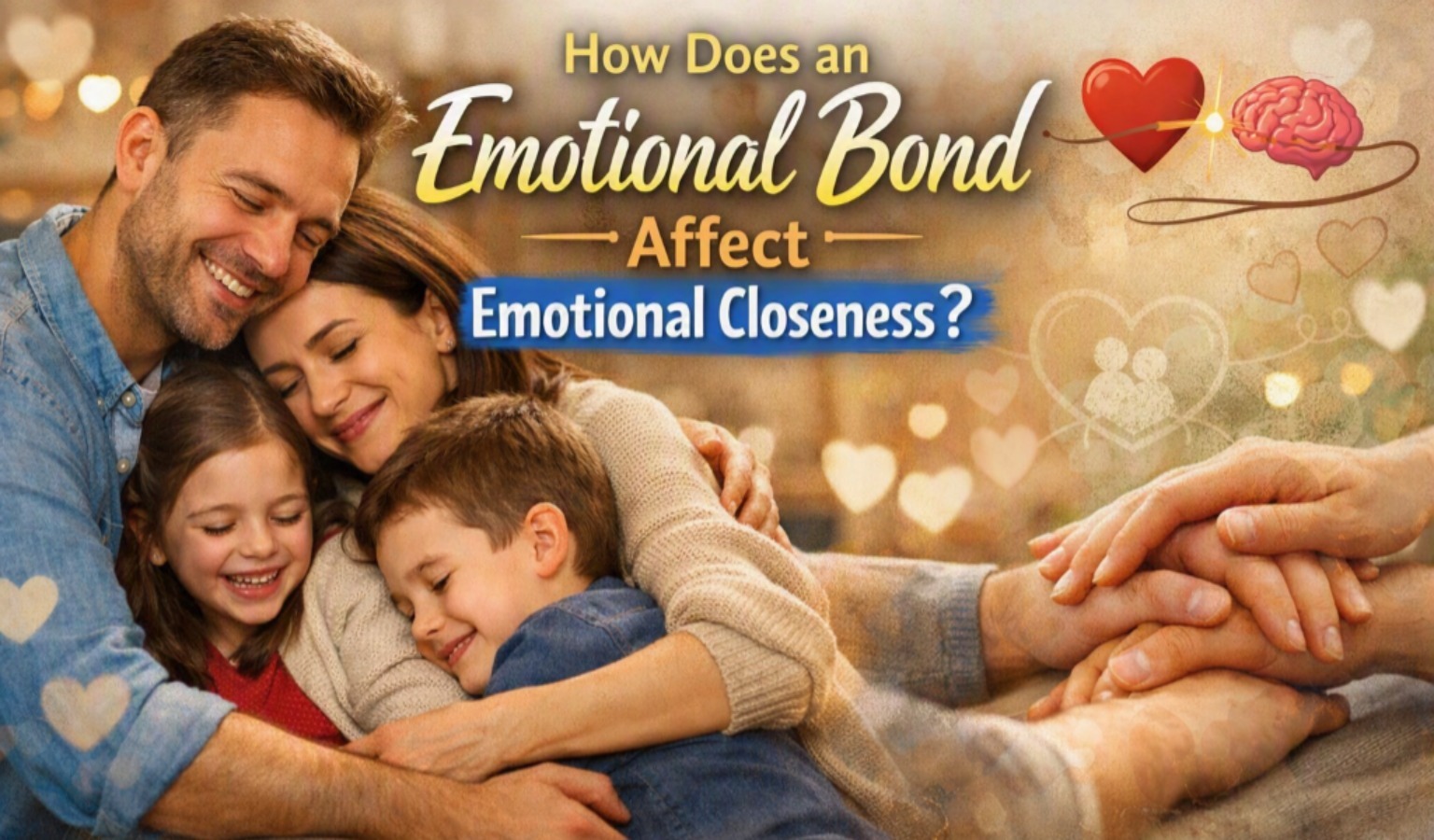
Emotional bond is an important part of how people build relationships that feel safe, meaningful, and lasting. It develops through shared experiences, trust, communication, care, and emotional support. When two people have a strong bond, they are generally more comfortable expressing their thoughts and feelings honestly. This condition can increase emotional closeness because each person feels understood and valued. However, emotional closeness can develop at different levels depending on the quality of the relationship and the experiences shared by both individuals.
UNDERSTANDING EMOTIONAL BOND
An emotional bond refers to a strong emotional connection that develops between people over time. This connection can occur between partners, family members, friends, or other people who regularly provide care and support to one another. A healthy emotional bond is usually built through trust, consistency, empathy, and shared experiences. The more positive interactions people experience together, the more familiar and emotionally secure the relationship may become.
An emotional bond does not always develop immediately. It often grows through small interactions, such as listening carefully, showing concern, keeping promises, and being present during difficult situations. When these behaviors happen consistently, people may become more confident that they can rely on each other. This sense of reliability becomes an important foundation for deeper emotional closeness.
HOW EMOTIONAL BOND CREATES CLOSENESS?
A strong emotional bond can make people feel more comfortable being emotionally open. They may be more willing to discuss personal experiences, fears, hopes, or problems because they expect understanding rather than immediate judgment. This openness allows both individuals to learn more about each other's emotional needs. As understanding increases, the relationship can feel more personal and connected.
Emotional closeness also grows when people experience meaningful moments together. Supporting someone during a difficult period, celebrating an important achievement, or simply spending quality time together can strengthen the feeling of connection. These experiences create shared memories that can make the relationship feel more significant. Over time, repeated positive interactions may help transform a basic relationship into a deeper emotional connection.
THE ROLE OF TRUST AND EMOTIONAL SAFETY
Trust plays a central role in developing emotional closeness because people are less likely to share vulnerable feelings when they feel unsafe. When someone consistently respects boundaries, keeps private information confidential, and responds with empathy, the other person may feel safer opening up. Emotional safety does not mean that disagreements never happen. Instead, it means both people can communicate their feelings without constantly fearing rejection, humiliation, or abandonment.
When trust becomes stronger, communication can also become more honest. People may feel comfortable saying what they need, admitting mistakes, and discussing concerns before they become larger problems. This creates opportunities for both individuals to understand each other more deeply. As a result, trust and emotional safety can reinforce the emotional bond and contribute to greater closeness.
COMMUNICATION STRENGTHENS EMOTIONAL CONNECTION
Effective communication helps people understand not only what another person says but also what they feel and need. Listening without immediately interrupting or dismissing someone's emotions can make that person feel respected. Asking thoughtful questions and responding with empathy can also demonstrate genuine interest. These simple behaviors can gradually strengthen the emotional connection between people.
Communication is especially important when misunderstandings occur. Instead of avoiding difficult conversations, people can explain their feelings clearly and listen to the other person's perspective. Healthy communication can reduce unnecessary assumptions and create opportunities to repair emotional distance. Therefore, open communication is one of the practical ways to maintain and deepen emotional closeness.
WHEN A STRONG BOND DOES NOT ALWAYS MEAN CLOSENESS?
Having an emotional bond does not automatically mean that two people will always feel emotionally close. A relationship can contain strong attachment while also experiencing distance, conflict, stress, or poor communication. For example, two people may care deeply about each other but struggle to express their feelings. External pressures such as work, family responsibilities, or major life changes can also temporarily reduce emotional availability.
Emotional closeness can also change over time. Relationships require ongoing attention because trust, communication, and shared experiences can strengthen or weaken the connection. A strong emotional bond provides a valuable foundation, but it still needs care, respect, and consistent communication. Recognizing this difference can help people avoid assuming that affection alone is enough to maintain a close relationship.
HOW TO BUILD DEEPER EMOTIONAL CLOSENESS?
Building deeper emotional closeness starts with creating an environment where both people feel heard, respected, and appreciated. Spending meaningful time together can provide opportunities to understand each other's personalities and experiences. Showing genuine interest, offering emotional support, and acknowledging another person's feelings can also make the relationship stronger. Small acts of consistency are often more meaningful than occasional grand gestures.
It is also important to respect personal boundaries and individual differences. Emotional closeness should not require people to share every private detail or give up their independence. Healthy relationships allow individuals to remain themselves while still developing a meaningful connection. When trust, communication, empathy, and mutual respect are maintained, an emotional bond can become a strong foundation for lasting emotional closeness.
CONCLUSION
An emotional bond can significantly affect emotional closeness by creating trust, emotional safety, understanding, and a sense of connection. People who feel emotionally connected are often more willing to communicate openly and support each other. However, emotional closeness is not created by attachment alone. It develops through consistent communication, shared experiences, empathy, respect, and mutual effort.
Understanding the relationship between an emotional bond and emotional closeness can help people build healthier and more meaningful relationships. By creating a safe space for honest communication and respecting each other's needs, people can gradually develop a deeper connection that remains valuable over time.
About the Author
Gusti Ayu Tita P
Author — STEKOM University
An active author focused on academic issues, educational technology, and human resource development in the campus environment.