
How Does Being a Middle Child Affect Family Relationships?
Gusti Ayu Tita P
8 September 2026
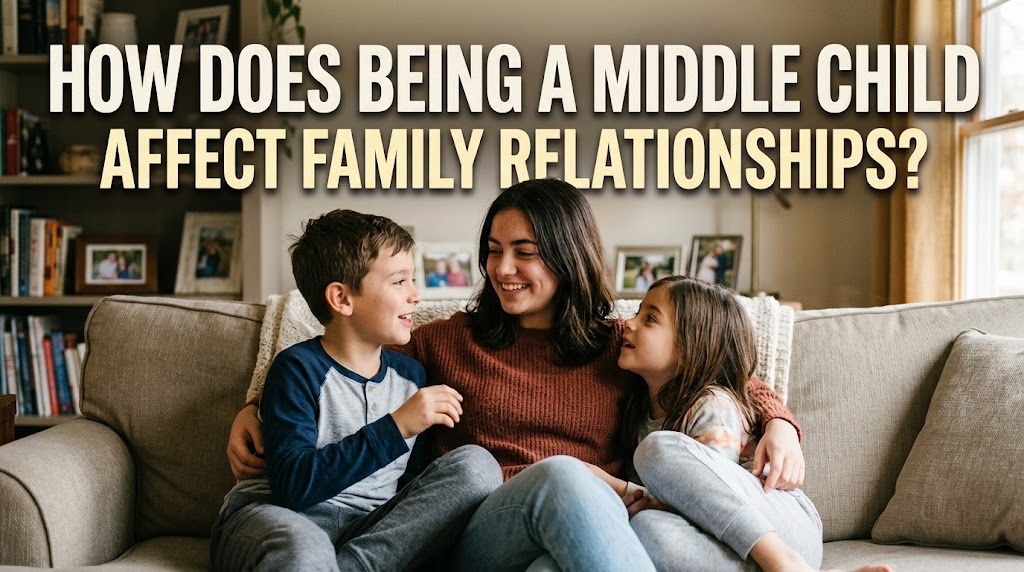
Being a middle child can create a unique position within a family. Unlike the oldest child, who often receives early parental attention and responsibility, or the youngest, who may receive more protection, a middle child grows up between different family roles. This position can influence how children communicate, build relationships with siblings, and interact with their parents. However, birth order does not determine personality or family behavior because every family has different circumstances.
The experience of a middle child can be shaped by factors such as the age gap between siblings, parenting style, family size, and individual personality. Some middle children may become skilled at understanding different perspectives, while others may feel overlooked at certain times. These experiences can affect family relationships in both positive and challenging ways. Understanding these patterns can help families create healthier communication and stronger bonds.
WHY MIDDLE CHILDREN MAY FEEL DIFFERENT?
Middle children sometimes experience a feeling of being caught between siblings. Parents may naturally give the oldest child attention because of new responsibilities, while younger children may need more direct care. As a result, the middle child may receive less individual attention, even when parents do not intentionally ignore them. This experience can make some children more independent and comfortable handling situations on their own.
At the same time, a middle child may develop a strong awareness of how family members interact. They often grow up observing both older and younger siblings and may learn to adjust their behavior depending on the situation. However, this does not mean every middle child feels neglected or has the same experience. Individual family dynamics are more important than birth order alone.
EFFECTS ON SIBLING RELATIONSHIPS
Being a middle child can influence sibling relationships in several ways. A middle child may look up to an older sibling while also becoming a role model for a younger one. This position can encourage cooperation, negotiation, and flexibility because the child interacts with siblings who have different ages and needs. In some families, these experiences help middle children develop close and supportive relationships with their brothers or sisters.
However, sibling relationships can also involve competition and comparison. Middle children may compare their achievements, appearance, attention, or privileges with those of their siblings. If parents frequently compare children, these feelings can become stronger and create tension. Fair treatment, individual recognition, and respectful communication can help reduce unnecessary rivalry.
HOW IT CAN AFFECT PARENT CHILD RELATIONSHIPS?
The relationship between a middle child and parents may sometimes be influenced by the family's distribution of attention. Parents may spend more time helping the oldest child with new responsibilities or caring for a younger child who needs additional assistance. A middle child might therefore learn to become self-reliant or wait for an appropriate moment to ask for help. In some situations, this independence can be a valuable strength.
On the other hand, children still need emotional recognition even when they appear independent. Parents should avoid assuming that a middle child does not need attention simply because they seem capable. Regular conversations, one-on-one activities, and genuine interest in the child's experiences can strengthen the relationship. Feeling seen and valued by parents is important for every child, regardless of birth order.
THE ROLE OF COMMUNICATION IN FAMILY RELATIONSHIPS
Family communication can make a significant difference in how middle children experience their position. When children are encouraged to express their feelings, misunderstandings are less likely to remain hidden. Parents can ask open questions and give each child enough time to speak without immediately comparing their experiences. This approach allows children to feel respected and understood.
Middle children can also benefit from learning to communicate their needs clearly. Instead of expecting parents or siblings to recognize their feelings automatically, they can explain when they need support, attention, or personal space. Healthy communication should work in both directions, with parents listening and children learning to express themselves. Over time, this can create more balanced and trusting family relationships.
POSITIVE STRENGTHS THAT MAY DEVELOP
The middle-child position can provide opportunities to develop useful social skills. Because middle children often interact with siblings at different developmental stages, they may become comfortable negotiating and finding compromises. Some may also become good listeners because they are familiar with different viewpoints within the household. These abilities can support friendships, teamwork, and other relationships outside the family.
Another possible strength is adaptability. Middle children may learn to adjust to changing family situations and find their own identity rather than simply following the path of an older or younger sibling. They may also become supportive when conflicts arise between family members. Still, these strengths should not be treated as guaranteed characteristics because personality develops through many factors beyond birth order.
CHALLENGES THAT CAN APPEAR OVER TIME
One potential challenge is the feeling of being overlooked or less recognized. This can happen when a child's achievements receive less attention than those of other siblings. Another challenge may involve comparisons, especially when family members unintentionally describe one child as more successful, responsible, talented, or difficult than another. Repeated comparisons can affect confidence and create resentment between siblings.
Some middle children may also struggle to establish a clear identity within the family. They might feel pressure to be different from the oldest sibling while still receiving expectations similar to the younger one. These challenges are not inevitable, but they show why individual attention and emotional support matter. Families can help by recognizing each child's unique interests, accomplishments, and needs.
HOW FAMILIES CAN BUILD STRONGER BONDS?
Parents can support middle children by making time for individual connection rather than focusing only on the family as a group. Simple activities such as talking together, sharing a meal, or discussing the child's interests can provide meaningful attention. Parents should also recognize achievements based on personal progress instead of comparing siblings. This helps children understand that their value does not depend on being better than someone else.
Siblings also play an important role in creating healthy family relationships. Respecting personal boundaries, avoiding unnecessary competition, and appreciating each other's differences can make sibling bonds stronger. When disagreements happen, family members should focus on solving the problem instead of assigning blame. A supportive family environment allows every child to feel included, heard, and valued.
CONCLUSION
Being a middle child can influence family relationships, but it does not automatically determine how a person will behave or feel. The position between older and younger siblings may create unique experiences involving independence, negotiation, comparison, and attention. These experiences can sometimes become challenges, but they can also encourage valuable social and emotional skills. The impact depends greatly on parenting, sibling relationships, family circumstances, and individual personality.
The most important factor is not birth order itself but how family members treat one another. Open communication, equal respect, individual attention, and emotional support can help middle children develop healthy relationships with parents and siblings. When every child is given space to express themselves and feel appreciated, birth order becomes less important in determining family closeness.
About the Author
Gusti Ayu Tita P
Author — STEKOM University
An active author focused on academic issues, educational technology, and human resource development in the campus environment.















