
How Does Electronic Stamp Duty Simplify Digital Document Processing?
Gusti Ayu Tita P
21 Agustus 2026
INTRODUCTION TO ELECTRONIC STAMP DUTY
Electronic stamp duty is a digital form of stamp duty used to fulfill applicable tax obligations on certain electronic documents. It is designed to support transactions that are increasingly conducted through digital platforms rather than physical paperwork. Electronic stamp duty helps organizations process documents without depending entirely on printed documents and physical stamps. This approach can make document administration more practical, especially for businesses that handle many contracts and agreements. As digital transactions continue to grow, understanding how electronic stamp duty works has become increasingly important.
The use of electronic documents offers several advantages for modern administration. Documents can be created, exchanged, stored, and reviewed electronically, reducing the need to move physical paperwork between parties. Electronic processing can also shorten administrative procedures and make document management easier to organize. However, users still need to understand the applicable requirements, payment procedures, and proper placement of electronic stamp duty. Following the correct process helps reduce administrative errors and supports better document compliance.
HOW ELECTRONIC STAMP DUTY SIMPLIFIES DOCUMENT PROCESSING
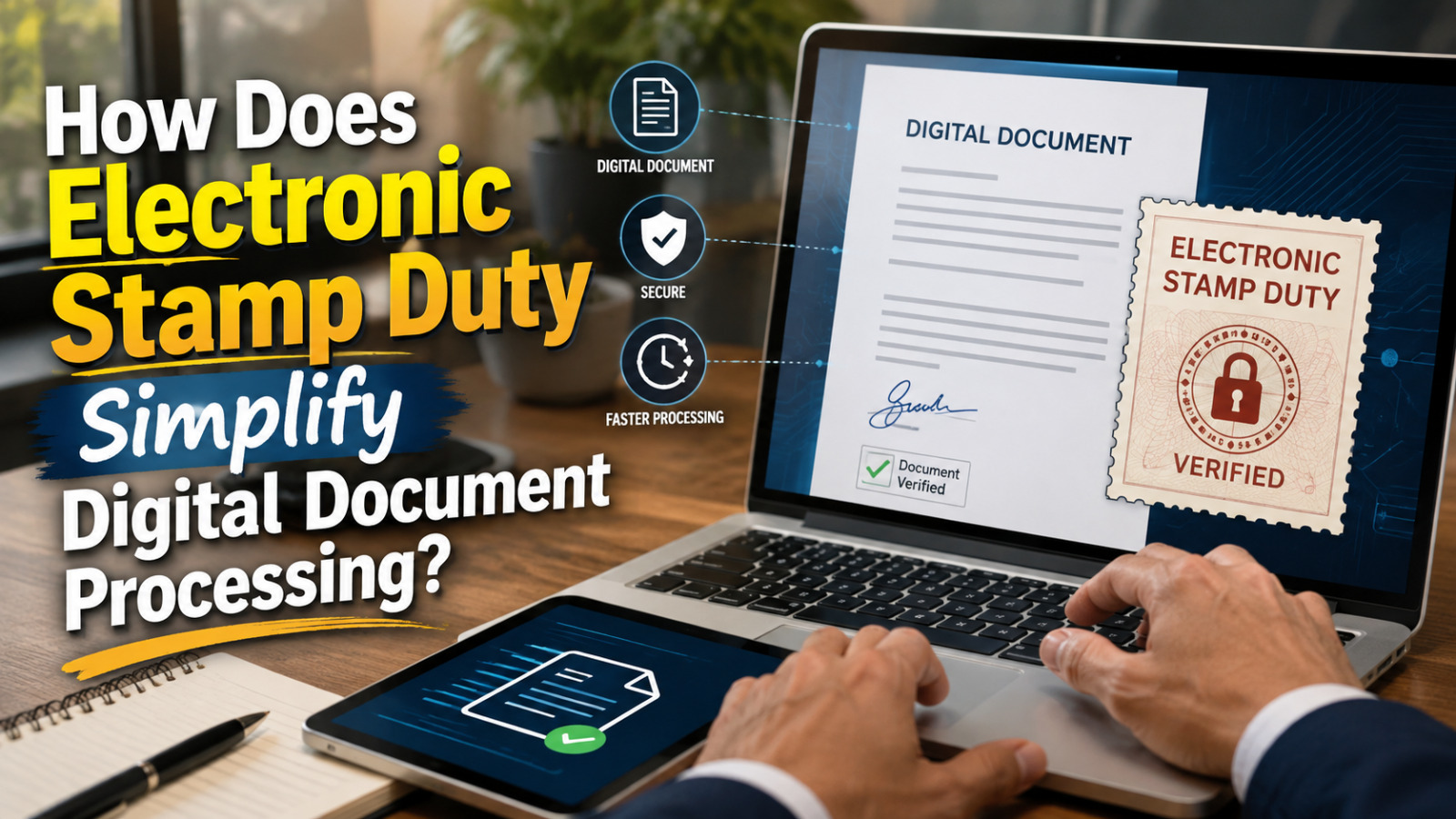
One of the main advantages of electronic stamp duty is its ability to simplify the process of handling documents digitally. Traditional paper-based administration may require printing, signing, attaching a physical stamp, scanning, and sending the document again. With electronic stamp duty, the applicable stamp duty can be fulfilled through a digital process. This eliminates several unnecessary physical steps and allows documents to remain in electronic form. As a result, businesses can manage documents more efficiently, particularly when transactions involve multiple parties or locations.
Electronic processing can also make document workflows easier to coordinate. Employees can prepare documents electronically and complete the required administrative process without waiting for physical materials to arrive. Digital workflows can reduce processing time, paperwork, and the risk of documents being misplaced during physical handling. Organizations can also establish standardized procedures for electronic documents, making routine administration more consistent. Nevertheless, electronic stamp duty does not replace other legal requirements that may apply to a document, such as signatures, identification, or contractual requirements.
BENEFITS FOR BUSINESSES AND DIGITAL TRANSACTIONS
Electronic stamp duty can provide practical benefits for businesses that frequently create contracts, agreements, statements, and other documents subject to stamp duty. Faster document processing can help companies respond more efficiently to customers, suppliers, employees, and business partners. Digital processing can also reduce dependence on printing and physical document delivery. This is particularly useful for companies operating across different cities or regions. When properly implemented, electronic stamp duty can become part of a more efficient digital administration system.
Another important benefit is improved document organization. Electronic files can be stored in centralized digital systems, making them easier to categorize and retrieve when needed. Better document organization can support administrative efficiency and reduce the possibility of losing important paperwork. Businesses may also find it easier to maintain internal records of completed transactions and related documents. However, organizations should still apply appropriate access controls, backups, and document security measures to protect sensitive information.
WHAT USERS SHOULD CONSIDER BEFORE USING IT
Before applying electronic stamp duty, users should determine whether the document is subject to stamp duty under the applicable regulations. Not every electronic document automatically requires stamp duty, so understanding the relevant rules is essential. Users should also make sure that the document details are correct before completing the process. Errors in names, document information, or other important details can create administrative complications. Checking the document carefully before final processing is therefore an important step.
Users should also obtain electronic stamp duty through an authorized and official channel and follow the applicable procedure. The electronic stamp duty should be applied to the appropriate document according to the current requirements. Businesses can further improve the process by creating internal guidelines for employees who regularly handle contracts and other electronic documents. Keeping records of completed transactions can also help with future verification and administration. By combining proper procedures with careful document management, organizations can use electronic stamp duty more effectively.
CONCLUSION
Electronic stamp duty provides a practical way to support the processing of documents in an increasingly digital business environment. It can reduce physical paperwork, simplify administrative workflows, and support faster document handling. These benefits are especially valuable for businesses that manage large numbers of contracts and electronic transactions. However, users must still understand the applicable regulations and complete the process correctly. Electronic stamp duty should therefore be viewed as part of a broader digital document management system rather than as a replacement for every other legal or administrative requirement.
As digital administration continues to develop, the ability to process documents electronically will become increasingly valuable. Proper use of electronic stamp duty can help organizations build more efficient, organized, and paperless workflows. Careful verification and the use of authorized services remain essential to ensure compliance. With the right procedures, electronic stamp duty can make everyday document processing more convenient while supporting modern business operations.
About the Author
Gusti Ayu Tita P
Author — STEKOM University
An active author focused on academic issues, educational technology, and human resource development in the campus environment.















