
How Does Fingerprint Scanning Technology Work?
Gusti Ayu Tita P
14 September 2026
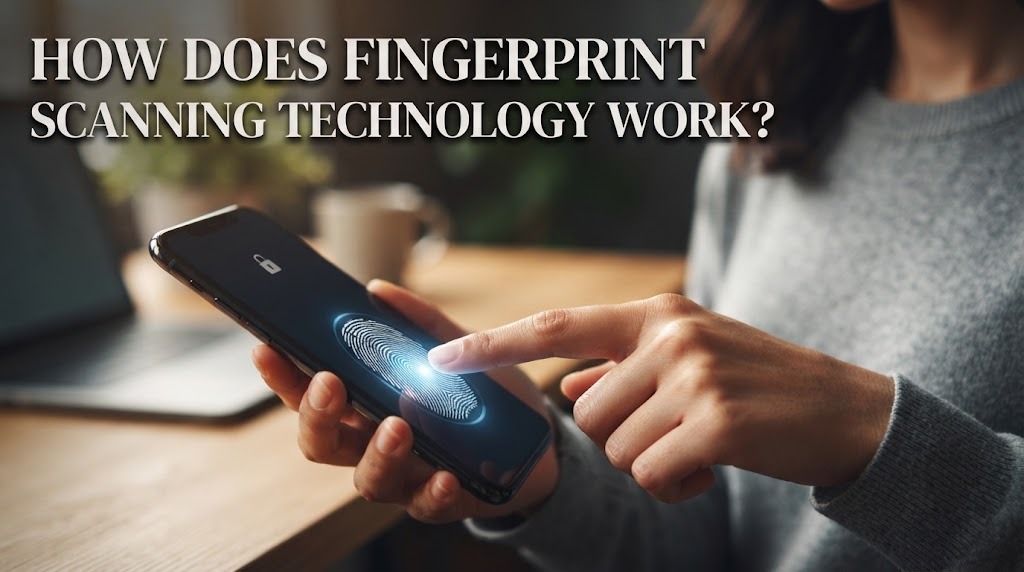
Fingerprint scanning technology is a biometric system that recognizes a person by analyzing the unique patterns on their fingertips. The scanner captures the ridges and valleys of a finger and converts them into digital information. This information is then processed and compared with previously registered data. Fingerprint scanners are now commonly used in smartphones, attendance machines, access control systems, and other security devices. Their fast and convenient operation makes them useful for everyday authentication.
THE FINGERPRINT SCANNING PROCESS
The scanning process begins when a user places their finger on or near the fingerprint sensor. The sensor captures the physical characteristics of the fingertip and produces a digital representation of the fingerprint. The system then processes the captured information to improve its quality and identify important features. These features may include ridge endings, bifurcations, and other distinctive details. The processed information is used to compare the fingerprint with registered biometric data.
After the fingerprint has been analyzed, the system determines whether there is a sufficient match. If the captured fingerprint meets the system's matching requirements, access or authentication can be approved. If the information does not match closely enough, the system may reject the attempt. This entire process can usually be completed within seconds, making fingerprint authentication practical for many situations.
OPTICAL FINGERPRINT SCANNERS
Optical scanners use light and an image sensor to capture an image of the fingerprint. When a finger touches the scanning surface, the ridges and valleys reflect light differently. The sensor records these differences and creates a digital image of the fingerprint. Software then analyzes the image to extract useful characteristics.
Optical technology has been used in many traditional fingerprint systems and remains a common scanning method. However, the quality of the captured image can be affected by dirt, moisture, lighting conditions, or the condition of the scanning surface. Proper sensor design and image processing can help improve the quality of the result. The system still needs reliable software to accurately interpret the captured fingerprint.
CAPACITIVE FINGERPRINT SCANNERS
Capacitive scanners use electrical properties to detect differences between the ridges and valleys of a fingerprint. When a finger touches the sensor, different parts of the skin create variations in electrical signals. The scanner uses these variations to build a digital representation of the fingerprint. This technology is commonly associated with fingerprint sensors found in electronic devices.
One advantage of capacitive technology is that it can provide detailed fingerprint information from direct contact with the sensor. However, the scanning process can still be affected by factors such as wet fingers, dirty sensors, or damaged skin. Modern devices use software and sensor improvements to reduce these problems. The goal is to capture enough accurate information for reliable biometric verification.
FINGERPRINT DATA PROCESSING AND MATCHING
Once a scanner captures a fingerprint, the system does not simply depend on the original image. It processes the information and extracts distinctive fingerprint features. These features can be converted into a biometric template that represents important characteristics of the fingerprint. When the user scans their finger again, the new data is compared with the registered template.
The system uses a matching algorithm to determine whether the two sets of information are sufficiently similar. A security threshold is normally established to decide when a match should be accepted. A higher security requirement may reduce the chance of false acceptance but can sometimes increase rejected attempts. Therefore, fingerprint systems must balance security and convenience when processing biometric data.
FACTORS THAT AFFECT SCANNING ACCURACY
Fingerprint scanning works best when the finger and sensor are in good condition. Clean and dry fingers usually provide clearer readings than fingers covered with excessive moisture, dirt, or oil. Incorrect finger placement can also prevent the scanner from capturing enough useful information. Cuts, burns, or other temporary changes to the fingertip may affect the scanning result.
The condition of the scanner can also influence performance. Dust, scratches, or damaged sensors may reduce the quality of fingerprint capture. Regular cleaning and proper maintenance can help keep the scanner functioning effectively. Users should also place their fingers correctly and follow the instructions provided by the device.
CONCLUSION
Fingerprint scanning technology works by capturing the unique characteristics of a person's fingertip and converting them into digital information. Different scanners, including optical and capacitive sensors, use different methods to detect fingerprint patterns. The captured data is processed, converted into a biometric template, and compared with registered information. Factors such as dirty fingers, moisture, damaged skin, and sensor conditions can affect accuracy. With proper design and maintenance, fingerprint scanning can provide a fast and practical method of biometric authentication.
About the Author
Gusti Ayu Tita P
Author — STEKOM University
An active author focused on academic issues, educational technology, and human resource development in the campus environment.