
How Does Indonesian History Shape National Identity?
Gusti Ayu Tita P
5 Agustus 2026
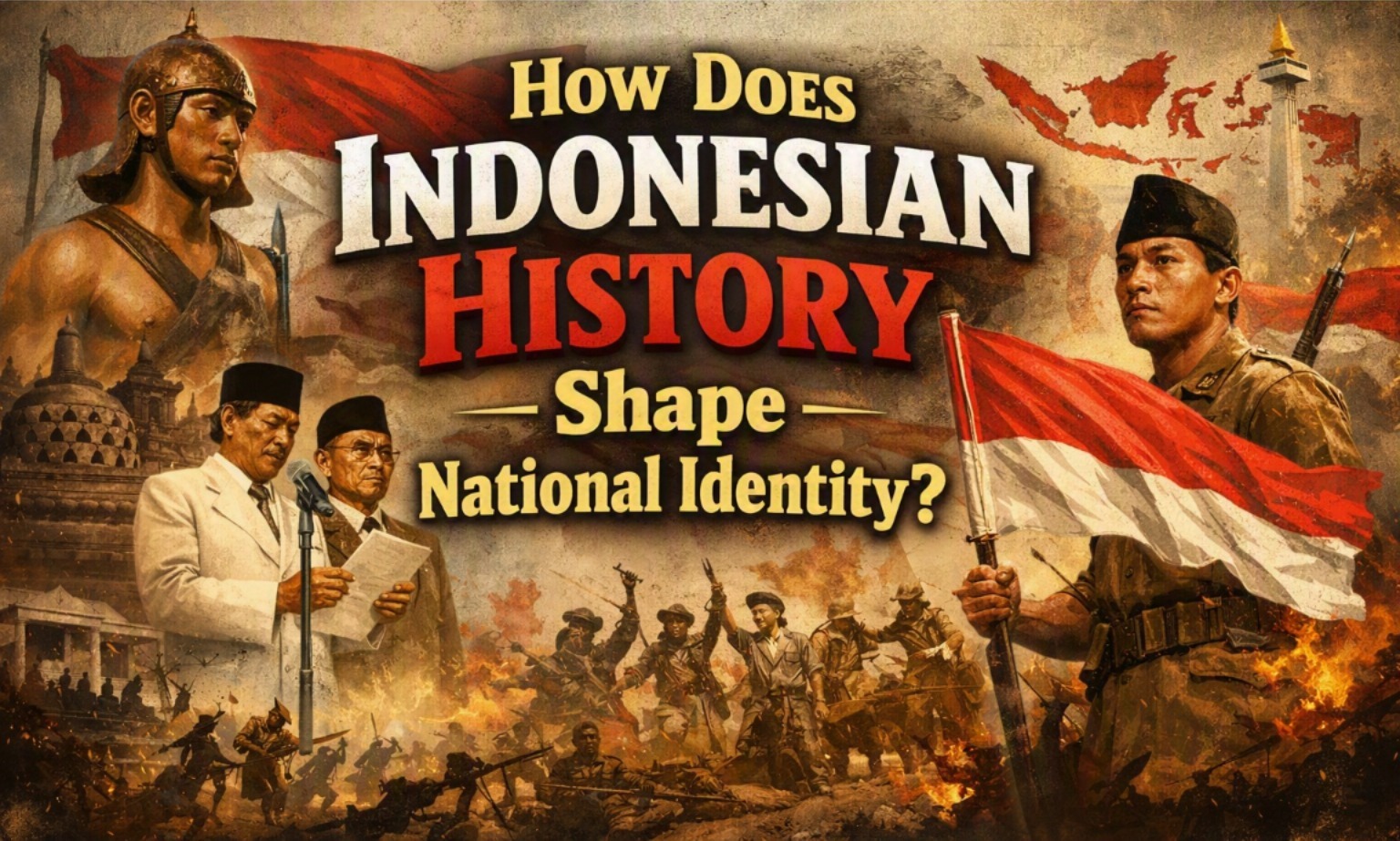
Indonesia is a country with a long and diverse historical journey that has greatly influenced its national identity. From the rise of ancient kingdoms to the struggle for independence, every historical period has contributed to shaping the values, culture, and character of the Indonesian people. Understanding Indonesian history helps citizens appreciate the sacrifices of previous generations while strengthening their sense of unity. It also provides valuable lessons about resilience, cooperation, and national pride. As a result, history remains an essential foundation for preserving Indonesia's identity in the modern era.
THE IMPORTANCE OF INDONESIAN HISTORY IN BUILDING NATIONAL IDENTITY
Indonesian history serves as the foundation for understanding how the nation developed over centuries. Historical events demonstrate how people from different ethnicities, religions, and cultures learned to work together despite their differences. This shared experience helped create a strong sense of belonging to one nation. It also introduced important national values such as unity, respect, and mutual cooperation.
The history of Indonesia teaches that national identity is not formed overnight. It grows through continuous struggles, achievements, and cooperation among its people. Learning about historical events encourages younger generations to appreciate their country's heritage while understanding the importance of protecting national unity. As society changes, history continues to remind Indonesians of the principles that unite them.
THE ROLE OF ANCIENT KINGDOMS IN SHAPING INDONESIA
Long before independence, Indonesia was home to many influential kingdoms such as Sriwijaya, Majapahit, and several Islamic sultanates. These kingdoms contributed to the development of trade, education, governance, religion, and culture throughout the archipelago. Their achievements strengthened connections between different regions and introduced ideas that later influenced the formation of Indonesia as a nation. Many cultural traditions that exist today originated during these historical periods.
The legacy of these kingdoms can still be seen in historical monuments, traditional ceremonies, literature, and local customs. They also demonstrated that cooperation among diverse communities was possible long before the modern state existed. By studying these civilizations, Indonesians gain a deeper understanding of their cultural roots and historical continuity. This knowledge strengthens pride in the nation's rich heritage.
THE STRUGGLE FOR INDEPENDENCE AND NATIONAL UNITY
The struggle for independence became one of the most significant chapters in Indonesian history. People from various regions united against colonial rule despite differences in language, ethnicity, and religion. Their shared goal of achieving freedom created a powerful sense of national solidarity. Heroes across the country demonstrated remarkable courage, determination, and selflessness in defending their homeland.
Indonesia's independence also highlighted the importance of collective responsibility in building a nation. The sacrifices made during this period continue to inspire citizens to protect democracy, maintain peace, and contribute to national development. Remembering these historical struggles strengthens appreciation for freedom and encourages future generations to uphold the values established by the nation's founders.
CULTURAL DIVERSITY AS A SYMBOL OF NATIONAL IDENTITY
Indonesia's cultural diversity is one of its greatest strengths and an important part of its national identity. The country consists of hundreds of ethnic groups, local languages, traditional arts, and unique customs spread across thousands of islands. History shows that these diverse communities have coexisted for centuries while maintaining their individual traditions. This diversity enriches the nation's cultural heritage and strengthens social harmony.
Rather than creating division, Indonesia's historical experience demonstrates that diversity can become a source of unity. The national motto Bhinneka Tunggal Ika reflects the belief that differences should be respected while maintaining one national identity. Understanding this historical principle helps people appreciate cultural diversity as a valuable national asset that should be preserved for future generations.
WHY LEARNING HISTORY MATTERS FOR FUTURE GENERATIONS?
Studying Indonesian history allows young people to understand both the successes and challenges faced by previous generations. Historical knowledge develops critical thinking by encouraging people to analyze causes, consequences, and lessons from important events. It also helps students recognize the importance of national values such as responsibility, cooperation, and tolerance. These lessons remain relevant in addressing modern social and global challenges.
History also inspires citizens to actively participate in building a stronger Indonesia. By understanding the nation's journey, people become more aware of their role in preserving cultural heritage, maintaining unity, and supporting sustainable development. Learning history is therefore not only about remembering the past but also about preparing for a better future based on shared national values.
CONCLUSION
Indonesian history plays a central role in shaping the country's national identity by connecting generations through shared experiences, cultural heritage, and the struggle for independence. It teaches valuable lessons about unity, diversity, resilience, and cooperation that remain relevant today. By understanding history, Indonesians can strengthen their appreciation for their nation's achievements while preserving its unique identity. History is more than a record of past events—it is a guide for building a united, peaceful, and prosperous future.
About the Author
Gusti Ayu Tita P
Author — STEKOM University
An active author focused on academic issues, educational technology, and human resource development in the campus environment.















