How Does LDKS Improve Students’ Communication Skills?
Gusti Ayu Tita P
19 September 2026
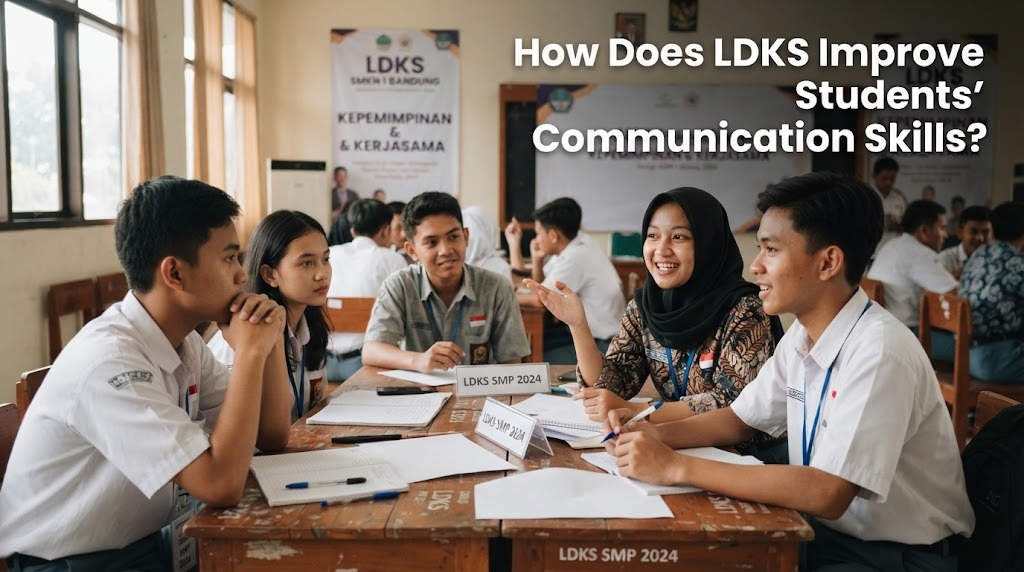
LDKS, or Student Leadership Training, is a school activity that helps students develop leadership and interpersonal abilities through practical experiences. One important skill that can be improved through LDKS is communication. Students participate in discussions, teamwork, presentations, and activities that require them to express ideas clearly. These experiences can help students become more confident and effective when communicating with others.
WHAT IS LDKS AND WHY IS COMMUNICATION IMPORTANT?
LDKS is a training program that introduces students to important leadership skills through various individual and group activities. Communication is an important part of leadership because students need to share information, understand instructions, and work with different people. During LDKS, students have opportunities to practice speaking and listening in different situations. This makes communication a practical skill rather than only a concept learned in the classroom.
Good communication can also reduce misunderstandings during group activities. Students learn that communicating effectively requires clear language, active listening, and respect for other people's opinions. These habits can help them interact more positively with classmates, teachers, and other members of their school community.
HOW DOES LDKS IMPROVE PUBLIC SPEAKING SKILLS?
Public speaking activities can give students opportunities to express their ideas in front of a group. During LDKS, students may be asked to present information, explain a task, lead a discussion, or report group results. These activities encourage students to organize their thoughts before speaking. Regular practice can make students more comfortable when speaking in front of others.
Students may feel nervous when they first have to speak publicly. However, repeated practice can help them manage nervousness and communicate their ideas more clearly. They can also learn how to use an appropriate voice, structure their message, and respond to questions. As a result, public speaking skills can become an important part of their communication development.
WHY DOES TEAMWORK STRENGTHEN COMMUNICATION?
Teamwork is an important part of LDKS because many activities require students to work toward a shared goal. Students need to exchange ideas, divide responsibilities, and coordinate tasks with their group members. These activities teach them how to communicate information in a way that other people can understand. They also learn that successful teamwork depends on effective communication.
Working in a group can expose students to different personalities and opinions. When disagreements occur, students can practice discussing problems calmly instead of ignoring or immediately rejecting different ideas. They learn to listen carefully and respond appropriately. These experiences can improve teamwork communication and help students cooperate more effectively.
HOW DOES LDKS DEVELOP ACTIVE LISTENING?
Communication is not only about speaking; active listening is equally important. During LDKS, students may need to listen to instructions from instructors, understand their teammates' ideas, and respond to questions. Paying attention helps students understand information accurately before giving a response. This can prevent unnecessary misunderstandings during group activities.
Students can also learn to show respect while others are speaking. They may practice waiting for their turn, asking relevant questions, and considering another person's opinion. These simple habits can make conversations more productive. Over time, listening skills can help students communicate better in academic, social, and organizational situations.
HOW CAN LDKS HELP STUDENTS EXPRESS THEIR IDEAS?
Some students may have good ideas but feel unsure about sharing them. LDKS creates opportunities for students to contribute ideas during discussions and group tasks. They can practice explaining their opinions using simple and organized language. When their ideas are listened to by others, students may become more willing to participate in future conversations.
Students can also learn that having a different opinion does not automatically mean being wrong. They can explain their reasoning while still respecting other perspectives. This encourages confident communication and helps students become more open during discussions. Such skills can be useful when participating in classroom activities, school organizations, and future workplaces.
HOW DOES LDKS TEACH STUDENTS TO COMMUNICATE RESPONSIBLY?
Responsible communication means delivering information honestly, clearly, and respectfully. During LDKS, students may be given responsibilities that require them to share instructions, report information, or coordinate activities. These situations teach students to consider the accuracy and clarity of the information they provide. They also learn that poor communication can affect the work of an entire team.
Students can develop better communication habits by thinking before they speak and choosing appropriate words. They can also learn to give feedback without insulting or discouraging others. These habits support respectful communication and can contribute to a healthier group environment. In the long term, responsible communication can become an important part of good leadership.
CONCLUSION
LDKS can improve students' communication skills by providing practical opportunities to practice public speaking, active listening, teamwork, idea sharing, and responsible communication. Students learn to express their thoughts more clearly while also understanding the importance of listening to others. Group activities and discussions give them valuable opportunities to communicate in different situations.
The communication skills developed through LDKS can be useful both inside and outside school. Students can become more prepared to participate in discussions, work with teams, present ideas, and handle differences respectfully. With continuous practice, effective communication skills can support their personal development, education, and future careers.
About the Author
Gusti Ayu Tita P
Author — STEKOM University
An active author focused on academic issues, educational technology, and human resource development in the campus environment.