How Does LDKS Teach Students to Work Together as a Team?
Gusti Ayu Tita P
19 September 2026
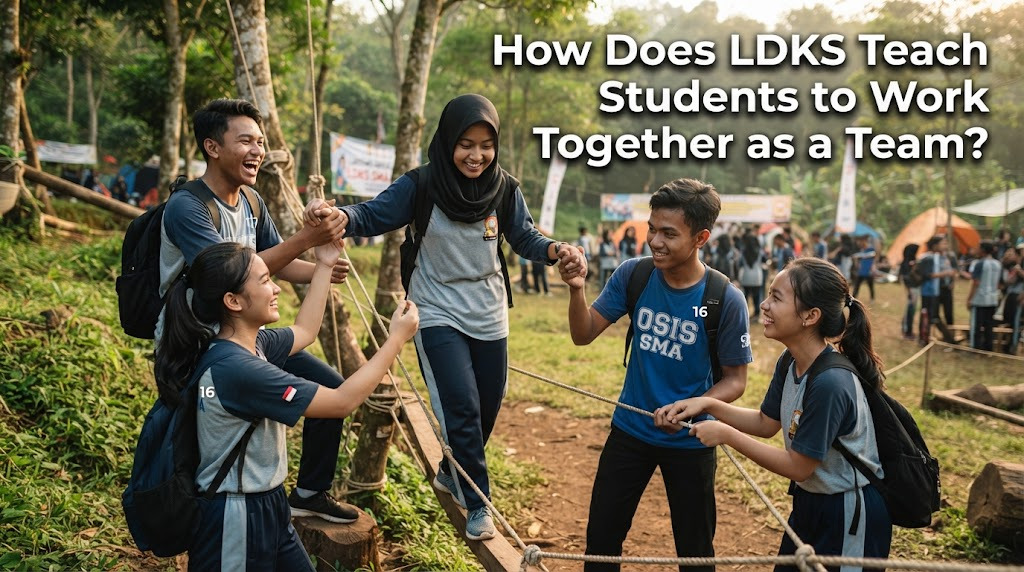
LDKS, or Latihan Dasar Kepemimpinan Siswa, is a student leadership training program that helps students develop leadership, communication, responsibility, and organizational skills. One important part of LDKS is learning how to work together as a team. Students are placed in situations where they need to communicate, share responsibilities, and complete tasks with other participants. These experiences can show students that achieving a common goal often requires cooperation. Teamwork is also important because students will encounter group projects, organizations, and collaborative situations throughout their education and future careers.
LDKS does not only explain the meaning of teamwork through theory. Students can practice teamwork through group discussions, leadership games, problem-solving activities, and team challenges. Each activity gives students opportunities to interact with people who may have different opinions and abilities. This can help them understand the importance of respecting differences. Through repeated practice, students can become more comfortable working with others.
HOW DO GROUP ACTIVITIES DEVELOP TEAMWORK?
Group activities are one of the most common ways LDKS teaches students about teamwork. Participants may be divided into small groups and given a specific task that needs to be completed together. Each member may receive a different role based on the requirements of the activity. Students need to communicate and coordinate their actions to achieve the team's objective. This experience helps them understand that every member can contribute to the success of a group.
Group activities can also reveal the importance of shared responsibility. When one member does not complete their role, other members may need to provide support or adjust their plans. Students can learn that teamwork requires reliability and willingness to help others. They can also discover that successful teams are not necessarily made up of people with identical skills. Instead, different abilities can complement each other when they are managed effectively.
HOW DOES LDKS TEACH STUDENTS TO COMMUNICATE?
Effective communication is an important foundation of teamwork. During LDKS, students may participate in discussions, presentations, and group challenges that require them to exchange information. They need to explain ideas clearly and listen carefully to their teammates. Good communication helps the group understand its objectives and divide tasks more effectively. It can also reduce misunderstandings during challenging activities.
LDKS can teach students that communication involves more than simply speaking. Active listening and respect for different opinions are also important. Students may encounter teammates who have different approaches to completing a task. Instead of immediately rejecting another person's idea, they can learn to discuss the advantages and disadvantages of each suggestion. This process can help students build healthier and more productive teamwork habits.
HOW DO LEADERSHIP GAMES ENCOURAGE COOPERATION?
Leadership games can make teamwork practice more interactive and engaging. Students may be given puzzles, challenges, or tasks that require cooperation within a limited amount of time. They need to develop strategies and decide how each member can contribute. These activities encourage students to communicate while working toward a shared objective. The experience can demonstrate that cooperation is often necessary to solve complex problems.
After completing a game, trainers can encourage students to discuss what happened during the activity. They may identify which communication methods worked well and which actions caused difficulties. Reflection allows students to connect the experience with real situations in school organizations and group projects. This makes leadership games more than entertainment because students can learn practical lessons from them.
HOW DOES LDKS TEACH STUDENTS TO RESPECT DIFFERENT OPINIONS?
Working in a team means dealing with people who have different personalities, experiences, and ideas. LDKS can introduce students to this situation through group discussions and collaborative tasks. Students may disagree about how to solve a problem or divide responsibilities. They can learn to express their opinions respectfully while giving other members an opportunity to speak. This helps create an environment where different ideas can be considered.
Respecting different opinions does not mean accepting every idea without discussion. Students can learn to compare suggestions based on the group's objectives and available information. Tolerance, empathy, and open communication can help them manage disagreements more constructively. These abilities are useful when students participate in organizations, classroom projects, and other collaborative activities.
HOW DOES LDKS BUILD TRUST AND RESPONSIBILITY?
Trust and responsibility are important elements of effective teamwork. During LDKS activities, students may depend on their teammates to complete specific tasks. When each person fulfills their responsibilities, the group can work more efficiently. Students gradually learn that trust develops when people consistently keep their commitments. This can encourage them to become more reliable team members.
Students can also learn that supporting teammates is part of teamwork. If a member has difficulty completing a task, others can provide assistance when appropriate. Mutual support can strengthen relationships within the group and make it easier to achieve shared goals. Through these experiences, students can understand that teamwork is based on cooperation rather than competition between individuals.
CONCLUSION
LDKS teaches students to work together through practical activities that encourage communication, cooperation, responsibility, and mutual respect. Group discussions, leadership games, problem-solving tasks, and team challenges give students opportunities to practice teamwork directly. They can learn how to divide responsibilities, listen to different opinions, solve problems, and support their teammates. These experiences can help students become more comfortable working with people who have different abilities and perspectives. Ultimately, LDKS can provide valuable teamwork skills that students can apply in school, organizations, higher education, and future workplaces.
About the Author
Gusti Ayu Tita P
Author — STEKOM University
An active author focused on academic issues, educational technology, and human resource development in the campus environment.