
How Does Love Language Show Someone’s Feelings?
Gusti Ayu Tita P
11 September 2026
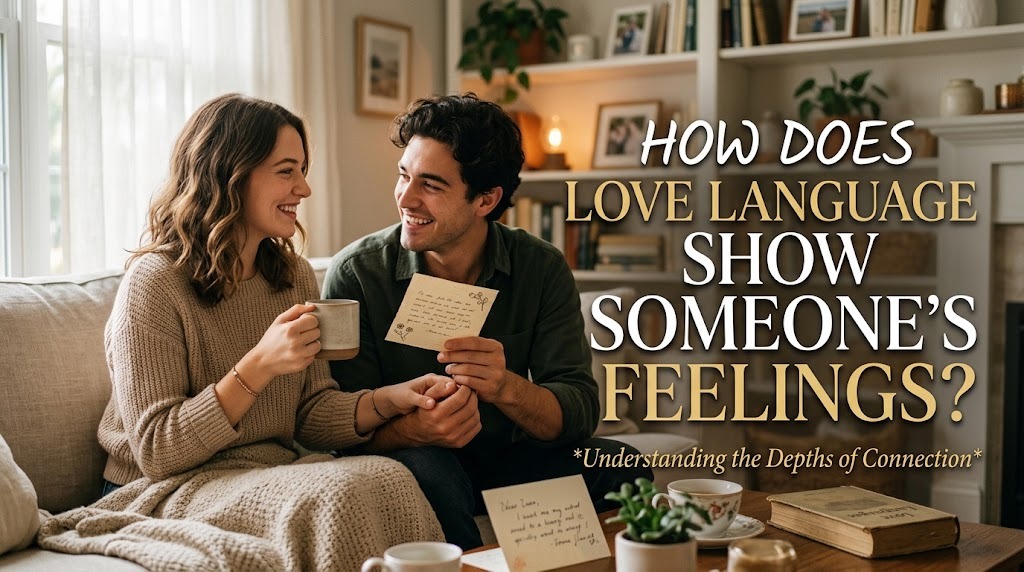
Love language can reveal how a person expresses affection and emotional care toward someone they value. People do not always communicate their feelings through direct words such as saying they love or appreciate someone. Instead, they may show their feelings through daily actions, attention, support, or the way they spend time with another person. Understanding these behaviors can make it easier to recognize the emotions behind simple gestures.
However, love language should not be treated as a perfect way to read someone's mind. A person may express affection differently depending on their personality, experiences, mood, and situation. Communication and consistent behavior are still important when trying to understand someone's true feelings. Love language is best used as a helpful guide for noticing how affection may be expressed.
ATTENTION SHOWS THAT SOMEONE CARES
One of the clearest ways love language can show feelings is through consistent attention. A person who cares may remember small details, ask about your day, or notice when something seems different. These actions suggest that they are paying attention to your experiences rather than simply interacting with you out of habit. Even simple questions can become meaningful when they are asked sincerely.
Attention can also be seen in the way someone listens. When a person remembers something you mentioned previously, it may show that your words mattered to them. They may also check on you when they know you are dealing with something difficult. These small behaviors can provide clues about the level of care they are willing to show.
WORDS CAN REVEAL APPRECIATION
Words of affirmation can show feelings through encouragement, appreciation, and emotional reassurance. Someone may regularly thank you, compliment your efforts, or remind you that they believe in you. These expressions can show that they notice your qualities and want you to feel valued. Sincere words can be especially meaningful when they are specific rather than simply repeated.
The way someone communicates can also reveal emotional closeness. They may feel comfortable sharing their thoughts, expressing gratitude, or talking about things that matter to them. However, words should be considered together with actions. Affectionate words become more meaningful when they are supported by consistent behavior.
TIME SHOWS A WILLINGNESS TO BE PRESENT
Spending quality time can reveal that someone considers the relationship important. A person may make an effort to talk, meet, or share activities even when they have other responsibilities. Making time for someone does not necessarily mean being together constantly. It means choosing to be present and giving genuine attention when there is an opportunity to connect.
The quality of that time also matters. Someone who listens carefully, puts away unnecessary distractions, and participates in conversations may be showing genuine interest. These behaviors can communicate that the relationship has emotional value. For some people, being present is one of the strongest ways to express affection.
ACTIONS CAN SPEAK LOUDER THAN WORDS
Acts of service can reveal feelings through practical support. Someone may help with a difficult task, offer assistance during a stressful day, or take care of a small responsibility without being asked. Helpful actions can demonstrate concern because the person is willing to invest time and effort to make another person's situation easier.
These actions do not have to be dramatic. Bringing food when someone is tired or helping them solve a simple problem can already communicate care. The meaning comes from the intention behind the action and whether it is done willingly. When practical support is consistent, it can become an important expression of affection.
THOUGHTFUL GIFTS CAN SHOW EMOTIONAL ATTENTION
Gifts can also communicate feelings when they are chosen with thought and personal meaning. A person may remember your favorite snack, notice something you have been interested in, or bring back a small item from a trip. The financial value of the gift is not necessarily important. What matters is the thought and attention involved in choosing it.
A thoughtful gift can show that someone remembers details about you. It may also communicate that they were thinking about you even when you were not together. However, receiving gifts should not automatically be interpreted as proof of romantic feelings. The meaning depends on the broader relationship and the person's overall behavior.
PHYSICAL AFFECTION CAN SHOW CLOSENESS
Physical touch can be another way people communicate emotional feelings. Hugs, holding hands, sitting close, or other mutually comfortable forms of affection can create a sense of warmth and connection. For some people, physical affection feels more natural than expressing emotions through words. It can provide reassurance without requiring a long conversation.
At the same time, physical touch must always respect personal boundaries and consent. Not everyone feels comfortable expressing affection in the same way. A person's comfort level can also change depending on the situation. Therefore, physical affection should be understood together with communication and respect.
CONSISTENCY HELPS REVEAL GENUINE FEELINGS
A single romantic gesture does not always provide enough information about someone's feelings. Consistency is often more meaningful than occasional grand gestures because it shows whether care continues over time. Someone who regularly checks on you, respects your boundaries, listens to you, and supports you may be demonstrating genuine emotional investment.
Consistency does not mean someone must be available every moment. People have responsibilities, personal boundaries, and different ways of managing their time. What matters is whether their words and actions generally match. When affection is supported by respect, honesty, and reliable behavior, it becomes easier to understand what the relationship means to them.
CONCLUSION
Love language can show someone's feelings through attention, words, quality time, helpful actions, thoughtful gifts, and appropriate physical affection. These behaviors can provide clues about how a person expresses care and emotional connection. Small gestures can become meaningful when they are sincere and consistently directed toward someone they value. Understanding these patterns can help people become more aware of the emotions behind everyday interactions.
Still, love language should not be used as the only way to determine someone's feelings. Open communication, consistent actions, respect, and trust provide a more complete picture of a person's intentions. Different people express affection in different ways, so one person's behavior may not look the same as another's. Ultimately, understanding love language means learning to notice both what someone does and how consistently they treat the relationship.
About the Author
Gusti Ayu Tita P
Author — STEKOM University
An active author focused on academic issues, educational technology, and human resource development in the campus environment.















