
How Does Scouting Build Patriotism And Social Awareness Among Youth?
Gusti Ayu Tita P
31 Juli 2026
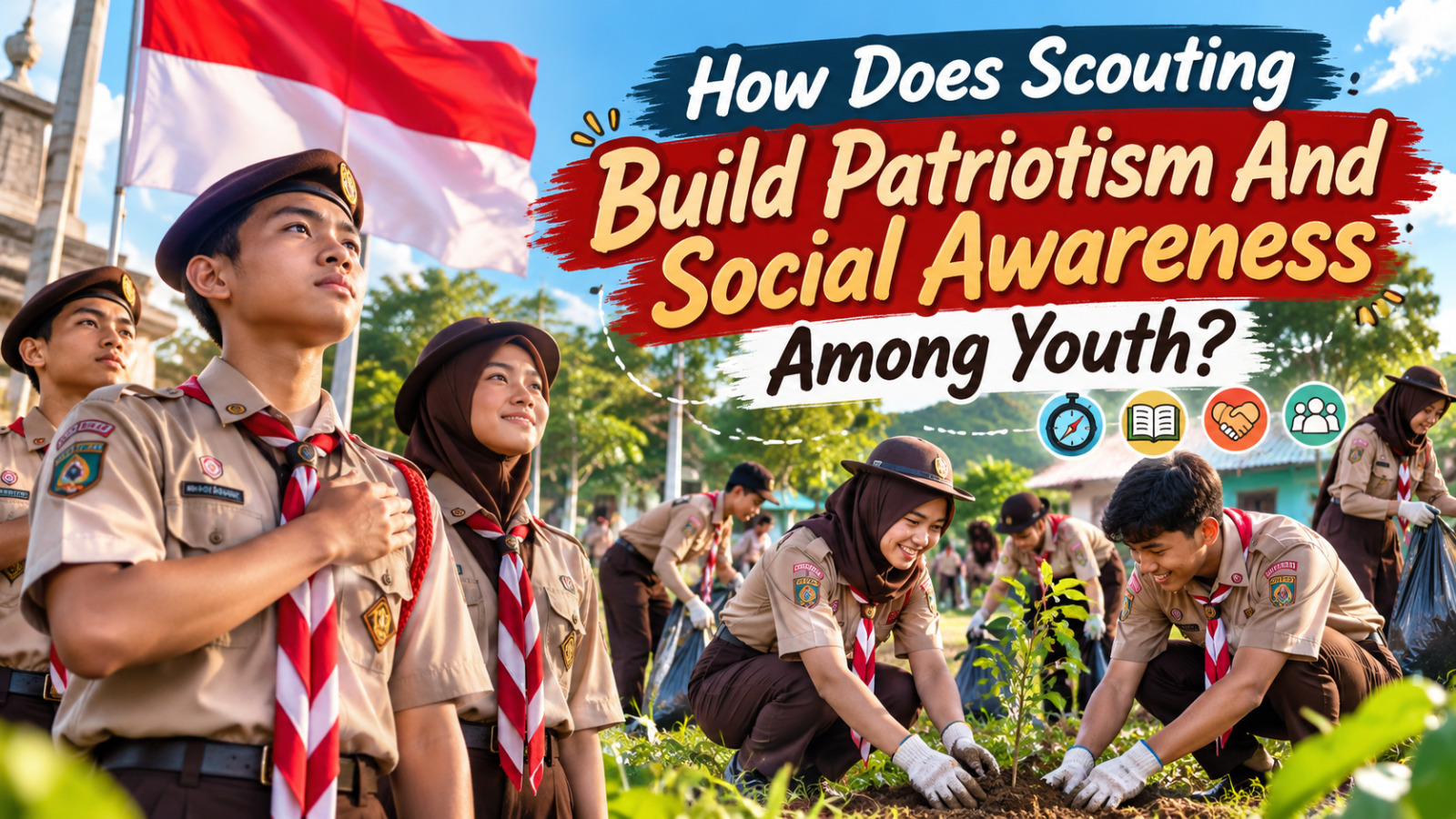
Scouting is more than an outdoor activity. It is an educational movement that helps young people develop leadership, discipline, responsibility, and a strong sense of patriotism. Through practical experiences, teamwork, and community service, scouting encourages youth to become active citizens who care about their country and society. These values prepare them to contribute positively to their communities while respecting cultural diversity and national identity.
UNDERSTANDING THE ROLE OF SCOUTING IN YOUTH DEVELOPMENT
Scouting provides young people with opportunities to learn through real-life experiences rather than classroom lessons alone. Activities such as camping, hiking, problem-solving challenges, and teamwork help participants develop confidence and independence. These experiences encourage youth to become responsible individuals who are ready to face different situations with a positive attitude.
Beyond personal development, scouting also teaches respect, integrity, and cooperation. Scouts learn the importance of following rules, helping others, and working toward common goals. These values shape strong character and prepare them to become responsible members of society throughout their lives.
HOW SCOUTING STRENGTHENS PATRIOTISM
Patriotism in scouting is developed through consistent practice rather than simple words. Scouts participate in flag ceremonies, national celebrations, and activities that promote respect for their country's history, culture, and traditions. These experiences help young people appreciate the sacrifices made by previous generations while understanding their own role in protecting national unity.
Scouting also encourages youth to become proud citizens by promoting honesty, discipline, and respect for national symbols. Instead of encouraging blind nationalism, scouting teaches balanced patriotism based on responsibility, service, and respect for diversity. This creates citizens who love their country while appreciating people from different backgrounds.
BUILDING SOCIAL AWARENESS THROUGH COMMUNITY SERVICE
One of the strongest aspects of scouting is its focus on community service. Scouts regularly participate in activities such as cleaning public spaces, planting trees, helping disaster victims, organizing charity events, and supporting local communities. These experiences teach empathy by allowing young people to understand the needs of others directly.
Community service also helps scouts recognize that even small actions can create meaningful change. As they work together to solve local problems, they develop stronger communication skills, teamwork, and compassion. These qualities encourage them to become active contributors rather than passive observers in society.
THE IMPORTANCE OF TEAMWORK AND LEADERSHIP
Scouting places great emphasis on teamwork because many activities require cooperation to achieve success. Whether setting up a campsite or completing outdoor challenges, every scout learns that shared effort often produces better results than working alone. This lesson becomes valuable in school, work, and everyday life.
Leadership opportunities are also available to scouts from an early age. They take turns leading groups, organizing activities, and making decisions while accepting responsibility for the outcomes. These experiences build confidence, improve decision-making skills, and prepare young people to become effective leaders in their communities.
LEARNING RESPECT FOR DIVERSITY AND INCLUSION
Scouting brings together young people from different backgrounds, cultures, and beliefs. Through shared experiences, scouts learn to respect differences while focusing on common values such as kindness, honesty, and cooperation. This environment promotes mutual understanding and reduces prejudice.
Respecting diversity also strengthens social awareness because scouts learn that every community member deserves fairness and dignity. By working together regardless of differences, they develop stronger interpersonal relationships and become more open-minded individuals who value peaceful cooperation.
HOW OUTDOOR ACTIVITIES DEVELOP RESPONSIBILITY
Outdoor adventures teach scouts to become responsible for themselves, their teammates, and the environment. Activities such as camping, hiking, survival training, and navigation require careful planning, discipline, and problem-solving. These experiences encourage young people to think critically before making decisions.
Environmental conservation is another important lesson in scouting. Scouts learn to protect nature by reducing waste, planting trees, conserving resources, and respecting wildlife. These habits help develop environmentally responsible citizens who understand the importance of sustainable living.
THE LONG-TERM IMPACT OF SCOUTING ON YOUNG PEOPLE
The values learned through scouting continue to benefit young people long after they leave the program. Former scouts often demonstrate stronger leadership, greater confidence, and higher levels of civic engagement in their personal and professional lives. These lifelong skills improve their ability to solve problems and contribute positively to society.
Scouting also creates a lasting commitment to serving others. Individuals who participate in scouting frequently remain involved in volunteer work, community projects, and leadership initiatives throughout adulthood. This lasting sense of responsibility benefits both individuals and the communities they serve.
CONCLUSION
Scouting plays a significant role in developing patriotism and social awareness among young people by combining practical learning, community service, leadership training, and character development. Through meaningful experiences, scouts learn to respect their country, care for others, protect the environment, and work together toward shared goals. These valuable lessons help shape responsible, compassionate, and confident citizens who are prepared to make positive contributions throughout their lives.
About the Author
Gusti Ayu Tita P
Author — STEKOM University
An active author focused on academic issues, educational technology, and human resource development in the campus environment.















