
How Does Student Consumer Culture Influence the Pursuit of Social Recognition?
Gusti Ayu Tita P
26 Agustus 2026
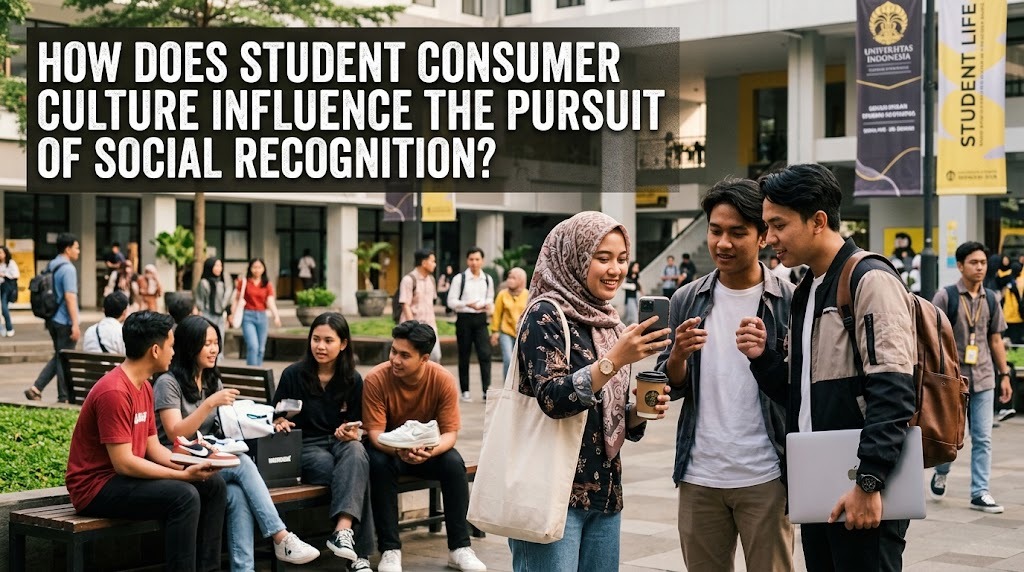
Student life is not only about academic achievement. It is also a period when young people develop their identity, build relationships, and become more aware of how others perceive them. In this environment, consumer culture can influence the way students express themselves and seek recognition from their peers. Clothing, smartphones, laptops, food choices, and leisure activities can sometimes become symbols of lifestyle and social position. Understanding this connection is important because consumption can influence both confidence and social relationships.
UNDERSTANDING STUDENT CONSUMER CULTURE
Student consumer culture refers to patterns of buying, using, and displaying products or services that become part of student life. Students may purchase items because they are useful, attractive, popular, or connected to a particular lifestyle. Social media can make these products more visible and increase awareness of current trends. As a result, students may become interested in products that are associated with certain groups or identities. Consumption therefore can have a social meaning beyond simply meeting practical needs.
However, not every purchase is motivated by the desire for recognition. Students also buy products based on convenience, personal preferences, financial ability, and academic requirements. A laptop, for example, may be purchased because it is needed for assignments rather than because the student wants to appear successful. The meaning of consumption depends on the individual and the surrounding social environment. Therefore, student consumer behavior should not be judged only from the products they own.
PEER INFLUENCE AND THE DESIRE TO BELONG
Friends can have a strong influence on student purchasing decisions. Students may become interested in products because their peers use or recommend them. In some cases, participating in shared consumption, such as visiting popular places or wearing similar styles, can strengthen group relationships. This can create a sense of belonging and social connection. Peer influence is not necessarily negative when it encourages reasonable and meaningful activities.
Problems can occur when students feel they must spend money to remain part of a group. A student with limited financial resources may feel excluded if social activities regularly require expensive purchases. This situation can create stress and reduce confidence. Healthy friendships should not depend on the ability to purchase particular products. Groups can build stronger relationships through shared interests, cooperation, and experiences that are accessible to everyone.
ECONOMIC DIFFERENCES AND SOCIAL COMPARISON
Students come from different economic backgrounds, and this difference can become visible through consumption. Some students may have access to expensive devices, branded clothing, or frequent leisure activities, while others may prioritize essential needs. When material possessions become a measure of status, these differences can influence social interactions. Economic inequality can therefore affect how students experience social recognition. Students should remember that financial circumstances do not determine intelligence, character, or potential.
Social comparison can become particularly challenging when students measure their value through material possessions. Someone may feel unsuccessful simply because they cannot afford the same products as their classmates. This perspective ignores important qualities such as academic ability, creativity, kindness, and determination. A person's worth cannot be accurately measured by the price of their belongings. Building confidence around personal strengths can help students avoid unhealthy comparisons.
DEVELOPING HEALTHY CONSUMER HABITS
Students can enjoy products and trends while still maintaining responsible consumption. Before buying something, they can consider whether the item is genuinely useful, affordable, and aligned with their priorities. Creating a budget can help prevent impulsive purchases caused by social pressure. Financial awareness allows students to make decisions based on needs rather than comparison. This habit is also useful for developing responsible financial behavior after graduation.
Students should also understand the difference between personal preference and social pressure. It is reasonable to purchase something because it brings comfort or supports academic activities. However, buying something mainly because of fear of being judged can lead to regret. Confidence should come from personal development rather than material possessions. Skills, achievements, relationships, and positive behavior can provide more lasting forms of recognition.
BUILDING SOCIAL RECOGNITION BEYOND MATERIAL POSSESSIONS
Students can gain recognition through many forms of contribution that do not require expensive products. Academic achievement, leadership, creativity, volunteering, sports, and organizational activities can all create positive recognition. Helping classmates and participating actively in campus communities can also strengthen social relationships. Skills and meaningful contributions often create more sustainable forms of social value. These achievements can remain valuable even when trends and products change.
A supportive student community should appreciate people for their character and abilities. Students can encourage one another based on effort, ideas, reliability, and cooperation rather than appearance or possessions. This approach creates a more inclusive environment for people with different economic circumstances. Social recognition becomes healthier when it is based on genuine qualities and positive contributions. In this way, consumer culture can remain a personal choice instead of becoming a requirement for acceptance.
CONCLUSION
Student consumer culture can influence the pursuit of social recognition by turning clothing, gadgets, lifestyle choices, and other products into visible symbols of identity and social position. Peer influence and social media can strengthen these patterns by making certain lifestyles appear desirable. However, excessive focus on material possessions may encourage financial pressure, social comparison, and insecurity. Students can reduce these risks by developing financial awareness, critical thinking, and confidence based on their genuine abilities. Ultimately, lasting social recognition is more valuable when it comes from character, skills, achievements, and meaningful relationships rather than material status.
About the Author
Gusti Ayu Tita P
Author — STEKOM University
An active author focused on academic issues, educational technology, and human resource development in the campus environment.















