
How Does the Blood Type System Work in the Human Body?
Gusti Ayu Tita P
14 September 2026
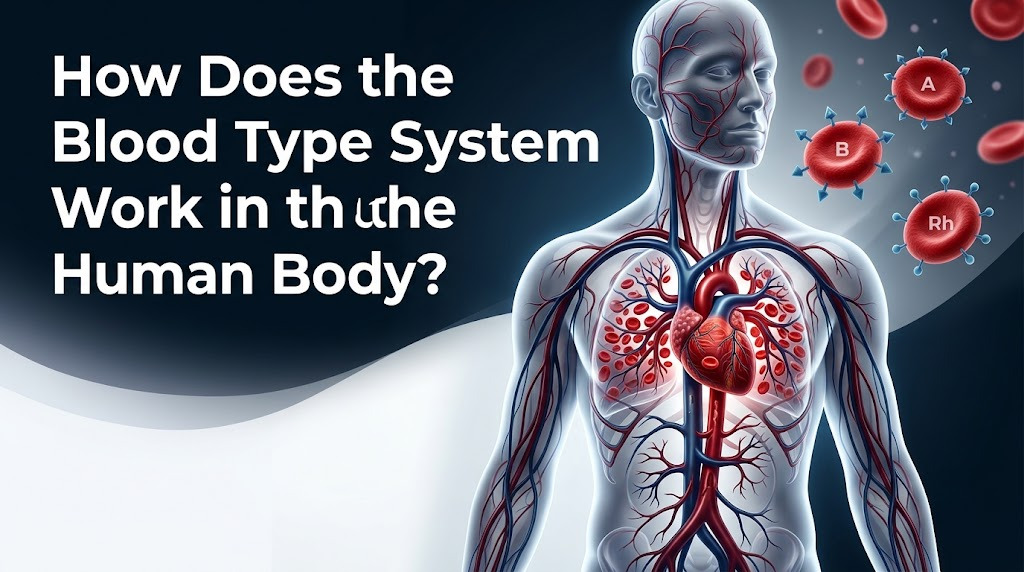
The blood type system is a way of classifying blood according to specific molecules found on the surface of red blood cells and in the plasma. The most familiar system is the ABO blood group system, which divides blood into A, B, AB, and O. Another important classification is the Rh system, which commonly identifies people as Rh-positive or Rh-negative. Together, these systems help healthcare professionals understand important differences between one person's blood and another's.
Blood group characteristics are determined mainly by genetics and are present from birth. They affect how the immune system recognizes red blood cells and are especially important during blood transfusions. The body normally has antibodies that react against certain blood group antigens that it does not carry. This interaction between antigens and antibodies is the main reason blood type compatibility is carefully checked.
WHAT ARE ANTIGENS AND ANTIBODIES IN THE BLOOD?
Antigens are molecules or structures found on the surface of red blood cells that can be recognized by the immune system. In the ABO system, A blood has A antigens, B blood has B antigens, AB blood has both, and O blood has neither A nor B antigens. These differences give each blood group its basic identity. The RhD antigen is another important antigen used to determine whether a person is Rh-positive or Rh-negative.
Antibodies are proteins found mainly in the plasma that help the immune system recognize substances considered foreign. In the basic ABO system, people usually have anti-A or anti-B antibodies against the ABO antigen they do not have. For example, type A blood normally has anti-B antibodies, while type B blood normally has anti-A antibodies. These antibodies can react strongly with incompatible red blood cells.
HOW DOES THE ABO BLOOD GROUP SYSTEM WORK?
The ABO blood group system is based on whether A and B antigens are present on red blood cells. Type A has A antigen, type B has B antigen, type AB has both A and B antigens, and type O has neither. At the same time, the plasma contains antibodies that correspond to the ABO antigens that are absent from the person's own red blood cells. This creates different patterns of antigen and antibody combinations.
These combinations become especially important when blood is transferred from a donor to a recipient. If a recipient's antibodies recognize the donor's red blood cell antigens as foreign, they can trigger an immune reaction. This is why type A blood generally should not receive type B red blood cells, for example. Careful ABO typing helps medical teams avoid these dangerous mismatches.
HOW DOES THE RH BLOOD GROUP SYSTEM WORK?
The Rh blood group system includes many antigens, but RhD is the most commonly used for routine classification. If a person's red blood cells have the RhD antigen, they are generally called Rh-positive. If the RhD antigen is absent, the person is called Rh-negative. This creates blood types such as A-positive, B-negative, AB-positive, and O-negative.
Unlike the naturally occurring ABO antibodies, anti-D antibodies usually develop only after exposure to RhD-positive red blood cells in someone who is Rh-negative. Exposure can occur through blood transfusion or pregnancy in certain circumstances. Rh sensitization can affect future transfusions and pregnancies. Therefore, Rh typing is an important part of blood testing and transfusion planning.
HOW DOES THE BODY RESPOND TO INCOMPATIBLE BLOOD?
When a person receives incompatible red blood cells, the immune system may recognize foreign antigens and respond to them. Antibodies can attach to the donor cells and activate processes that lead to their destruction. In a severe reaction, this can cause hemolysis, meaning the donated red blood cells are broken down. The resulting reaction can produce serious symptoms and complications.
Possible signs of a serious transfusion reaction include fever, chills, pain, shortness of breath, low blood pressure, and dark urine. Severe cases can affect the kidneys, circulation, and blood-clotting system. Because an incompatible transfusion can become life-threatening, hospitals use strict identification, testing, and monitoring procedures. Prompt recognition of a reaction allows the medical team to stop the transfusion and begin appropriate treatment.
HOW IS BLOOD TYPE USED DURING A TRANSFUSION?
Before a blood transfusion, healthcare professionals determine the patient's ABO and Rh type and check for unexpected antibodies. A blood bank then selects donor blood that is considered compatible with the patient's laboratory results. Crossmatching may also be performed by testing the recipient's plasma against donor red blood cells. These procedures help identify blood that is suitable for the individual patient.
Blood type is also important because different blood components have different compatibility rules. Red blood cells are selected based largely on their antigens, while plasma contains antibodies and follows different ABO compatibility principles. Platelets have their own considerations as well. This is why the medical team must know exactly which blood product is being given.
CAN BLOOD TYPE CHANGE THE WAY THE IMMUNE SYSTEM WORKS?
Blood group antigens are part of a person's normal biology and generally remain stable throughout life. The immune system becomes accustomed to the body's own red blood cell antigens and normally does not attack them. However, it can recognize unfamiliar antigens introduced through transfusion, pregnancy, or transplantation. This is one reason previous medical exposure can be relevant when evaluating a patient's transfusion history.
In some situations, exposure to foreign blood group antigens can cause the body to produce new antibodies. These antibodies may remain in the circulation or become detectable again during later exposure. Blood banks therefore ask about previous transfusions and pregnancies when assessing compatibility. This information can help identify patients who may require more specialized blood matching.
HOW IS THE BLOOD TYPE SYSTEM RELATED TO GENETICS?
The ABO blood type is inherited from parents through specific genetic variants. A person receives one ABO allele from each parent, and the combination determines whether A, B, AB, or O antigens are produced. A and B variants can each contribute their corresponding antigen, while the O variant generally does not produce A or B antigen. The RhD status is also influenced by inherited genetic information.
Because blood type is inherited, family members can have different blood types. For example, parents with certain ABO combinations can have children with blood types that are not identical to either parent. The exact inheritance possibilities depend on the genetic variants involved. This demonstrates that the blood type system is a biological characteristic established through genetics rather than lifestyle.
CONCLUSION
The human blood type system works by classifying red blood cells according to specific antigens, especially those in the ABO and Rh systems. The body's plasma contains antibodies that can recognize unfamiliar antigens, which is why incompatible blood can trigger an immune reaction. These biological differences are present from birth and are primarily determined by genetics.
The system is especially important for blood transfusion, blood donation, pregnancy care, and emergency medicine. Accurate blood typing, antibody screening, and compatibility testing help healthcare professionals provide safer treatment. Understanding how antigens, antibodies, ABO groups, and the Rh factor work together makes it easier to understand why blood types are medically important.
About the Author
Gusti Ayu Tita P
Author — STEKOM University
An active author focused on academic issues, educational technology, and human resource development in the campus environment.















