How Does The Condition Of Public Facilities Affect Communities?
Gusti Ayu Tita P
18 September 2026
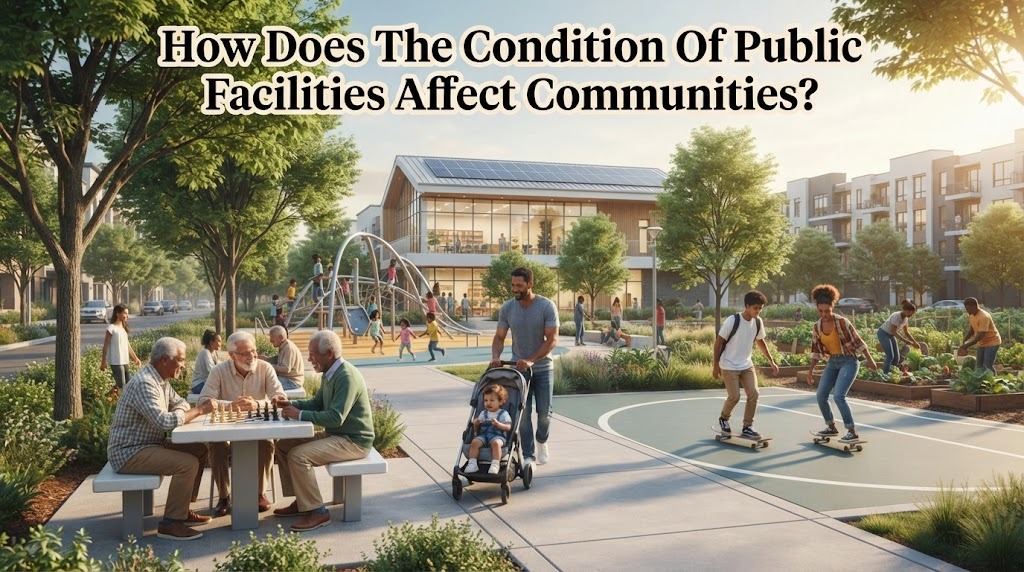
Public facilities are important parts of community life. Roads, public transportation, schools, hospitals, parks, sidewalks, and public toilets are used by people for many daily activities. The condition of these facilities can affect safety, comfort, accessibility, and productivity. Well-maintained facilities can make daily activities easier, while damaged facilities may create problems for users. For this reason, the quality of public facilities is closely connected to the well-being of a community.
AFFECTING DAILY ACTIVITIES
The condition of public facilities can directly influence how people complete their daily activities. Good roads and sidewalks make it easier for people to travel to schools, workplaces, markets, and other destinations. In contrast, damaged roads or blocked sidewalks can slow movement and create inconvenience. People may also need more time to reach their destinations when transportation facilities are poorly maintained. This shows that well-maintained facilities can support smoother daily routines.
INFLUENCING PUBLIC SAFETY
Damaged public facilities can increase safety risks for the community. Broken sidewalks, potholes, poor lighting, and damaged stairs may cause people to fall or experience accidents. Public transportation facilities that are not properly maintained can also create risks for passengers. Regular inspection and maintenance can help identify problems before they become more serious. Safe facilities allow people to carry out their activities with greater confidence.
IMPROVING COMFORT
The condition of public facilities also affects how comfortable people feel when using them. Clean, functional, and well-maintained facilities generally provide a better experience than facilities that are dirty or damaged. For example, clean public toilets and comfortable waiting areas can make people feel more at ease. Parks with proper seating, lighting, and pathways can also encourage people to spend time outdoors. Therefore, facility quality has an important connection with public comfort.
SUPPORTING ACCESSIBILITY
Public facilities need to be usable by different members of the community. Accessible sidewalks, ramps, elevators, and suitable entrances can help people with disabilities, older adults, and other users move more easily. If these features are damaged or unavailable, some people may face greater difficulties accessing public services. Poor accessibility can limit participation in education, work, transportation, and social activities. Maintaining accessible facilities helps create a more inclusive community.
SUPPORTING EDUCATION AND HEALTHCARE
The condition of educational and healthcare facilities can influence the quality of services people receive. Clean schools, safe classrooms, and suitable learning spaces can create a better environment for students and teachers. Similarly, well-maintained hospitals and health centers can provide a more comfortable environment for patients and healthcare workers. Damaged or inadequate facilities may make these important services less convenient to access. Good facility conditions therefore support education and healthcare activities.
AFFECTING ECONOMIC ACTIVITIES
Public infrastructure also plays a role in local economic activities. Good roads, transportation systems, markets, and public spaces can help workers, customers, and businesses move and operate more efficiently. When facilities are damaged, transportation may become slower and businesses can experience difficulties receiving or delivering goods. Poor infrastructure may also reduce the convenience of visiting commercial areas. Maintaining public facilities can therefore support local economic activity.
INFLUENCING COMMUNITY LIFE
Good public facilities can encourage people to use shared spaces and interact with others. Parks, community centers, public squares, and recreational areas provide places for people to meet, exercise, relax, and participate in community activities. If these spaces are dirty, unsafe, or damaged, people may avoid using them. This can reduce opportunities for social interaction and community activities. Well-maintained public spaces can help create a more active and connected community.
INCREASING PUBLIC TRUST
The condition of public facilities can also influence how people view the management of their community. When facilities are regularly maintained and repaired, people can see that public resources are being managed and services are being maintained. On the other hand, facilities that remain damaged for a long time may cause frustration among users. Regular maintenance and quick repairs can help improve the public experience. This can contribute to greater confidence in the quality of public services.
CONCLUSION
The condition of public facilities has a significant effect on communities. Safe, clean, accessible, and well-maintained facilities can support daily activities, education, healthcare, transportation, economic activities, and social interaction. Damaged or poorly maintained facilities can create safety risks, reduce comfort, and make access more difficult. Regular maintenance is therefore important to keep public facilities useful for different groups of people. By taking care of public facilities, communities can create a safer, more comfortable, and more functional environment for everyone.
About the Author
Gusti Ayu Tita P
Author — STEKOM University
An active author focused on academic issues, educational technology, and human resource development in the campus environment.