
How Does Toxic Positivity Affect Confidence and Emotions?
Gusti Ayu Tita P
11 September 2026
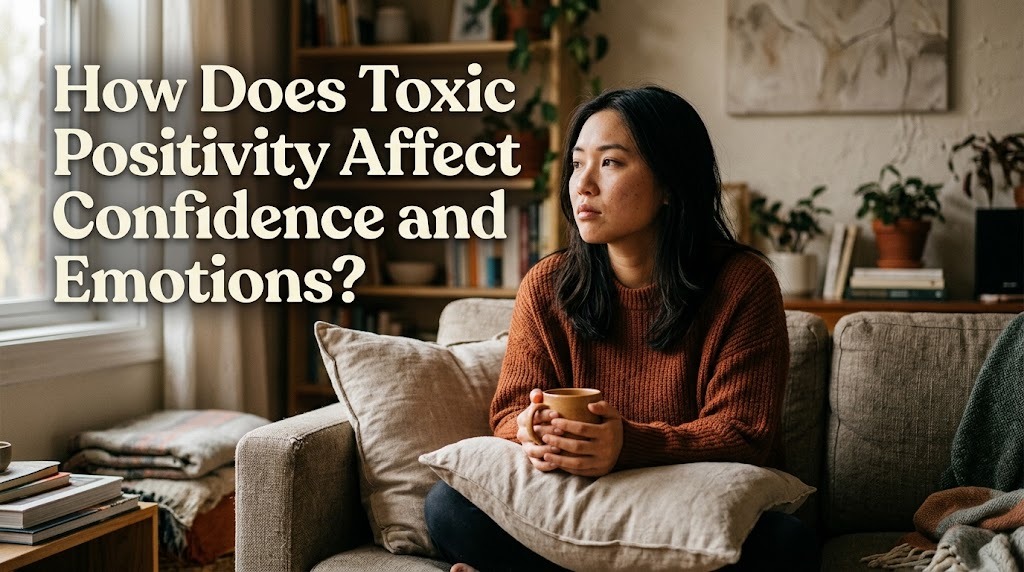
Toxic positivity can affect the way people understand and respond to their own emotions. When someone is repeatedly encouraged to ignore sadness, disappointment, fear, or frustration, they may begin to believe that these emotions are wrong. Over time, this can influence both emotional well being and self confidence. Understanding its effects can help people develop a healthier relationship with their feelings.
TOXIC POSITIVITY CAN MAKE EMOTIONS FEEL INVALID
One of the most common effects of toxic positivity is emotional invalidation. When someone shares a difficult experience and receives responses such as just stay positive, they may feel that their emotions are not important. This can make it harder for them to accept what they are feeling.
Emotional validation does not mean encouraging negative thinking. It means recognizing that difficult emotions are a normal part of life. When people feel accepted, they can process their emotions more openly and begin finding healthier ways to deal with them.
IT CAN LOWER SELF CONFIDENCE
Toxic positivity may also affect self confidence when people believe they must always appear happy and strong. If they experience sadness or failure, they may see themselves as weak or unsuccessful. This can gradually create negative beliefs about their own abilities.
Healthy confidence allows people to accept both their strengths and weaknesses. Making mistakes or experiencing difficult emotions does not automatically mean someone is incapable. Accepting imperfections can actually help people develop more realistic and stable confidence.
IT CAN CREATE GUILT FOR FEELING SAD
People exposed to toxic positivity may begin feeling guilty when they experience negative emotions. They might think they should be grateful or happy instead of acknowledging their sadness. This can create another layer of emotional pressure.
Feeling sad, angry, disappointed, or worried does not make someone ungrateful or negative. These emotions can provide important signals about personal experiences and needs. Giving yourself permission to feel can be an important step toward emotional balance.
IT CAN MAKE PEOPLE AFRAID TO SHOW VULNERABILITY
Constant pressure to remain positive can make people uncomfortable with showing vulnerability. They may avoid sharing problems because they are afraid of being judged or told to look at the positive side. As a result, they may keep their struggles hidden from others.
Vulnerability is a normal part of human relationships. Being able to communicate difficult emotions can help people receive appropriate support. A safe environment should allow someone to express weakness without making them feel ashamed.
TOXIC POSITIVITY CAN AFFECT EMOTIONAL MANAGEMENT
Ignoring difficult emotions does not necessarily make them disappear. When emotions are repeatedly pushed aside, people may have difficulty understanding what they actually feel. This can make emotional regulation more challenging.
Healthy emotional management involves recognizing emotions, understanding their causes, and choosing an appropriate response. People do not need to eliminate negative feelings to become emotionally healthy. Instead, they can learn to experience emotions without allowing those emotions to control every decision.
HOW TO PROTECT CONFIDENCE AND EMOTIONAL HEALTH
A useful way to avoid the effects of toxic positivity is to acknowledge emotions without judging them. Instead of immediately trying to change a difficult feeling, take time to understand why it is present. This allows people to respond to their emotions more consciously.
It is also helpful to surround yourself with people who listen without immediately dismissing your feelings. Supportive relationships can provide encouragement while still respecting emotional reality. Positive thinking becomes more helpful when it is combined with empathy and emotional acceptance.
BUILDING HEALTHY CONFIDENCE THROUGH SELF ACCEPTANCE
Self acceptance is an important foundation for healthy confidence. People do not need to be positive all the time to feel worthy or capable. Confidence can grow when individuals recognize their progress while accepting that setbacks are part of learning.
Instead of demanding perfection, focus on realistic improvement. Celebrate achievements while also allowing yourself to learn from mistakes. This approach creates confidence based on self understanding rather than the pressure to always appear strong.
CONCLUSION
Toxic positivity can affect confidence and emotions by making people feel that difficult feelings should be hidden or avoided. It may lead to emotional invalidation, lower self confidence, guilt, and difficulty expressing vulnerability. A healthier approach is to accept emotions, practice self compassion, and build relationships where people can communicate honestly. Positive thinking is most beneficial when it supports emotional acceptance rather than replacing it.
About the Author
Gusti Ayu Tita P
Author — STEKOM University
An active author focused on academic issues, educational technology, and human resource development in the campus environment.















