How Does Toxic Positivity Affect Emotional Health?
Gusti Ayu Tita P
11 September 2026
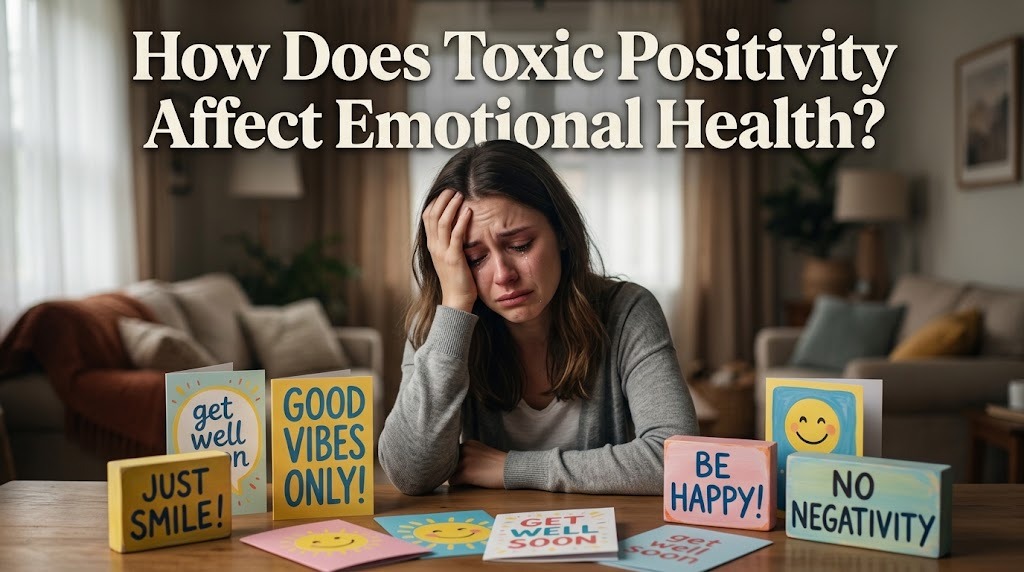
Toxic positivity refers to the tendency to focus on positive thoughts while ignoring or rejecting difficult emotions. Although having a positive attitude can be helpful, forcing positivity in every situation can prevent people from expressing what they genuinely feel. Emotional health can be affected when sadness, anger, disappointment, or fear are constantly dismissed. Understanding toxic positivity can help people develop a healthier way of dealing with emotions.
WHAT IS TOXIC POSITIVITY?
Toxic positivity happens when someone feels pressured to remain positive even when facing difficult circumstances. Statements such as everything happens for a reason or just stay positive may sound supportive, but they can sometimes make a person feel that their negative emotions are unacceptable. The problem is not positivity itself, but the refusal to acknowledge emotions that are uncomfortable.
Healthy positivity allows people to recognize difficult feelings while still maintaining hope. Someone can feel sad or disappointed and still believe that things may improve. This balance is important because every emotion can provide information about a person's needs and experiences.
TOXIC POSITIVITY CAN MAKE EMOTIONS FEEL INVALID
One major effect of toxic positivity is making people feel that their emotions are not valid. When someone shares a difficult experience and receives an immediate response telling them to look at the positive side, they may feel unheard. Over time, they may become less willing to talk about their feelings.
Emotional validation does not mean agreeing with every reaction. It means recognizing that the person's feelings are real and deserve to be understood. Giving someone space to express emotions can create a healthier environment for emotional well being.
IT CAN INCREASE EMOTIONAL PRESSURE
Toxic positivity can create pressure to appear happy and strong all the time. People may feel that showing sadness or frustration means they are weak or negative. This pressure can make it harder to process emotions naturally.
When difficult emotions are repeatedly ignored, emotional stress may become more difficult to manage. A person may continue with daily activities while internally struggling with unresolved feelings. Allowing emotions to be acknowledged can help reduce this unnecessary pressure.
TOXIC POSITIVITY CAN MAKE PEOPLE FEEL ALONE
People who constantly receive positive responses without emotional understanding may eventually feel isolated. They may believe that others do not truly understand what they are experiencing. As a result, they may choose to keep their problems to themselves.
Healthy emotional support requires listening before giving advice. Sometimes a person does not need an immediate solution but simply needs someone who is willing to understand their situation. Empathy can make conversations more supportive and meaningful.
IT CAN MAKE EXPRESSING EMOTIONS MORE DIFFICULT
Repeatedly being told to stay positive can teach people to hide uncomfortable emotions. They may avoid talking about sadness, anger, disappointment, or fear because they worry about being judged. Over time, this can make emotional communication more difficult.
Being able to express emotions in a healthy way is an important part of emotional health. People need safe opportunities to communicate what they feel without being forced to change their emotions immediately. This does not mean staying negative, but rather accepting emotions before deciding how to respond to them.
HOW TO AVOID TOXIC POSITIVITY
Avoiding toxic positivity starts with accepting that both positive and negative emotions are normal. Instead of immediately telling someone to stay positive, try listening to their concerns and acknowledging their feelings. Simple responses such as I understand why you feel that way can provide meaningful emotional support.
It is also important to avoid judging yourself for experiencing difficult emotions. Give yourself time to process what happened before looking for solutions. Once emotions have been acknowledged, positive thinking can become more realistic and helpful.
BUILDING A HEALTHIER POSITIVE ATTITUDE
A healthy positive attitude does not require ignoring problems. Instead, it combines emotional acceptance with hope and constructive action. Someone can recognize that a situation is difficult while still believing that there are ways to move forward.
This approach creates a healthier relationship with emotions. Rather than forcing happiness, people can learn from their experiences and gradually develop better coping strategies. Positivity becomes more meaningful when it comes after emotional understanding rather than replacing it.
CONCLUSION
Toxic positivity can affect emotional health by making people feel that difficult emotions should be hidden or ignored. It may increase emotional pressure, reduce feelings of validation, and make it harder to communicate honestly. A healthier approach is to acknowledge emotions, listen with empathy, and provide support without forcing immediate positivity. By accepting emotions while maintaining realistic hope, people can build stronger emotional well being.
About the Author
Gusti Ayu Tita P
Author — STEKOM University
An active author focused on academic issues, educational technology, and human resource development in the campus environment.