
How Does Toxic Positivity Affect Mental Health?
Gusti Ayu Tita P
11 September 2026
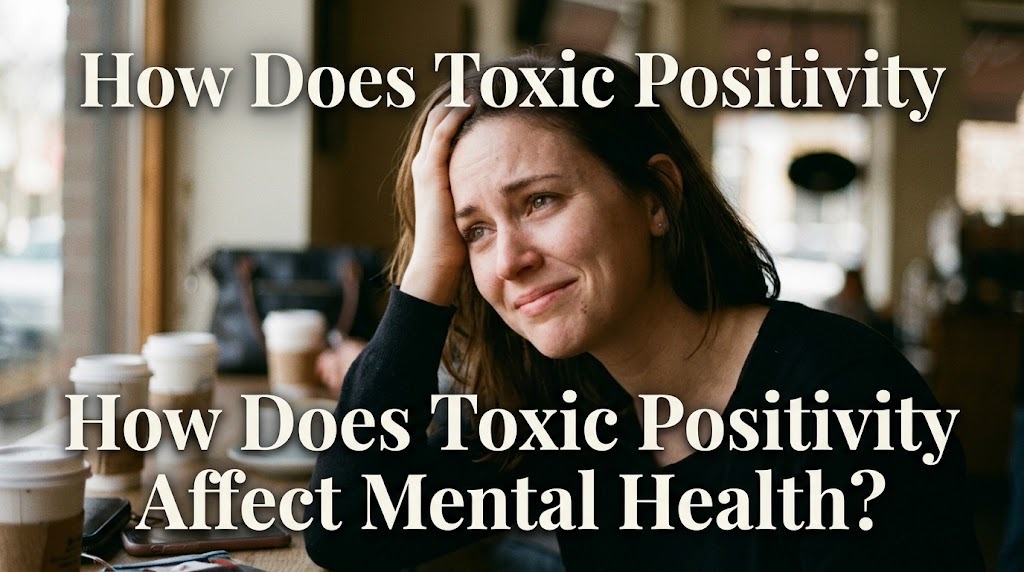
Toxic positivity refers to the habit of forcing positive thinking while ignoring or rejecting difficult emotions. Staying positive can be helpful when facing challenges, but it can become unhealthy when people feel they are not allowed to be sad, angry, disappointed, or afraid. Phrases such as everything will be fine or just stay positive may be well-intentioned, but they can make someone feel that their emotions are not understood. Over time, toxic positivity can affect how people process emotions and deal with problems. Understanding its effects is important for building healthier emotional habits.
WHAT IS TOXIC POSITIVITY?
Toxic positivity occurs when positive thinking is treated as the only acceptable response to every situation. It can happen when someone tells another person to ignore negative emotions instead of listening to their concerns. It can also happen internally when a person forces themselves to appear happy despite feeling overwhelmed. Unlike healthy optimism, toxic positivity can deny the reality of difficult experiences. This can prevent people from properly understanding and processing their emotions.
Positive thinking itself is not harmful. Healthy optimism allows people to recognize difficulties while still believing that solutions or better circumstances may be possible. The problem begins when positivity is used to avoid uncomfortable feelings or serious problems. Every emotion can provide useful information about what a person is experiencing. Accepting those emotions can therefore be an important part of maintaining mental health.
HOW TOXIC POSITIVITY AFFECTS MENTAL HEALTH
One major effect of toxic positivity is emotional suppression. People may begin hiding sadness, frustration, fear, or disappointment because they believe these emotions are unacceptable. When difficult feelings are repeatedly ignored, it can become harder to understand what is causing emotional distress. A person may also feel pressure to appear fine even when they are struggling internally. This can create an additional emotional burden.
Toxic positivity can also make people feel misunderstood or isolated. When someone shares a serious problem and receives only advice to stay positive, they may feel that their experience is being dismissed. As a result, they may become less willing to talk about their problems in the future. Losing access to healthy emotional support can make difficult situations harder to manage. Open communication and empathetic listening are therefore important alternatives.
IT CAN CREATE FEELINGS OF GUILT
Toxic positivity may cause people to feel guilty for experiencing negative emotions. Someone who is going through a difficult period may think they should be grateful or happy instead of acknowledging their pain. This can lead them to blame themselves for having normal emotional reactions. Instead of dealing with the original problem, they may also worry that they are being too negative. Over time, this pattern can affect self-confidence and emotional well-being.
It is important to remember that experiencing difficult emotions does not mean a person is weak or ungrateful. Sadness and disappointment can be normal responses to challenging experiences. People need time to process these feelings before they can move forward. Accepting emotions does not mean giving up or remaining negative. It means recognizing reality and responding to it in a healthier way.
IT MAY PREVENT PEOPLE FROM SEEKING HELP
Another concern is that toxic positivity can make people believe that positive thinking alone should solve their problems. This belief may cause someone to delay seeking support when emotional difficulties become serious. Talking with a trusted friend or family member can provide valuable support, while some situations may require help from a mental health professional. Seeking professional support is not a sign of weakness. It can be an important step toward understanding and managing emotional difficulties.
People around someone who is struggling can also make a difference. Instead of immediately giving advice, they can listen and ask what kind of support is needed. Statements such as I am here if you want to talk can create a safer space for communication. If emotional difficulties persist or interfere with sleep, work, education, relationships, or daily activities, professional support may be appropriate. Support should help people face their experiences rather than pressure them to hide their emotions.
HOW TO AVOID TOXIC POSITIVITY
Avoiding toxic positivity does not mean becoming pessimistic. It means allowing positive and negative emotions to exist without judging either one as unacceptable. When facing a difficult situation, acknowledge the emotion first and then consider what can realistically be done. For example, a person can recognize that they are disappointed while still looking for ways to improve the situation. This approach combines emotional acceptance with constructive action.
When supporting someone else, listen before offering solutions. Avoid immediately saying that everything will be fine or that they should simply be grateful. Instead, acknowledge their experience and give them space to express what they feel. Ask whether they want advice or simply need someone to listen. This kind of empathy can help people feel understood and supported.
BUILD HEALTHIER EMOTIONAL HABITS
Healthy emotional habits involve recognizing feelings, understanding their possible causes, and responding appropriately. Writing in a journal, talking to trusted people, exercising, getting enough rest, and taking breaks can support emotional well-being. These activities do not eliminate difficult emotions, but they can help people manage stress more effectively. It is also useful to identify situations or habits that repeatedly increase emotional pressure. Developing self-awareness can make it easier to respond to challenges in a balanced way.
People should also give themselves permission to recover at their own pace. There is no requirement to appear happy every day or to immediately find a positive lesson in every difficult experience. Some problems require time, practical solutions, social support, or professional assistance. A healthier mindset accepts that life can contain both positive and negative experiences. By allowing emotions to be acknowledged rather than suppressed, people can develop a more realistic and sustainable approach to mental health.
CONCLUSION
Toxic positivity can affect mental health when people are pressured to ignore difficult emotions and pretend that everything is fine. It may contribute to emotional suppression, guilt, isolation, and reluctance to seek support. Positive thinking can still be valuable when it is combined with emotional acceptance and realistic problem-solving. A healthier approach is to acknowledge difficult feelings, communicate openly, and seek appropriate support when necessary. By accepting the full range of human emotions, people can develop healthier and more balanced emotional well-being.
About the Author
Gusti Ayu Tita P
Author — STEKOM University
An active author focused on academic issues, educational technology, and human resource development in the campus environment.















