
How Does Toxic Positivity Occur in Friendships and Social Relationships?
Gusti Ayu Tita P
11 September 2026
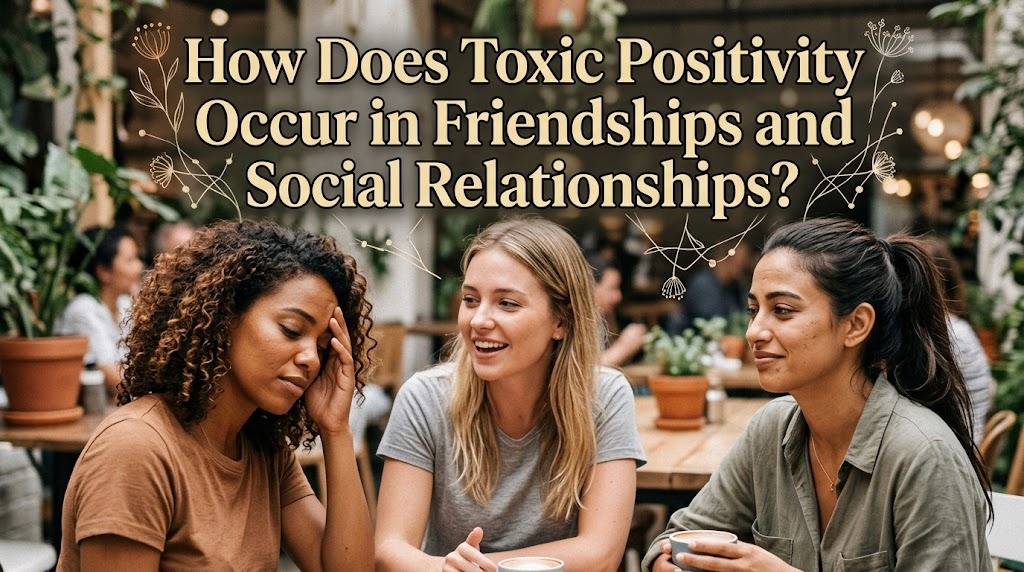
Friendships and social relationships should provide a safe space where people can share both happy and difficult experiences. However, toxic positivity can sometimes appear when someone is constantly encouraged to focus on the positive while their difficult emotions are ignored. Although the intention may be to provide encouragement, this behavior can make someone feel misunderstood. Understanding how toxic positivity occurs can help people build healthier and more supportive relationships.
TOXIC POSITIVITY CAN APPEAR WHEN GIVING ADVICE
Toxic positivity often appears when a friend immediately gives positive advice after hearing about a difficult situation. Statements such as stay positive, do not think about it, or everything will be fine may seem encouraging. However, these responses can make someone feel that their problems are being dismissed.
A person may simply need someone to listen before receiving advice. Listening with empathy allows friends to understand the situation and emotions more clearly. Support becomes more meaningful when advice is given after the person's feelings have been acknowledged.
COMPARING SOMEONE'S PROBLEMS WITH OTHER PEOPLE'S EXPERIENCES
Another form of toxic positivity occurs when someone's problems are compared with the difficulties experienced by others. Statements such as other people have bigger problems may be intended to encourage gratitude. However, comparisons can make someone feel guilty for experiencing their own emotions.
Every person can respond differently to difficult situations. A problem does not become unimportant simply because someone else is experiencing something more serious. Healthy friendships allow people to express their feelings without being forced to compare their experiences with others.
FORCING FRIENDS TO ALWAYS LOOK STRONG
Toxic positivity can also happen when friends are expected to remain strong at all times. Someone may be told not to cry, not to worry, or to stop showing weakness. While encouragement can be helpful, constantly demanding emotional strength can create unnecessary pressure.
People naturally experience moments of vulnerability. Allowing a friend to express sadness, fear, or disappointment does not make them weak. Instead, emotional openness can help strengthen trust and create deeper connections.
IGNORING EMOTIONS BY FOCUSING ONLY ON THE POSITIVE
Some people respond to difficult conversations by immediately searching for something positive. Finding a positive perspective can be useful, but doing it too quickly may prevent someone from processing what they are feeling. The person may feel that their emotions are being pushed aside.
A healthier response is to acknowledge the difficult emotion first. After someone feels heard and understood, they may become more ready to consider a positive perspective. This approach creates a balance between emotional acceptance and optimism.
SOCIAL MEDIA CAN STRENGTHEN TOXIC POSITIVITY
Social media often presents carefully selected moments of happiness, success, and achievement. Constant exposure to positive content can create the impression that people should always be happy and successful. This expectation may influence how friends communicate with one another.
Someone who is struggling may hesitate to share their problems because they fear appearing negative. This can create emotional distance and make genuine communication more difficult. Healthy relationships should allow space for both positive experiences and difficult moments.
THE IMPACT OF TOXIC POSITIVITY ON RELATIONSHIPS
Toxic positivity can make people feel unheard, misunderstood, or uncomfortable when sharing personal problems. If this happens repeatedly, someone may stop opening up to friends or family members. Over time, emotional distance can develop within the relationship.
Healthy relationships depend on trust and mutual understanding. People need to feel that they can express different emotions without being judged. When difficult feelings are accepted, communication can become more honest and supportive.
HOW TO SUPPORT OTHERS WITHOUT TOXIC POSITIVITY
One of the best ways to avoid toxic positivity is to listen before trying to solve the problem. Instead of immediately saying that everything will be fine, acknowledge what the person is experiencing. Simple statements such as I understand why this is difficult can show empathy and make someone feel heard.
It is also important to ask what kind of support the person needs. Some people may want advice, while others may simply want someone to listen. Respecting their needs can make emotional support more effective and strengthen the relationship.
BUILDING HEALTHIER SOCIAL RELATIONSHIPS
Healthy social relationships allow people to experience a wide range of emotions. Friends do not need to eliminate sadness or problems from each other's lives. Instead, they can provide understanding, encouragement, and a safe environment for honest communication.
Positive thinking can still have an important place in friendships. The difference is that healthy positivity does not deny difficult emotions. By combining empathy, active listening, and realistic encouragement, people can build relationships that are more supportive and emotionally healthy.
CONCLUSION
Toxic positivity can occur in friendships and social relationships when difficult emotions are dismissed in the name of staying positive. It may appear through excessive advice, emotional comparisons, pressure to remain strong, or the constant focus on positive perspectives. These behaviors can make people feel misunderstood and less willing to communicate openly. Healthy relationships should acknowledge difficult emotions while offering empathy, understanding, and realistic encouragement.
About the Author
Gusti Ayu Tita P
Author — STEKOM University
An active author focused on academic issues, educational technology, and human resource development in the campus environment.















