
How Does Toxic Positivity on Social Media Affect Mental Health?
Gusti Ayu Tita P
11 September 2026
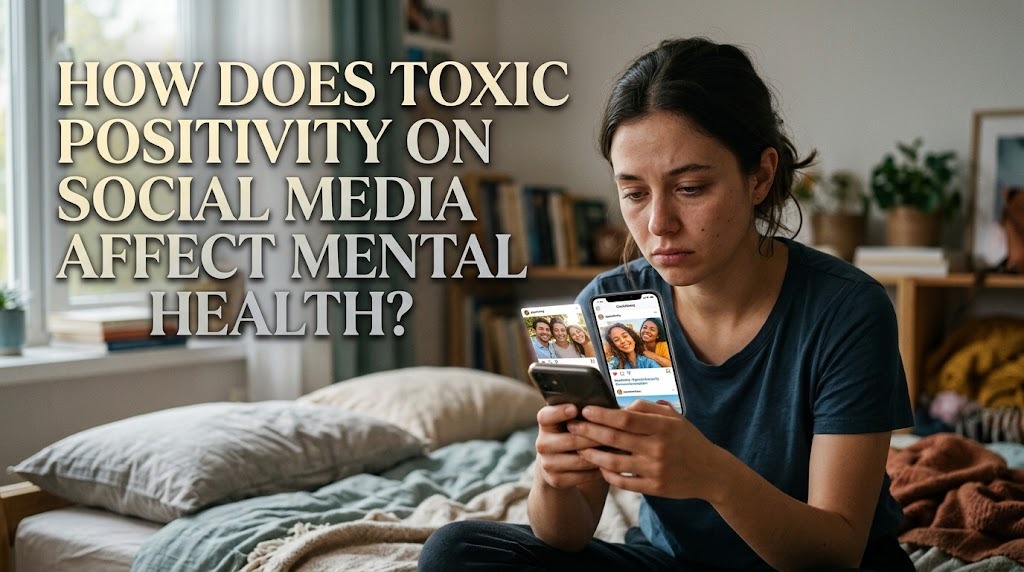
Social media is filled with motivational messages, positive quotes, success stories, and images of people enjoying their lives. Positive content can be inspiring, but it can also create unrealistic expectations when people feel they must always be happy, successful, and optimistic. This pattern can contribute to toxic positivity and affect how people view their own emotions.
Toxic positivity on social media can make normal struggles seem unacceptable. When users constantly see carefully presented versions of other people's lives, they may believe that everyone else is happier or more successful. Understanding its effects can help people use social media more mindfully and protect their emotional well-being.
ENCOURAGES PEOPLE TO COMPARE THEMSELVES WITH OTHERS
Social media can make comparison feel unavoidable. People often see posts about achievements, relationships, vacations, appearance, or financial success without seeing the difficulties behind them. This can create the impression that other people's lives are always better.
When positive content is viewed repeatedly, someone may begin to question their own progress. They may feel unsuccessful because their real life does not look as perfect as what they see online. This comparison can contribute to dissatisfaction, insecurity, and emotional stress.
MAKES NEGATIVE EMOTIONS FEEL WRONG
Toxic positivity can create the idea that sadness, anger, disappointment, or frustration should not be experienced. When social media constantly promotes messages about staying positive, users may feel that difficult emotions are signs of failure. They may try to hide these feelings instead of understanding them.
Negative emotions are a normal part of life and can provide useful information about personal experiences. Feeling sad does not mean someone is ungrateful or pessimistic. Accepting difficult emotions can be healthier than constantly trying to replace them with forced positivity.
CREATES PRESSURE TO ALWAYS BE HAPPY
Some social media content presents happiness as a constant goal. Motivational posts may suggest that people can overcome every problem simply by changing their mindset. While positive thinking can be useful, this message can become harmful when it ignores real challenges.
People may feel pressured to appear happy even when they are struggling. They might avoid sharing their problems because they fear being judged as negative. Over time, this pressure can make authentic emotional expression more difficult.
ENCOURAGES PEOPLE TO HIDE THEIR PROBLEMS
Toxic positivity on social media may encourage people to present only the positive parts of their lives. Someone experiencing stress, failure, loneliness, or disappointment may choose not to share those experiences. They may worry that admitting difficulties will make them look unsuccessful.
Constantly hiding problems can make a person feel emotionally isolated. Others may also assume that everything is fine because they only see positive updates. Creating space for honest conversations can help people feel less alone and more supported.
CAN LOWER SELF CONFIDENCE
Repeated exposure to idealized lifestyles can affect how people evaluate themselves. A person may compare their appearance, career, relationships, possessions, or achievements with what they see online. When they believe they do not measure up, their confidence can decrease.
Toxic positivity can make this worse by suggesting that negative feelings should simply be ignored. Instead of recognizing the reason behind their insecurity, someone may blame themselves for not being positive enough. This can create additional emotional pressure.
MAY MAKE PEOPLE FEEL GUILTY FOR STRUGGLING
Social media often contains messages about gratitude, success, and making the most of every moment. These messages can be helpful in moderation, but they may also make people feel guilty when their lives do not match those expectations. Someone may think they have no right to feel unhappy because other people appear to have bigger problems.
Gratitude and difficult emotions can exist together. A person can appreciate the good things in life while still feeling disappointed or overwhelmed. Recognizing this can help reduce guilt and encourage healthier emotional awareness.
HOW TO AVOID TOXIC POSITIVITY ON SOCIAL MEDIA
One way to reduce the impact of toxic positivity is to become more selective about the content you consume. Unfollow or mute accounts that consistently make you feel inadequate, pressured, or emotionally uncomfortable. Following diverse and realistic content can create a healthier social media experience.
It is also important to remember that social media rarely shows the complete picture of someone's life. Take breaks when online content begins affecting your mood or self-esteem. Most importantly, allow yourself to experience difficult emotions without immediately judging them as negative or wrong.
CONCLUSION
Toxic positivity on social media can affect mental health by encouraging comparison, emotional suppression, unrealistic expectations, and pressure to always appear happy. It may also make people hide their problems or feel guilty when they struggle. Positive thinking can be beneficial, but it should not replace emotional acceptance and honest communication. Using social media mindfully and accepting different emotions can support healthier emotional well-being.
About the Author
Gusti Ayu Tita P
Author — STEKOM University
An active author focused on academic issues, educational technology, and human resource development in the campus environment.



