
How Electronic Stamp Duty Makes Digital Administration More Efficient?
Gusti Ayu Tita P
22 Agustus 2026
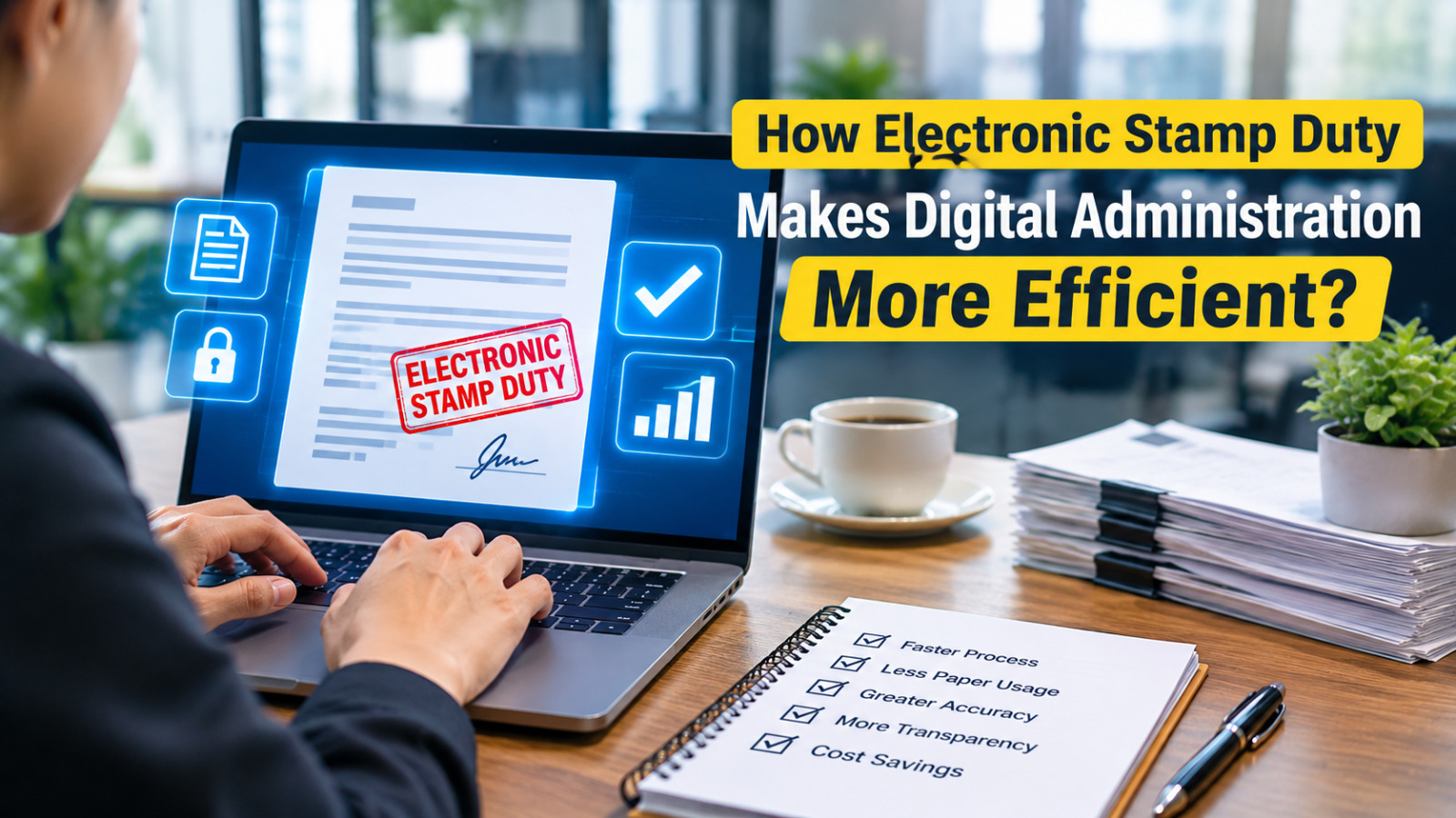
Digital transformation has changed how businesses create, send, sign, and store documents. Many administrative activities that once depended on printed paperwork can now be completed electronically. One solution that supports this transition is electronic stamp duty, which can be applied to eligible electronic documents without requiring a physical stamp. By moving the stamp duty process into a digital environment, organizations can reduce unnecessary paperwork and make document handling more practical. Understanding how electronic stamp duty works can help businesses manage digital documents more efficiently and appropriately.
UNDERSTANDING ELECTRONIC STAMP DUTY
Electronic stamp duty is a digital form of stamp duty used for documents that meet the applicable legal requirements. In Indonesia, electronic stamp duty is commonly associated with electronic documents that are subject to stamp duty under the prevailing regulations. Unlike a conventional physical stamp, the electronic version is integrated into a digital document through an authorized process. This makes it suitable for organizations that increasingly use electronic contracts, agreements, and other business documents. However, businesses should still determine whether a particular document is actually subject to stamp duty before applying it.
The use of electronic stamp duty can also support a more organized document workflow. Employees do not necessarily need to print a document simply to attach a physical stamp before returning it to a digital process. Digital processing can reduce repetitive administrative steps, especially when documents are exchanged between different parties electronically. Even so, organizations should follow the applicable procedures and use legitimate electronic stamp duty services to maintain document validity and compliance.
HOW ELECTRONIC STAMP DUTY IMPROVES ADMINISTRATIVE EFFICIENCY
One of the main advantages of electronic stamp duty is its ability to support faster document processing. Businesses can handle eligible electronic documents without waiting for physical paperwork to be delivered, stamped, and returned. This can be useful when agreements need to be processed by people working in different locations. A digital workflow also makes it easier for administrative teams to coordinate documents through existing electronic systems. As a result, routine document processing can become more streamlined.
Electronic stamp duty can also help reduce administrative resources associated with printing and physical document handling. Organizations that manage large numbers of documents may spend considerable time organizing, distributing, and storing paper files. By using electronic documents where appropriate, businesses can reduce dependence on physical storage and simplify document retrieval. Less manual handling can also reduce the possibility of misplaced paperwork. These improvements can contribute to a more efficient administrative system when supported by proper document management procedures.
SUPPORTING PAPERLESS DOCUMENT MANAGEMENT
Electronic stamp duty fits naturally into a paperless administration strategy because it allows eligible documents to remain within a digital workflow. Contracts and agreements can be prepared electronically, reviewed by relevant parties, and processed without automatically requiring a printed copy. This approach can reduce paper consumption and help organizations manage documents more systematically. Digital files can also be categorized and stored using appropriate document management systems. However, businesses should maintain reliable backup and access controls to protect important records.
A paperless approach can be particularly beneficial for companies with distributed teams or frequent digital transactions. Employees may need to access documents from different locations, making electronic storage more practical than relying entirely on physical archives. Centralized digital document management can improve accessibility and organization when appropriate security measures are in place. It can also make it easier to track documents throughout different stages of an administrative process. Therefore, electronic stamp duty can become one component of a broader digital document management strategy.
REDUCING MANUAL ADMINISTRATIVE WORK
Traditional document processing can involve several manual activities, including printing, attaching physical stamps, scanning, sending, and storing documents. When these steps are repeated frequently, they can consume valuable employee time. Electronic stamp duty can help reduce some of these activities when the underlying document and transaction are eligible for electronic processing. This allows administrative teams to focus more on verification, record management, and other tasks that require human attention. Reducing repetitive work can make administrative processes more efficient.
The benefits can become more noticeable when an organization handles a high volume of agreements or other taxable documents. Instead of managing every document as a separate physical item, teams can incorporate electronic processing into their established workflows. This may shorten the time needed to move documents between departments and external parties. Nevertheless, automation should not replace careful checking of document requirements. Businesses still need to verify the document type, applicable stamp duty obligations, and the correctness of the electronic stamp duty process.
IMPROVING DOCUMENT PROCESSING AND CONTROL
Efficiency is not only about speed but also about better control over documents. Electronic document workflows can make it easier for organizations to establish consistent procedures for preparing, reviewing, processing, and storing files. Access permissions can be managed according to employee responsibilities, while digital records can be organized according to internal policies. When electronic stamp duty is used correctly, it can become part of a structured workflow for eligible documents. This can help organizations maintain better administrative consistency.
Businesses should also pay attention to document security throughout the process. Electronic files should be protected against unauthorized access, accidental deletion, and inappropriate modification. Secure storage, controlled access, and reliable backups are important parts of effective digital document management. Organizations should also obtain electronic stamp duty through authorized channels and follow the applicable regulations. Combining proper compliance with sound digital security practices can make electronic administration more reliable.
CONCLUSION
Electronic stamp duty can make digital administration more efficient by supporting faster, more practical, and less paper-dependent document processing. It can reduce unnecessary printing and manual handling while helping businesses manage eligible electronic documents within a digital workflow. Its effectiveness becomes greater when combined with organized document management, appropriate security controls, and compliance with applicable stamp duty regulations. Businesses should not view electronic stamp duty as a standalone solution, but as part of a broader digital administration strategy. With the right procedures, electronic stamp duty can help organizations build a more efficient and organized approach to modern document management.
About the Author
Gusti Ayu Tita P
Author — STEKOM University
An active author focused on academic issues, educational technology, and human resource development in the campus environment.















