
How Electronic Stamp Duty Supports Paperless Administration?
Gusti Ayu Tita P
22 Agustus 2026
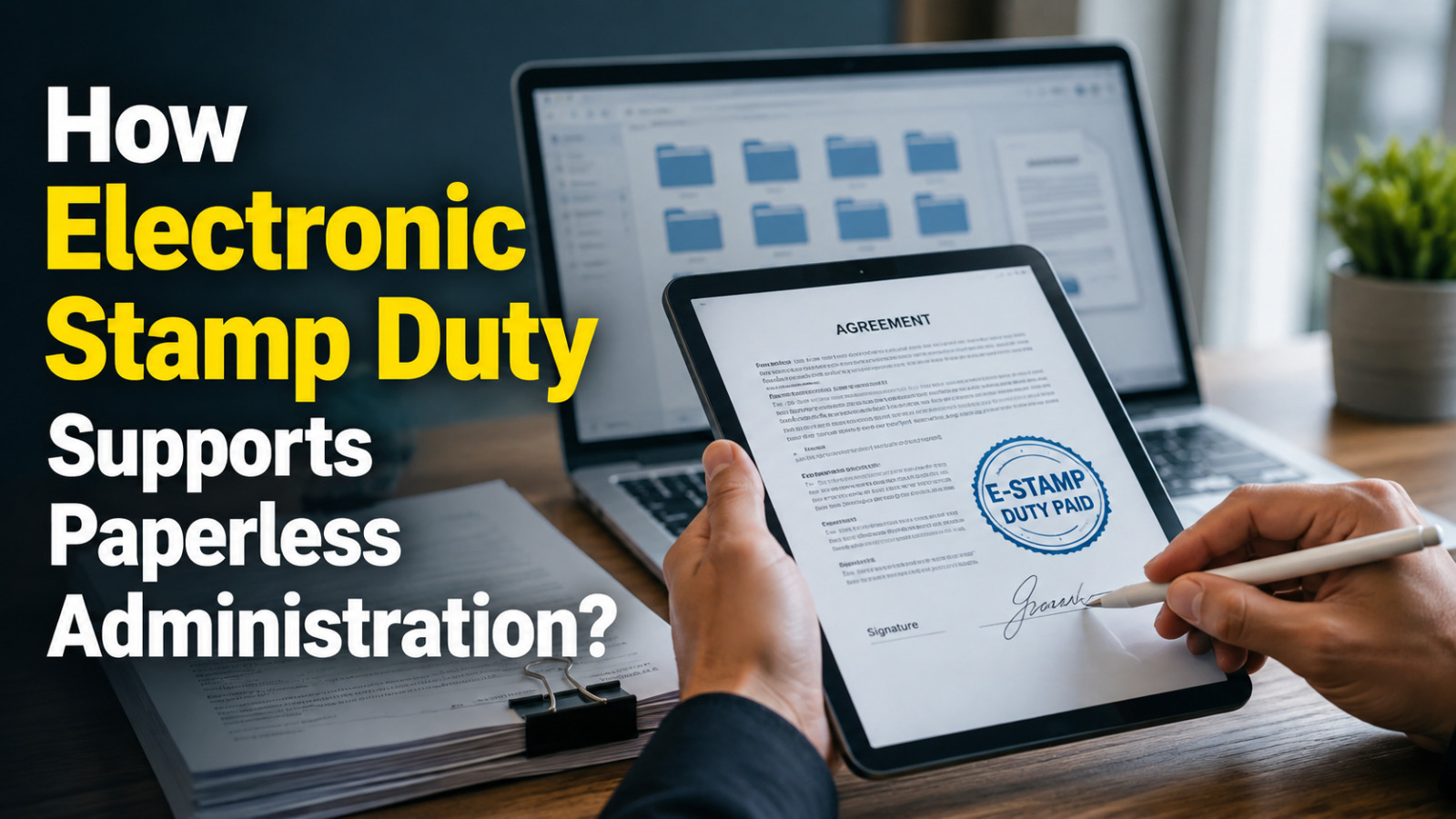
Digital transformation has changed how businesses create, manage, and store documents. Many administrative activities that once depended on printed forms can now be completed electronically. Electronic stamp duty, also known as e-Meterai in Indonesia, is one solution that supports this transition by allowing stamp duty to be applied to eligible electronic documents. Under Indonesian regulations, stamp duty is a tax imposed on certain documents, including qualifying electronic documents, with a fixed rate of Rp10,000 per document.
For businesses that handle contracts, agreements, financial documents, and other administrative files, electronic stamp duty can make document processing more practical. It reduces the need to print documents simply to attach a physical stamp and helps organizations maintain a more digital workflow.
WHAT IS ELECTRONIC STAMP DUTY?
Electronic stamp duty is a digital form of stamp duty designed for electronic documents. In Indonesia, e-Meterai contains security features and a unique code generated through the electronic stamp duty system. Its design includes the Garuda Pancasila emblem, the words indicating an electronic stamp, and information showing the stamp duty rate.
The purpose is not to replace the document itself but to fulfill the applicable stamp duty obligation for documents that are subject to it. Indonesian regulations specify several types of documents that may be subject to stamp duty, including certain agreements, statements, securities, auction documents, and documents stating money amounts above the applicable threshold. Not every electronic document automatically requires an electronic stamp duty.
REDUCING THE NEED FOR PAPER DOCUMENTS
One of the clearest ways electronic stamp duty supports paperless administration is by reducing the need to print documents for stamping purposes. A business can prepare an eligible document electronically and apply the electronic stamp through an appropriate system without first converting the file into a physical document. This can make administrative workflows faster and more convenient, particularly when documents are exchanged between people in different locations.
A paperless process can also reduce the need for physical storage. Instead of maintaining large numbers of printed documents, organizations can manage electronic files through appropriate document management systems. This approach can help reduce printing, paper, and physical filing requirements while making digital administration easier to organize.
MAKING BUSINESS ADMINISTRATION MORE EFFICIENT
Electronic stamp duty can support efficiency because documents can remain within a digital workflow from preparation to completion. Businesses that frequently process agreements or other taxable documents can avoid unnecessary printing and physical handling. The Directorate General of Taxes has described e-Meterai as a way to make the fulfillment of stamp duty obligations for electronic documents easier.
Digital processing can also make document handling more practical for remote teams and online transactions. Instead of sending a document physically to another location for stamping, the relevant process can be completed electronically. For organizations managing a high volume of documents, these small improvements can contribute to more streamlined administration.
SUPPORTING DIGITAL DOCUMENT MANAGEMENT
Electronic stamp duty fits naturally into a broader digital document management strategy. Businesses can store eligible documents electronically, organize them according to internal procedures, and retrieve them when necessary. This can make administrative records easier to manage compared with relying entirely on physical filing systems.
However, electronic stamp duty should not be confused with a digital signature. An e-Meterai fulfills the applicable stamp duty obligation, while a digital signature serves a different function related to signing an electronic document. These elements may be used together when appropriate, but they are not interchangeable. PERURI also describes electronic signatures and e-Meterai as complementary components in digital document processes.
IMPROVING CONVENIENCE AND DOCUMENT HANDLING
Another benefit is convenience. Electronic stamp duty can be applied without requiring users to obtain and attach a physical stamp to a printed document. This is especially useful for organizations that operate online or frequently exchange documents electronically.
Businesses should still pay attention to document integrity, access control, and secure storage. An electronic stamp does not remove the need for proper document management practices. Organizations should use official channels, protect account credentials, and maintain appropriate procedures for storing and sharing completed documents. PERURI has also advised users to obtain e-Meterai through official distributors to reduce security and misuse risks.
CONCLUSION
Electronic stamp duty can play an important role in supporting paperless administration. By allowing applicable stamp duty obligations to be fulfilled on electronic documents, it helps businesses reduce unnecessary printing and physical document handling. It can make digital administration more efficient, convenient, and aligned with modern business workflows. However, organizations should understand which documents are subject to stamp duty and use authorized electronic stamp duty channels. When combined with secure document management and appropriate electronic signing practices, electronic stamp duty can become a useful part of a modern paperless administration system.
About the Author
Gusti Ayu Tita P
Author — STEKOM University
An active author focused on academic issues, educational technology, and human resource development in the campus environment.















