How Gen Z Manages Stress in the Social Media Era?
Gusti Ayu Tita P
23 Juni 2026
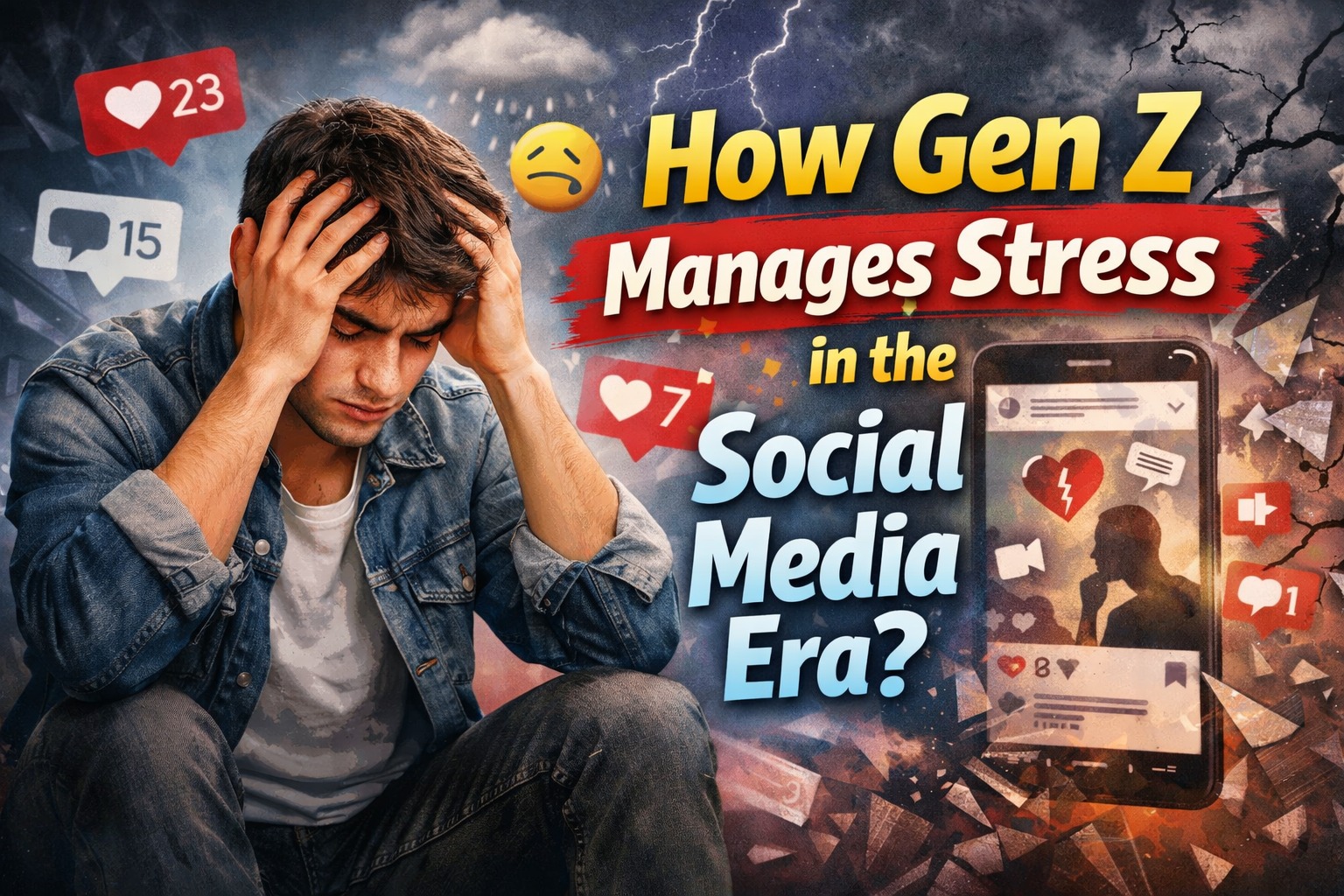
The rise of social media has changed the way young people communicate, study, work, and build relationships. For Generation Z, platforms like TikTok, Instagram, and X have become part of daily life. While social media offers entertainment and connection, it also creates pressure that can affect mental health. Many Gen Z users often compare their lives with influencers, celebrities, or friends who appear successful online. This habit can increase feelings of insecurity, anxiety, and emotional exhaustion.
Another challenge comes from the constant flow of information. Notifications, trending topics, and online discussions make it difficult for young people to fully relax. Some Gen Z individuals feel stressed because they are afraid of missing important updates or social interactions online. This condition is often called Fear of Missing Out or FOMO. As a result, many young people struggle to balance their digital life with their personal well-being.
WHY GEN Z EXPERIENCES HIGHER STRESS LEVELS
Gen Z faces unique pressures that previous generations did not experience at the same level. They grow up in a world where everything is fast, competitive, and highly visible online. Academic pressure, career uncertainty, financial concerns, and social expectations often combine with the stress of maintaining an online image. Many young people feel they must always look productive, attractive, and successful on social media.
In addition, cyberbullying and negative comments can strongly affect emotional health. Unlike traditional bullying, online criticism can spread quickly and remain visible for a long time. This situation can damage self-confidence and increase mental stress. Some Gen Z users also experience sleep problems because they spend too much time scrolling through content late at night. Over time, unhealthy digital habits may reduce focus, motivation, and emotional stability.
HEALTHY WAYS GEN Z MANAGES STRESS
Many Gen Z individuals are becoming more aware of the importance of mental health. One popular strategy is taking a digital detox, where they reduce screen time and temporarily stay away from social media platforms. This method helps the mind rest from constant online activity and allows people to focus on real-life experiences. Spending time outdoors, exercising, or enjoying hobbies can significantly improve emotional balance.
Another effective stress management method is practicing mindfulness and self-care. Many young people now use meditation apps, journaling techniques, or calming music to reduce anxiety. Some also attend therapy sessions or speak openly about mental health with trusted friends and family members. This openness is helping reduce stigma around emotional struggles. Gen Z is becoming more comfortable discussing stress and seeking professional support when needed.
THE ROLE OF FRIENDSHIPS AND ONLINE COMMUNITIES
Strong friendships play an important role in helping Gen Z manage stress. Supportive friends can provide encouragement, advice, and emotional comfort during difficult times. Many young people feel less alone when they can openly share their feelings with others who understand their experiences. Healthy communication helps reduce emotional pressure and builds stronger social connections.
Online communities can also have a positive impact when used wisely. Mental health groups, educational creators, and supportive forums often share helpful advice and motivational content. Positive online spaces can encourage self-improvement and emotional growth. However, Gen Z is also learning the importance of avoiding toxic online environments that increase negativity and stress. Choosing healthy digital communities is becoming an essential part of protecting mental well-being.
BUILDING A HEALTHIER DIGITAL LIFESTYLE
Creating a healthy relationship with social media requires balance and self-awareness. Many Gen Z users now set limits on screen time to avoid becoming too dependent on digital platforms. Some turn off notifications during study or rest hours to improve concentration and reduce stress. Developing healthier online habits can improve sleep quality, productivity, and emotional health.
Parents, schools, and workplaces also have an important role in supporting mental wellness. Open discussions about stress management and responsible social media use can help young people feel understood and supported. Education about mental health should continue growing so Gen Z can better handle modern challenges. By combining technology with healthy habits, young people can enjoy the benefits of social media without sacrificing their emotional well-being.
CONCLUSION
The social media era brings both opportunities and challenges for Gen Z. Constant online exposure can create stress, anxiety, and emotional pressure, especially when combined with academic and social expectations. However, many young people are learning healthy ways to manage these challenges through self-care, digital balance, supportive friendships, and mental health awareness.
Gen Z is becoming more open about emotional struggles and more proactive in protecting mental well-being. By practicing healthier online habits and seeking positive support systems, they can reduce stress and maintain a more balanced lifestyle in the digital age.
About the Author
Gusti Ayu Tita P
Author — STEKOM University
An active author focused on academic issues, educational technology, and human resource development in the campus environment.