
How Homeschooling Helps Build Independence in Children?
Gusti Ayu Tita P
15 Oktober 2026
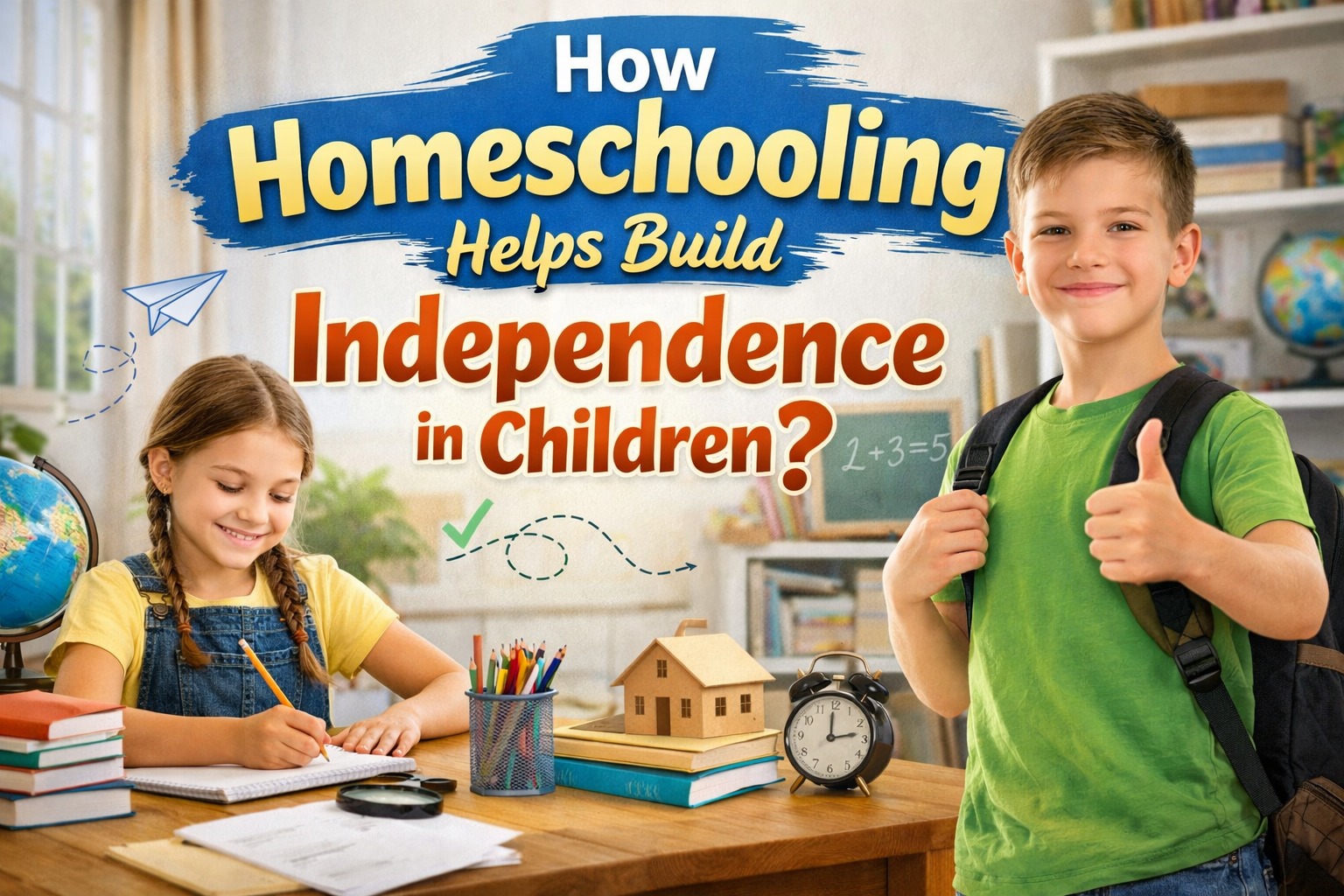
Homeschooling has become an increasingly popular educational choice for families around the world. One of the biggest reasons parents choose this learning method is its ability to develop independence in children from an early age. Unlike traditional classrooms where schedules and activities are often controlled by teachers, homeschooling encourages children to take a more active role in their education.
As children become more involved in planning, organizing, and completing their own learning tasks, they gradually develop important life skills that will benefit them in adulthood. Self-discipline, responsibility, problem-solving abilities, and decision-making skills are naturally strengthened through the homeschooling experience.
ENCOURAGING CHILDREN TO TAKE RESPONSIBILITY FOR THEIR LEARNING
One of the greatest advantages of homeschooling is that children learn to become responsible for their own educational progress. They are often involved in setting study goals, planning assignments, and managing daily schedules. This active participation helps children understand that learning success depends largely on their own effort and commitment.
Instead of relying solely on teachers to remind them about deadlines or assignments, homeschooled children gradually develop personal responsibility. They learn to monitor their progress, identify areas that need improvement, and find ways to overcome challenges independently. These habits can remain valuable throughout higher education and professional careers.
DEVELOPING STRONG TIME MANAGEMENT SKILLS
Homeschooling provides children with opportunities to practice time management on a regular basis. Flexible schedules allow students to organize their study hours according to their energy levels and learning preferences. This flexibility encourages them to understand the importance of balancing education, hobbies, family activities, and rest.
Children who regularly manage their own schedules often become more aware of priorities and deadlines. They learn how to divide large tasks into smaller goals and complete them efficiently. Over time, these experiences strengthen their ability to work independently without constant supervision.
BUILDING CONFIDENCE IN DECISION MAKING
Independent learning environments encourage children to make decisions more frequently. Homeschooled students often have opportunities to choose learning materials, projects, and study methods that match their interests and strengths. This freedom allows them to feel more ownership over their education.
As children become accustomed to making choices, they gain greater confidence in their judgment and abilities. They learn that mistakes are valuable learning opportunities rather than failures. This mindset supports the development of critical thinking skills and prepares them for real-world situations where independent decisions are essential.
IMPROVING PROBLEM SOLVING ABILITIES
Homeschooling encourages children to explore solutions independently before seeking assistance from parents or tutors. Whether they are working on mathematics problems, science experiments, or creative projects, they often practice researching information and testing different approaches.
This process strengthens problem-solving skills and promotes persistence. Children learn that challenges are part of the learning journey and that perseverance often leads to success. These experiences help build resilience and adaptability, two important qualities for future personal and professional growth.
PROMOTING SELF DISCIPLINE AND MOTIVATION
Without the structure of a traditional classroom, homeschooled students must develop strong self-discipline to stay productive. They learn how to focus on tasks, avoid distractions, and maintain consistent study habits. Parents and tutors provide guidance, but children gradually become more capable of managing themselves.
Internal motivation often becomes stronger in homeschooling environments because learning is frequently connected to personal interests and goals. When children enjoy what they are studying, they become more eager to explore topics in greater depth and continue learning independently throughout life.
ENCOURAGING REAL WORLD LEARNING EXPERIENCES
Homeschooling often allows children to participate in practical learning experiences outside textbooks. Educational trips, community projects, volunteering, and entrepreneurship activities provide opportunities to apply knowledge in real situations. These experiences help children understand the value of initiative and personal responsibility.
By interacting with different environments and people, children become more adaptable and resourceful. They learn how to communicate effectively, manage responsibilities, and solve unexpected problems. Such experiences contribute significantly to developing independent and confident individuals.
STRENGTHENING COMMUNICATION AND SELF EXPRESSION
Homeschooled children frequently interact with family members, community groups, tutors, and individuals from different age groups. These varied interactions can improve communication skills and encourage children to express their ideas more confidently.
As they become more comfortable sharing opinions and asking questions, children develop stronger self-awareness and emotional maturity. Effective communication also supports independent thinking because children learn how to explain their reasoning and defend their viewpoints respectfully.
CONCLUSION
Homeschooling offers more than academic flexibility; it provides an environment where children can develop valuable life skills that promote independence. Through managing schedules, making decisions, solving problems, and taking responsibility for their education, children become more capable and self-reliant individuals.
As the world continues to value adaptability and lifelong learning, the ability to work independently becomes increasingly important. Homeschooling can play a significant role in preparing children to become confident, responsible, and motivated adults who are ready to face future challenges.
About the Author
Gusti Ayu Tita P
Author — STEKOM University
An active author focused on academic issues, educational technology, and human resource development in the campus environment.