How Independence Day Events in Schools Foster Patriotism Among Students?
Gusti Ayu Tita P
5 Agustus 2026
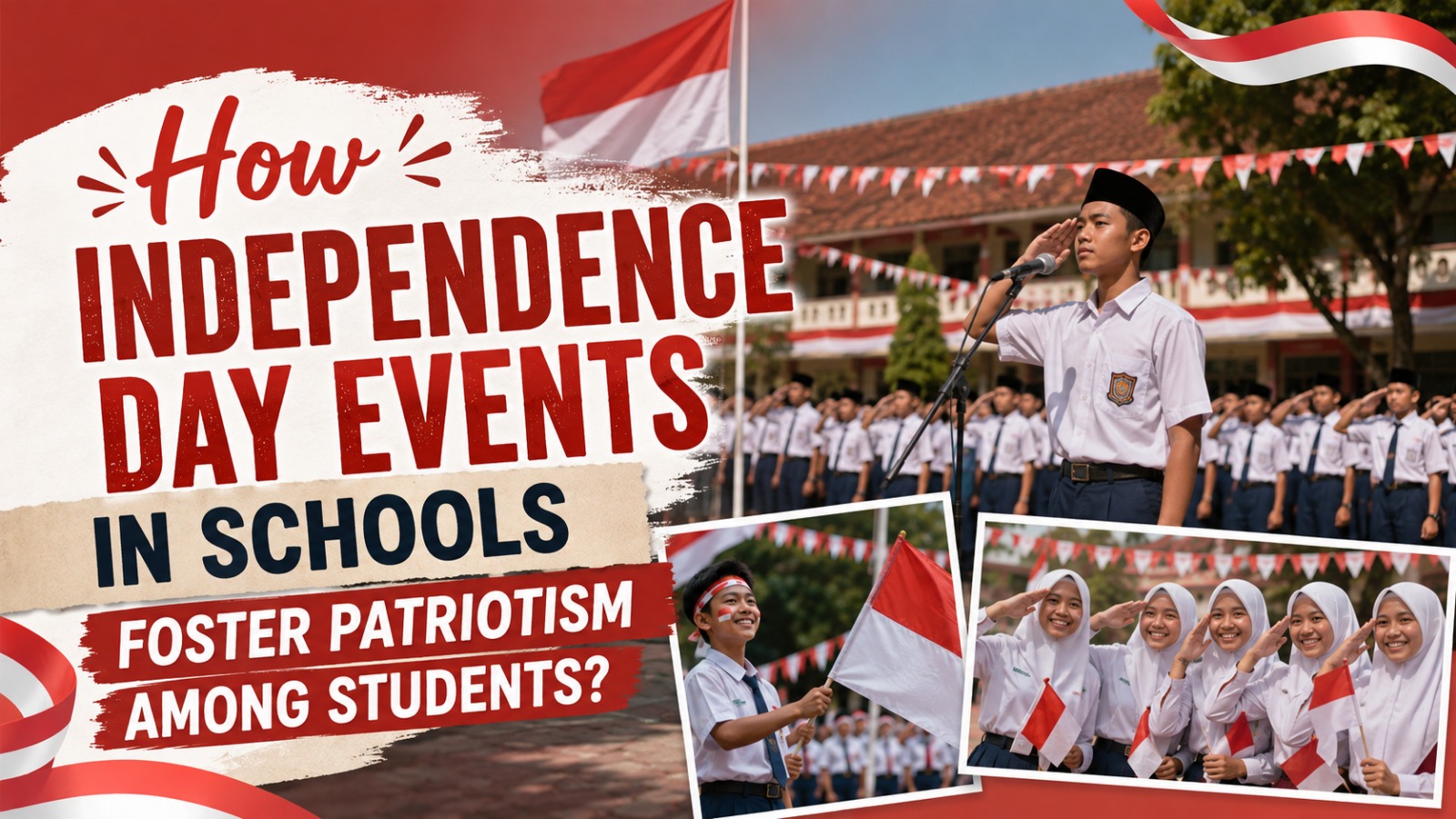
Indonesia's Independence Day is a significant national celebration held every year on August 17th to commemorate the nation's freedom and honor the struggles of Indonesian heroes. Schools have an important role in introducing the meaning of independence to younger generations through various educational activities. Independence Day events in schools are not only celebrations but also opportunities to build students' understanding of patriotism, responsibility, and national identity. Through ceremonies, competitions, cultural programs, and teamwork activities, students experience the values of unity and love for their country. Therefore, school celebrations become an effective way to foster patriotic attitudes among students from an early age.
THE ROLE OF SCHOOLS IN DEVELOPING PATRIOTIC VALUES
Schools are important places for shaping students' character and introducing national values. Through Independence Day celebrations, students learn about Indonesia's history, the meaning of freedom, and the sacrifices made by national heroes. These lessons help students understand why independence should be appreciated and protected.
School events provide learning experiences that go beyond textbooks. Students do not only memorize historical information but also participate directly in activities that represent national spirit. This approach helps them build emotional connections with Indonesia and develop stronger feelings of belonging.
FLAG CEREMONIES AS A SYMBOL OF NATIONAL PRIDE
The flag ceremony is one of the most meaningful activities during Indonesia's Independence Day celebration. Standing together while honoring the Indonesian flag teaches students about respect, discipline, and appreciation for national symbols. The ceremony reminds students of the long journey Indonesia experienced to achieve independence.
Participating in flag ceremonies also builds a sense of responsibility and unity. Students learn to follow procedures, respect the national anthem, and appreciate the importance of togetherness. These simple actions help strengthen patriotic values in their daily lives.
COMPETITIONS THAT ENCOURAGE UNITY AND COOPERATION
Independence Day competitions are popular activities that create excitement among students. Games such as tug of war, relay races, traditional games, and creative contests encourage students to work together and support their teammates. These experiences teach the importance of cooperation and mutual respect.
Through friendly competitions, students learn that patriotism is not only about loving the country but also about building positive relationships with others. They practice sportsmanship, fairness, and teamwork while celebrating Indonesia's independence in an enjoyable way.
CULTURAL ACTIVITIES THAT STRENGTHEN NATIONAL IDENTITY
Cultural performances are another effective way to foster patriotism among students. Activities such as traditional dances, patriotic songs, drama performances, and regional exhibitions allow students to appreciate Indonesia's cultural diversity. They learn that different traditions and backgrounds are part of the nation's identity.
These activities encourage students to protect and respect Indonesian culture. By understanding cultural heritage, students develop greater pride in their country. They realize that maintaining national identity is an important responsibility for future generations.
TEACHING HISTORY THROUGH CREATIVE ACTIVITIES
Creative activities help students learn about independence in a more interesting way. Schools can organize history quizzes, poster competitions, storytelling events, and exhibitions about national heroes. These programs make historical learning more enjoyable and easier for students to understand.
When students actively explore history, they gain deeper appreciation for Indonesia's independence journey. They recognize the courage, sacrifice, and determination of previous generations. This knowledge encourages them to value freedom and become responsible citizens.
BUILDING RESPONSIBILITY AND SOCIAL AWARENESS
Independence Day events also teach students about responsibility and social values. Preparing celebrations requires students to cooperate, manage tasks, and help each other. These experiences develop discipline, leadership, and a willingness to contribute to the school community.
Students also learn that patriotism can be shown through positive actions. Respecting others, maintaining cleanliness, following rules, and helping the community are examples of behaviors that reflect love for the country. These habits strengthen patriotic character beyond the celebration itself.
THE LONG-TERM EFFECT OF PATRIOTIC SCHOOL EVENTS
The values learned from Independence Day celebrations can influence students' attitudes in the future. Students who regularly participate in national events often develop stronger awareness of their identity and responsibilities as Indonesian citizens. They become more confident in contributing to society.
Schools that consistently organize meaningful celebrations help create generations with strong character. Through continuous education and experience, students learn that patriotism is not only expressed during national holidays but also through everyday actions that support the nation's progress.
CONCLUSION
Independence Day events in schools play an important role in fostering patriotism, national pride, and character development among students. Through flag ceremonies, competitions, cultural performances, and educational activities, students learn to appreciate Indonesia's history and understand the responsibilities of citizenship. These celebrations create meaningful experiences that strengthen unity and encourage students to become active contributors to their country. By continuing to organize inspiring Independence Day events, schools help build a generation that respects the past, values the present, and prepares for Indonesia's future.
About the Author
Gusti Ayu Tita P
Author — STEKOM University
An active author focused on academic issues, educational technology, and human resource development in the campus environment.