
How Inflation Affects the Prices of Essential Goods?
Gusti Ayu Tita P
3 Agustus 2026
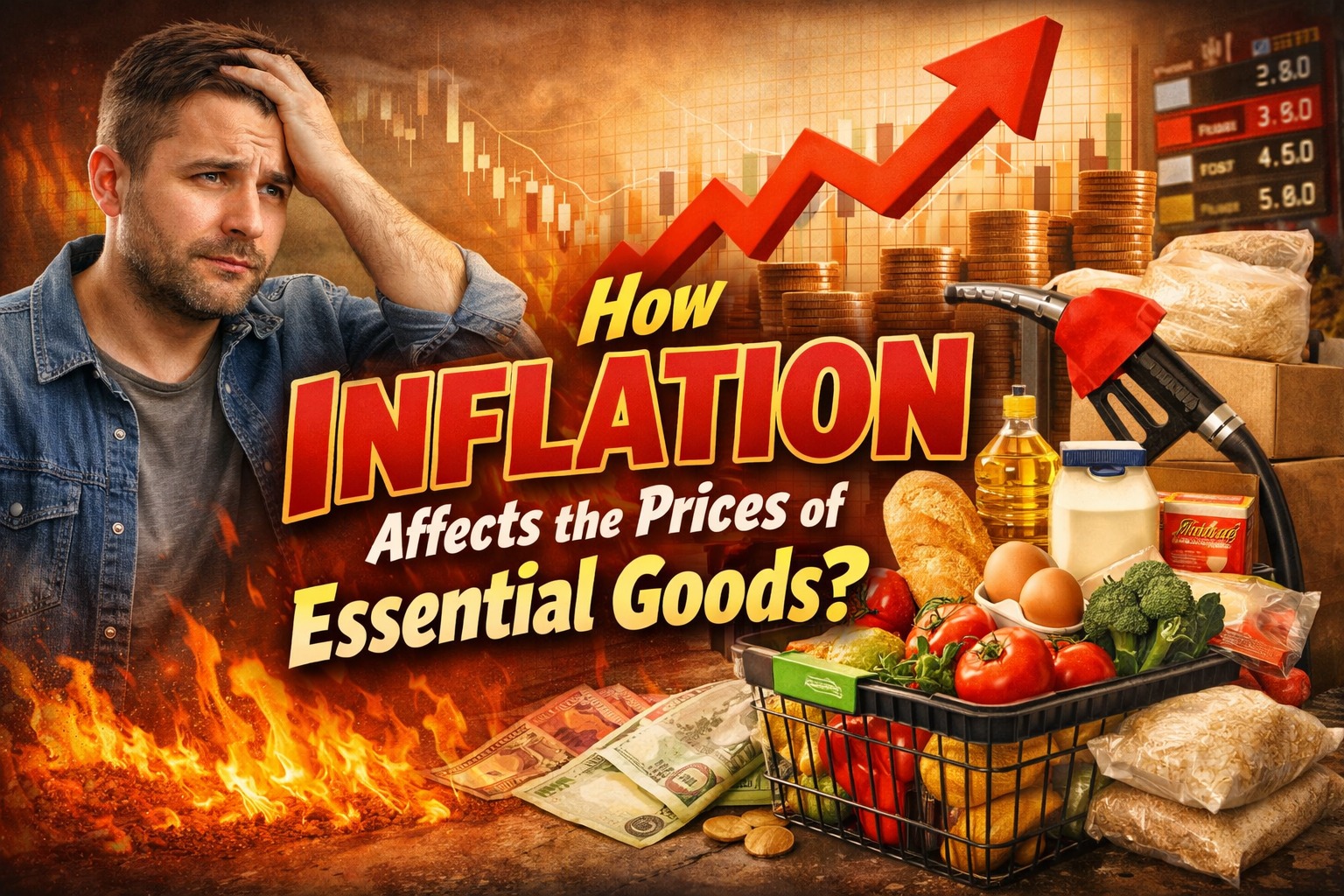
Inflation is a common economic phenomenon that affects almost every aspect of daily life. When inflation rises, the purchasing power of money decreases, meaning consumers need to spend more money to buy the same products and services. One of the most noticeable impacts of inflation is the increase in the prices of essential goods, such as food, fuel, electricity, healthcare products, and household necessities. Understanding how inflation affects these goods can help individuals and families make better financial decisions and manage their budgets more effectively.
WHAT IS INFLATION AND WHY DOES IT HAPPEN?
Inflation refers to the general increase in the prices of goods and services over time. It occurs when the demand for products exceeds supply, production costs increase, or the money supply in an economy grows faster than economic output. As prices rise, the value of money declines, making everyday purchases more expensive.
Several factors contribute to inflation, including higher raw material costs, increased wages, supply chain disruptions, and changes in government policies. Global events such as economic crises, natural disasters, or geopolitical conflicts can also accelerate inflation. As a result, consumers often experience higher living costs and reduced purchasing power.
HOW INFLATION INCREASES THE COST OF ESSENTIAL GOODS
One of the primary effects of inflation is the rising cost of essential goods. Products such as rice, vegetables, cooking oil, dairy products, and fuel become more expensive as production and transportation costs increase. Businesses often pass these additional expenses on to consumers through higher prices.
When fuel prices rise due to inflation, transportation costs also increase. This affects the distribution of goods from producers to retailers, causing prices to rise across various sectors. Consequently, consumers pay more not only for food but also for household products and daily necessities.
THE IMPACT OF INFLATION ON HOUSEHOLD BUDGETS
Inflation can significantly affect household finances because families must allocate a larger portion of their income to basic needs. Expenses for groceries, utilities, transportation, and healthcare often increase faster than income growth. This creates financial pressure, especially for low- and middle-income households.
As the prices of essential goods continue to rise, many families are forced to reduce discretionary spending on entertainment, travel, or non-essential purchases. Some households may even struggle to maintain their previous standard of living. Therefore, careful financial planning becomes increasingly important during periods of high inflation.
WHICH ESSENTIAL GOODS ARE MOST AFFECTED?
Food products are often among the first categories affected by inflation. Agricultural production depends on fuel, fertilizers, labor, and transportation, all of which can become more expensive during inflationary periods. As a result, consumers frequently notice higher prices for fresh produce, meat, dairy products, and packaged foods.
Energy-related products are also highly sensitive to inflation. Rising fuel and electricity costs can have a cascading effect throughout the economy because businesses rely on energy to manufacture and transport goods. Healthcare supplies and household necessities may also experience price increases as operational costs rise.
HOW CONSUMERS CAN COPE WITH INFLATION
Consumers can reduce the impact of inflation by adopting smarter financial habits. Creating a detailed budget, tracking expenses, and prioritizing essential purchases can help households manage rising costs more effectively. Comparing prices and purchasing products during promotions may also provide savings.
Another effective strategy is building an emergency fund and avoiding unnecessary debt. Investing in skills development and seeking additional income sources can help individuals maintain their purchasing power. By planning ahead, consumers can better navigate periods of inflation and protect their financial stability.
THE LONG-TERM EFFECTS OF INFLATION ON SOCIETY
Persistent inflation can influence consumer behavior, business investment, and overall economic growth. When prices remain high for extended periods, people may become more cautious with spending, which can affect market demand. Businesses may also face challenges in managing costs and maintaining profitability.
At the societal level, prolonged inflation can widen income inequality because lower-income households spend a larger share of their earnings on essential goods. Policymakers often implement monetary and fiscal measures to control inflation and stabilize prices. Maintaining a balanced inflation rate is crucial for sustainable economic growth and consumer confidence.
CONCLUSION
Inflation plays a significant role in determining the prices of essential goods and directly affects the cost of living. As production, transportation, and operational expenses increase, businesses often raise prices to maintain profitability. This creates financial challenges for households, particularly when income growth does not keep pace with inflation. Understanding the causes and effects of inflation can help consumers make informed financial decisions and adapt to changing economic conditions. By managing spending wisely and planning ahead, individuals can reduce the negative impact of rising prices on their daily lives.
About the Author
Gusti Ayu Tita P
Author — STEKOM University
An active author focused on academic issues, educational technology, and human resource development in the campus environment.















