
How Is Black Magic Represented in Traditional Folklore?
Gusti Ayu Tita P
10 September 2026
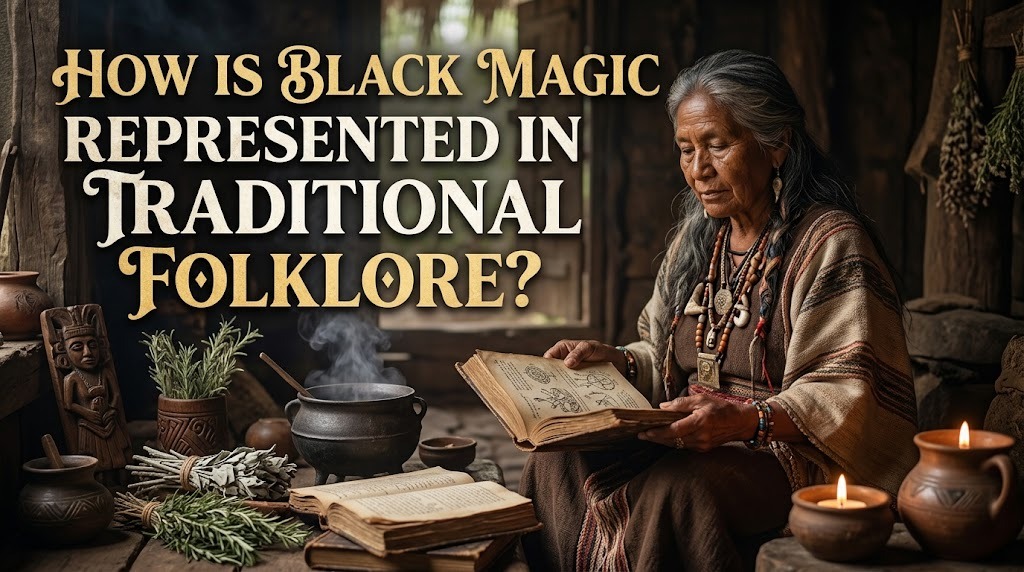
Stories about black magic have appeared in traditional folklore across many societies. Long before modern science and medicine became widespread, communities often used supernatural explanations to understand unusual events, illness, misfortune, or unexplained behavior. Over time, these explanations became part of folklore, passed from parents and elders to younger generations through stories, rituals, warnings, and legends. Although beliefs about black magic differ greatly from one culture to another, many stories share themes involving fear, mystery, supernatural power, and moral consequences.
Traditional folklore does not present black magic in one universal form. In some cultures, it is associated with curses or harmful spells, while in others it may be connected with spirits, magical objects, or forbidden practices. Understanding these stories requires looking at the cultural context in which they developed rather than treating every supernatural claim as a historical fact.
BLACK MAGIC IN TRADITIONAL FOLKLORE
In traditional folklore, black magic is commonly represented as a form of supernatural practice believed to cause harm, misfortune, or unwanted changes. Stories may describe individuals who use magical knowledge to influence another person's health, relationships, fortune, or behavior. These characters are sometimes portrayed as mysterious figures who possess secret knowledge that ordinary people do not understand. However, the meaning of black magic varies considerably because different communities have different ideas about what constitutes harmful or forbidden magic.
Folklore often uses black magic as a way to explain events that seem difficult to understand. A sudden illness, repeated bad luck, family conflict, or unexpected disaster might become the subject of a supernatural story. Such explanations should be understood as traditional beliefs and narratives, not automatically as evidence that supernatural powers caused real events.
CURSES AND SUPERNATURAL POWERS
One of the most common representations of black magic in folklore is the curse. A curse is usually described as an intentional supernatural act designed to bring misfortune to another person, family, or community. Traditional stories may include spoken words, magical objects, symbols, rituals, or supernatural beings connected to the curse. The details differ between cultures, but the central idea often involves the fear that hidden forces can influence ordinary life.
These stories frequently emphasize the consequences of using supernatural power for harmful purposes. A person who seeks revenge through magic may eventually experience problems themselves, creating a moral lesson about revenge and responsibility. As a result, black magic stories are not always intended simply to frighten audiences. They can also teach listeners about the dangers of jealousy, hatred, greed, and the misuse of power.
WITCHES, SORCERERS, AND MAGICAL FIGURES
Traditional folklore often represents black magic through characters such as witches, sorcerers, magical practitioners, or mysterious outsiders. These characters may be described as possessing special knowledge, unusual abilities, or connections with supernatural forces. Their roles can vary greatly, however, because some magical figures are portrayed as dangerous while others are presented as healers, spiritual specialists, or protectors. The distinction between helpful and harmful magic is therefore not always simple.
In European folklore, for example, stories about witches sometimes connected magical practices with fear, social suspicion, and religious beliefs. Other societies developed completely different traditions surrounding spiritual practitioners and supernatural specialists. It is important not to assume that every traditional magical practitioner was considered evil. The meaning of these figures depended heavily on the values, history, and beliefs of the communities telling the stories.
MAGICAL OBJECTS AND RITUALS IN STORIES
Black magic folklore often includes mysterious objects believed to have supernatural significance. Stories may mention charms, written symbols, dolls, amulets, potions, or enchanted items that supposedly help a character perform a magical act. These objects make folklore more memorable because they give an invisible supernatural force a physical form that audiences can imagine. They also help storytellers create suspense and mystery within the narrative.
Rituals are another important element in traditional supernatural stories. Folklore may describe secret ceremonies, spoken formulas, offerings, or symbolic actions associated with magical practices. However, these descriptions should be viewed within their historical and cultural setting. A ritual appearing in a legend does not necessarily mean that the same practice was actually performed in the way the story describes.
BLACK MAGIC AS A MORAL AND CULTURAL SYMBOL
Beyond supernatural elements, black magic often functions as a symbol of fear, forbidden knowledge, and social conflict. Folklore can use magical stories to represent anxieties that communities experience in everyday life. A mysterious curse, for example, may symbolize fear of betrayal, illness, social exclusion, or unexplained misfortune. In this way, supernatural stories can reveal important information about the people and societies that created them.
Black magic stories can also reinforce cultural values. Narratives may warn people against violating social rules, harming others, or seeking power without considering the consequences. They can therefore serve as cautionary tales that encourage particular behaviors and discourage others. Even when modern audiences do not accept the supernatural elements literally, the cultural messages within these stories can remain meaningful.
WHY BLACK MAGIC STORIES CONTINUE TO SURVIVE
Stories about black magic continue to survive because they combine mystery, fear, imagination, and cultural tradition. They are often passed down through families, communities, books, films, and other forms of popular storytelling. Each generation may adapt an older story to fit contemporary concerns while preserving important elements from the original tradition. This allows folklore to change while still maintaining connections with the past.
Modern entertainment has also given traditional black magic stories new forms. Films, novels, television programs, games, and online content frequently reinterpret witches, curses, magical rituals, and supernatural conflicts. Although these modern versions may be fictionalized or heavily dramatized, they demonstrate how traditional folklore continues to influence modern storytelling. Studying these representations can therefore help people understand both cultural history and the continuing human interest in supernatural narratives.
CONCLUSION
Black magic is represented in traditional folklore through curses, supernatural powers, magical figures, mysterious objects, rituals, and moral stories. These representations differ significantly across cultures and should be understood according to their individual historical and social contexts. Folklore about black magic often reflects human fears, cultural values, and attempts to explain events that were difficult to understand. Rather than viewing these stories only as supernatural accounts, they can also be studied as valuable expressions of cultural memory and human imagination.
About the Author
Gusti Ayu Tita P
Author — STEKOM University
An active author focused on academic issues, educational technology, and human resource development in the campus environment.















