
How MBG Helps Meet The Nutritional Needs Of School Children?
Gusti Ayu Tita P
20 Agustus 2026
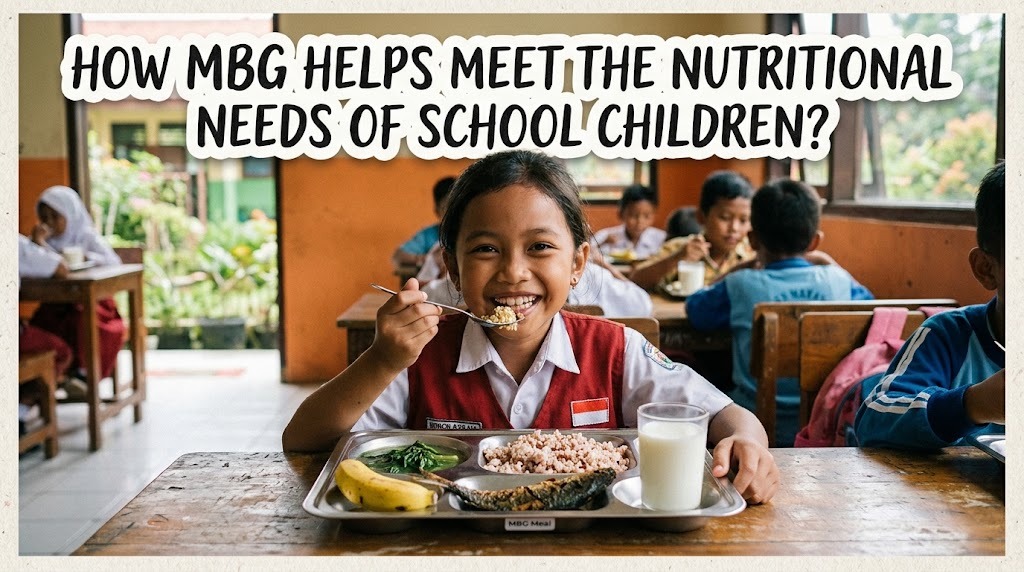
Makan Bergizi Gratis (MBG) is a government nutrition program designed to improve access to nutritious meals for targeted beneficiaries, including school children. During the school years, children need adequate energy, protein, vitamins, and minerals to support growth, learning, and daily activities. Not every child has the same access to diverse and nutritious food at home, making school-based nutrition support potentially valuable. MBG can provide an additional source of balanced food during the school day. When properly planned and implemented, the program can contribute to improving the nutritional quality and wellbeing of Indonesian children.
UNDERSTANDING THE NUTRITIONAL NEEDS OF SCHOOL CHILDREN
School children are in an important stage of physical and cognitive development. Their bodies need sufficient energy and nutrients to support bone growth, muscle development, brain function, and normal body processes. Nutritional requirements differ according to age, sex, body size, physical activity, and individual circumstances. Therefore, meals for children should provide a variety of nutrient-rich foods rather than focusing on only one type of nutrient.
A balanced diet generally includes carbohydrates, protein, healthy fats, vegetables, fruits, vitamins, minerals, and adequate fluids. Each component has a different role in supporting the body. Protein helps build and maintain body tissues, while carbohydrates provide an important source of energy. Vitamins and minerals support various normal biological functions, making dietary variety important for children's overall nutrition.
HOW MBG PROVIDES BALANCED MEALS
One of the main ways MBG can meet children's nutritional needs is by providing balanced meals during school hours. A well-planned meal can combine staple foods with protein sources, vegetables, and fruits. This gives children an opportunity to consume several food groups in one meal. The nutritional composition should be planned according to appropriate standards and the needs of the target age group.
Menu diversity is also important because children need different nutrients from different foods. Fish, eggs, meat, legumes, vegetables, fruits, and staple foods can be used as part of varied menus when they are safe and suitable. Local ingredients can also make meals more familiar and potentially support local food systems. Regular menu evaluation can help maintain nutritional quality and improve acceptance among students.
PROVIDING IMPORTANT SOURCES OF PROTEIN
Protein is essential for children's growth and development because it helps build and maintain body tissues. School children need protein as their muscles, bones, organs, and other tissues continue to develop. Protein can come from animal sources such as fish, eggs, poultry, and other foods, as well as plant sources such as beans and other legumes. Including appropriate protein sources in MBG meals can help children obtain this important nutrient.
Protein is only one part of a balanced diet, so meals should not focus on it alone. Children also require adequate energy, vitamins, minerals, healthy fats, and dietary fiber. Combining different food groups creates a more complete meal. Balanced nutrition rather than a single nutrient should remain the main focus of MBG menu planning.
PROVIDING ENERGY FOR LEARNING AND ACTIVITIES
Children need enough energy to study, play, exercise, and participate in school activities. Carbohydrates are an important source of energy and can be obtained from foods such as rice and other staple foods. Protein and fats also contribute to energy intake and other body functions. A balanced school meal can therefore provide useful nutritional support during the school day.
Hunger can make some students feel tired or distracted during lessons. Providing a nutritious meal may help reduce short-term hunger and give students additional energy for classroom activities. However, MBG should complement, not replace, meals eaten at home. Breakfast, dinner, healthy food choices, and adequate water intake remain important for meeting children's total daily nutritional needs.
SUPPORTING VITAMIN AND MINERAL INTAKE
Vitamins and minerals are needed in relatively small amounts but have important roles in normal growth and body functions. Nutrients such as iron, calcium, zinc, iodine, and various vitamins contribute to processes including blood formation, bone health, metabolism, and normal immune function. A varied diet is one of the best ways to obtain a broad range of essential nutrients. MBG can support this by including different nutrient-rich foods in its menus.
Vegetables and fruits can provide important vitamins, minerals, and dietary fiber. Animal foods and fortified foods can also provide particular micronutrients, depending on the food and preparation. Menu planning should therefore consider the overall nutritional composition rather than simply the number of food items served. Nutritional quality and dietary diversity are key elements in meeting children's needs.
SUPPORTING CHILDREN'S HEALTH AND IMMUNITY
Adequate nutrition contributes to normal immune system function and overall health. Children need sufficient nutrients to support the body's normal biological processes. A balanced diet can provide the nutritional foundation needed for healthy development. MBG can contribute to this foundation by improving access to nutritious meals for eligible students.
Nutrition alone cannot guarantee that children will remain healthy. Clean water, sanitation, handwashing, physical activity, adequate sleep, and access to healthcare are also important. Schools can combine MBG with health education to encourage these behaviors. A comprehensive approach can provide greater benefits for children's wellbeing than focusing on meals alone.
REDUCING HUNGER AND NUTRITION GAPS
Children may experience different levels of access to nutritious food because of household income, food prices, location, and other circumstances. MBG can provide an additional source of nutritious food during school hours for eligible children. This may help reduce some nutrition gaps among students. It can also provide greater consistency in access to a balanced meal at school.
However, MBG is not designed to address every cause of nutritional inequality by itself. Broader measures involving food security, healthcare, social protection, sanitation, and nutrition education may also be needed. Cooperation between families, schools, government institutions, and communities can strengthen the overall impact. Continuous monitoring can help identify areas where additional support is required.
DEVELOPING HEALTHY EATING HABITS
MBG can introduce children to healthy and diverse food choices at an early age. Regular exposure to vegetables, fruits, protein sources, and other nutritious foods may help children become more familiar with balanced meals. This can create opportunities for schools to reinforce positive attitudes toward healthy eating. Habits developed during childhood may influence food choices later in life.
Nutrition education can make this benefit stronger. Teachers can explain why different food groups are included and how they support the body. Parents can reinforce these lessons by providing nutritious meals and encouraging balanced choices at home. When schools and families work together, children receive consistent guidance about healthy nutrition.
ENSURING FOOD SAFETY AND QUALITY
Providing nutritious food is not enough if meals are not prepared and distributed safely. Food safety is essential throughout ingredient selection, preparation, storage, transportation, and serving. Food handlers need appropriate hygiene practices and training. Schools and program managers also need procedures for identifying and responding to food safety concerns.
Quality control should also ensure that meals meet appropriate nutritional standards. Menus need to provide meaningful nutritional value rather than simply containing multiple food items. Regular inspections, monitoring, and feedback can help identify problems early. Safe, nutritious, and acceptable meals should remain the core standard of MBG implementation.
THE ROLE OF FAMILIES AND SCHOOLS
MBG works best when it is supported by families and schools. Schools can help distribute meals, promote hygiene, provide nutrition education, and communicate student feedback. Teachers can encourage students to appreciate nutritious food and understand healthy eating habits. School staff can also help identify practical issues affecting meal distribution.
Families remain responsible for supporting children's overall diet outside school. Parents can provide nutritious breakfasts and evening meals and encourage children to drink enough water. They can also communicate dietary concerns to schools when appropriate. Strong cooperation between home and school can help ensure that MBG complements children's wider nutritional needs.
CONCLUSION
MBG can help meet the nutritional needs of school children by providing access to balanced meals containing important nutrients such as protein, energy, vitamins, minerals, and dietary fiber. The program can also reduce short-term hunger, support healthy eating habits, and contribute to efforts to reduce nutrition gaps. Its effectiveness depends on nutritional quality, menu diversity, food safety, proper distribution, and continuous monitoring. Families, schools, health professionals, and communities all have important roles in supporting the program. With responsible implementation, MBG can become a meaningful part of efforts to support healthier growth and development among Indonesian school children.
About the Author
Gusti Ayu Tita P
Author — STEKOM University
An active author focused on academic issues, educational technology, and human resource development in the campus environment.















