
How Much Emergency Fund Do You Really Need Based on Your Family Size?
Gusti Ayu Tita P
6 Agustus 2026
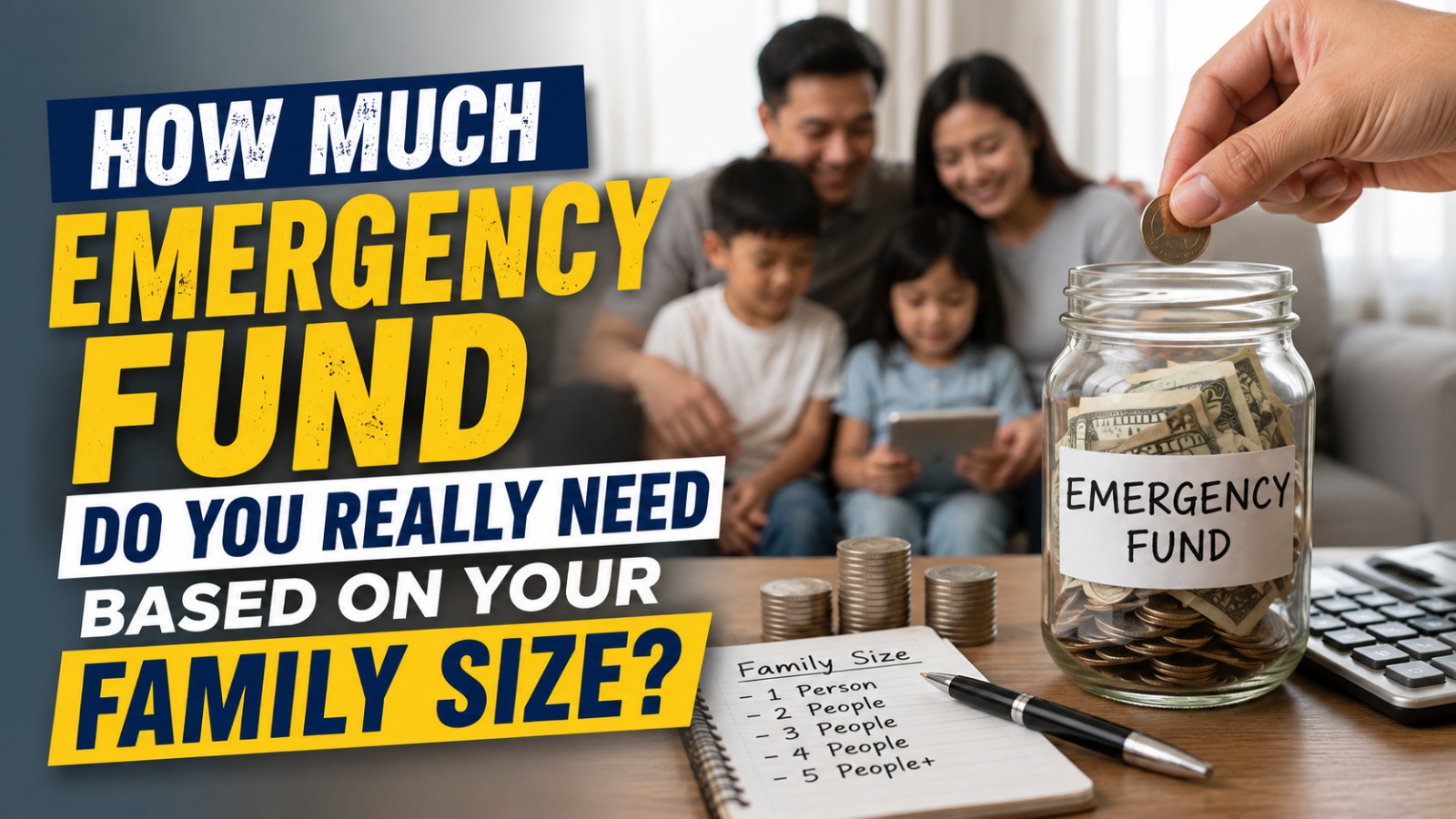
An emergency fund is a crucial part of every financial plan because it provides protection against unexpected expenses. Emergencies such as job loss, medical bills, vehicle repairs, or urgent home maintenance can happen without warning. Without enough savings, families may struggle financially and rely on debt to cover essential costs.
The amount of money you should save depends on your family size, monthly expenses, income stability, and financial responsibilities. A larger household generally requires a bigger financial cushion because daily living costs are higher. This article explains how to determine the right emergency fund based on your family size and offers practical tips for building long-term financial security.
WHY FAMILY SIZE AFFECTS YOUR EMERGENCY FUND?
Your family size plays a major role in determining how much emergency savings you need. Every additional family member increases expenses such as food, housing, healthcare, education, transportation, and other daily necessities. As household expenses grow, the amount required for emergency protection also increases.
Families with children or elderly dependents usually face greater financial responsibilities than individuals living alone. If an unexpected event affects the primary income earner, the entire household may be impacted. Therefore, calculating your emergency fund based on total monthly expenses is a practical and reliable approach to financial planning.
RECOMMENDED EMERGENCY FUND BY FAMILY SIZE
A single person with stable employment should generally save enough to cover three to six months of living expenses. This amount is usually sufficient to manage temporary financial challenges while searching for a new job or recovering from unexpected events. Individuals with irregular income should consider saving closer to six months or more.
Couples and families should aim for six to twelve months of essential expenses. Households with children often have higher financial commitments, making a larger emergency fund even more important. Families with only one income source may also benefit from building additional savings to provide greater financial stability during uncertain times.
FACTORS THAT INFLUENCE THE RIGHT AMOUNT
Although family size is important, several other factors should also be considered when determining your emergency fund target. Your job security, income consistency, debt obligations, health conditions, and monthly living costs all influence how much money you should save. People with unstable income or seasonal work may require a larger financial reserve.
It is also important to consider lifestyle changes. A growing family, increasing education costs, or higher housing expenses may require you to increase your emergency savings over time. Reviewing your financial situation annually helps ensure that your emergency fund continues to match your current needs.
HOW TO BUILD YOUR EMERGENCY FUND?
Building an emergency fund starts with setting a realistic savings goal. Calculate your essential monthly expenses, including housing, food, utilities, transportation, insurance, and healthcare. Multiply that amount by the number of months you want your emergency fund to cover. This calculation provides a clear savings target.
Save consistently by setting aside a portion of your income every month. Even small contributions can grow into a substantial emergency fund over time. Keeping your savings in a safe and easily accessible account ensures that the money is available whenever a genuine emergency occurs.
COMMON MISTAKES TO AVOID
One common mistake is saving an amount that does not reflect your actual household expenses. Many people focus only on their personal costs while forgetting family-related expenses such as childcare, education, or healthcare. This can leave the emergency fund insufficient during difficult situations.
Another mistake is using the emergency fund for non-essential purchases such as vacations, luxury items, or entertainment. Emergency savings should only be used for unexpected and necessary expenses. After using any portion of the fund, rebuilding it should become a financial priority to maintain long-term protection.
CONCLUSION
The right emergency fund depends largely on your family size, monthly expenses, and overall financial responsibilities. While there is no universal amount that fits everyone, saving enough to cover several months of essential living expenses provides valuable financial protection during unexpected situations.
Building and maintaining an emergency fund requires consistency, discipline, and regular financial reviews. By adjusting your savings as your family grows and your expenses change, you can strengthen your financial stability and enjoy greater confidence in facing life's uncertainties.
About the Author
Gusti Ayu Tita P
Author — STEKOM University
An active author focused on academic issues, educational technology, and human resource development in the campus environment.