
How Online Gambling Affects Mental Health and Emotional Well-Being?
Gusti Ayu Tita P
27 September 2026
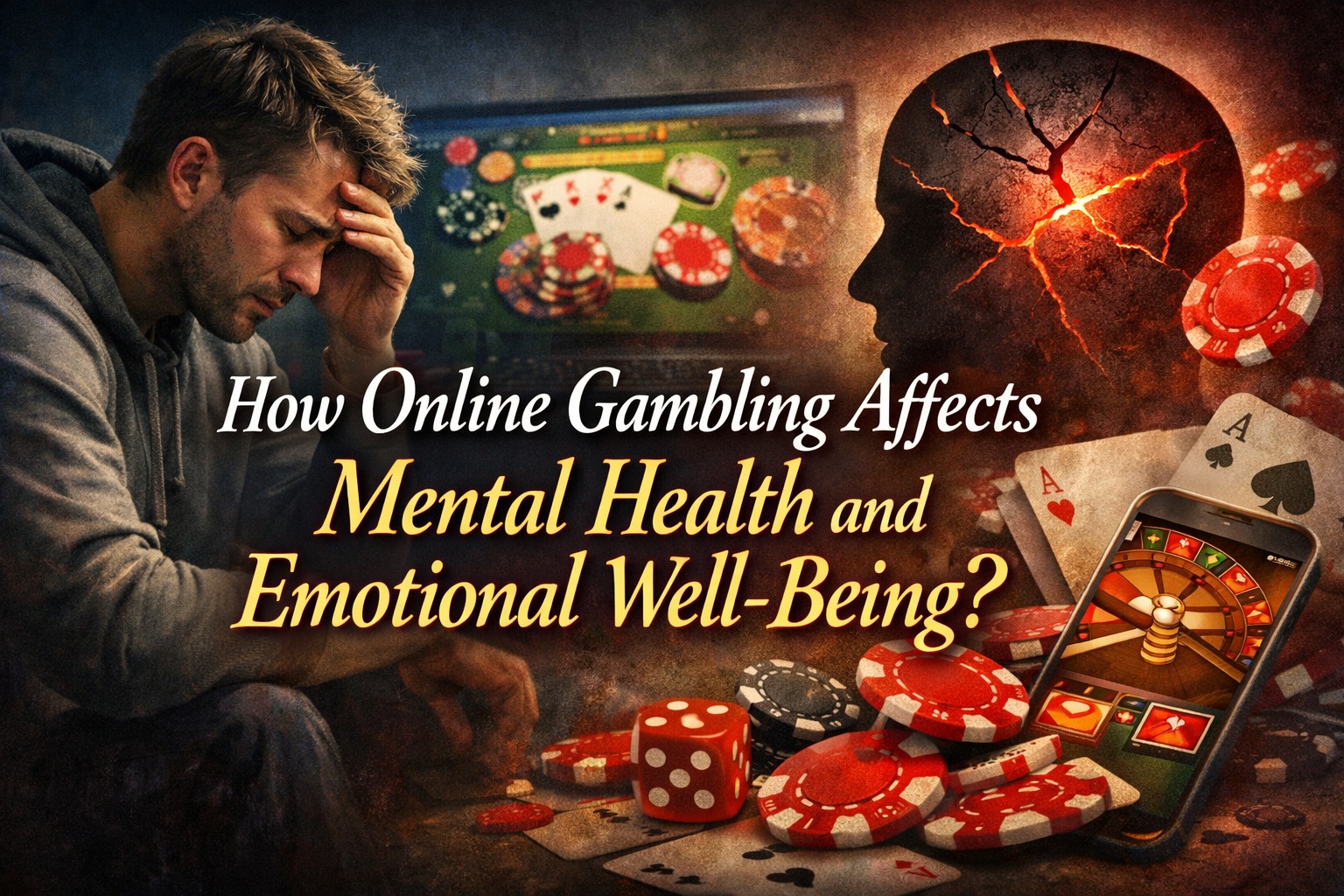
The rapid expansion of online gambling has changed the way people experience betting and casino games. With smartphones, fast internet, and digital payment systems, gambling is now more accessible than ever before. While many people see it as a form of entertainment, excessive gambling can have serious consequences for mental health and emotional well-being. Constant access to gambling platforms may increase stress, anxiety, financial pressure, and unhealthy behavioral patterns. Understanding these psychological effects is essential for promoting responsible gambling and protecting overall well-being.
UNDERSTANDING THE CONNECTION BETWEEN ONLINE GAMBLING AND MENTAL HEALTH
Online gambling affects the brain by stimulating the reward system through uncertainty and the possibility of winning money. Every win can trigger the release of dopamine, a chemical associated with pleasure and motivation. This rewarding sensation may encourage repeated gambling, especially when individuals chase previous wins or attempt to recover financial losses. Over time, this cycle can become difficult to control.
When gambling becomes excessive, it may contribute to emotional instability, mood swings, and increased psychological distress. Individuals may experience disappointment after losses, excitement after wins, and frustration when trying to stop. These emotional highs and lows can negatively influence daily life, relationships, and work performance.
ANXIETY, STRESS, AND EMOTIONAL PRESSURE
One of the most common psychological effects of online gambling is chronic stress. Financial losses, uncertainty, and repeated unsuccessful betting can create constant emotional pressure. Many individuals worry about recovering lost money, leading to ongoing anxiety and reduced peace of mind. The emotional burden often becomes heavier as gambling continues.
Stress caused by gambling may also affect physical health through poor sleep, headaches, fatigue, and difficulty concentrating. Over time, prolonged stress can reduce productivity and interfere with personal responsibilities. Recognizing these warning signs early is important for preventing more serious mental health problems.
THE RISK OF GAMBLING ADDICTION
Gambling addiction, also known as gambling disorder, develops when a person loses control over gambling behavior despite experiencing harmful consequences. Individuals may continue gambling even when it negatively affects their finances, family relationships, or career. The convenience of online platforms makes gambling available at any time, increasing the risk for vulnerable users.
As addiction progresses, people may spend more time and money gambling while neglecting other important aspects of life. They often feel unable to stop despite repeated attempts. Professional treatment, counseling, and support from family members can significantly improve recovery outcomes.
SOCIAL ISOLATION AND RELATIONSHIP PROBLEMS
Excessive online gambling can gradually lead to social isolation. Individuals may spend long hours gambling alone, reducing the time available for family, friends, and social activities. As communication decreases, personal relationships often become strained due to secrecy, broken trust, or financial conflicts.
Family members may experience emotional stress when gambling creates debt or repeated arguments. Children and partners can also be affected by the instability caused by gambling-related problems. Maintaining healthy communication and seeking support early can help reduce these negative social impacts.
FINANCIAL DIFFICULTIES AND THEIR EMOTIONAL IMPACT
Financial loss is one of the most significant consequences of excessive online gambling. Losing money repeatedly may result in financial stress, debt, and difficulty paying for daily necessities. These financial challenges often create feelings of guilt, shame, frustration, and hopelessness.
Some individuals attempt to recover their losses by gambling even more, a behavior known as chasing losses. Unfortunately, this strategy usually increases financial damage instead of solving the problem. Learning financial discipline and setting clear gambling limits are essential for reducing long-term risks.
THE IMPORTANCE OF RESPONSIBLE GAMBLING
Practicing responsible gambling helps reduce the psychological risks associated with online betting. Setting spending limits, controlling playing time, and treating gambling purely as entertainment rather than a source of income are important preventive strategies. Individuals should never gamble with money needed for essential living expenses.
Taking regular breaks, avoiding gambling during periods of emotional distress, and seeking help when gambling becomes difficult to control are equally important. Many licensed gambling platforms also provide self-exclusion tools and spending controls to support responsible behavior. Education and awareness remain the most effective ways to protect mental health.
HOW TO MAINTAIN EMOTIONAL WELL-BEING?
Maintaining emotional well-being requires balancing entertainment with healthy daily habits. Regular exercise, quality sleep, social interaction, and stress management techniques contribute to better psychological health. Individuals who experience persistent anxiety or emotional difficulties related to gambling should seek professional guidance from qualified mental health experts.
Support from family, friends, and counseling services can provide valuable encouragement during recovery. Developing healthy hobbies and financial management skills also reduces dependence on gambling for excitement or emotional relief. Long-term emotional stability is best achieved through healthy lifestyle choices and responsible decision-making.
CONCLUSION
Online gambling can significantly influence mental health and emotional well-being, particularly when gambling behavior becomes excessive or uncontrolled. Psychological effects such as anxiety, stress, addiction, financial pressure, and relationship problems may gradually develop if preventive measures are ignored. Understanding these risks allows individuals to make informed decisions and recognize early warning signs. Responsible gambling, financial discipline, emotional awareness, and professional support are essential for minimizing harm. By prioritizing mental health and maintaining balanced lifestyles, individuals can better protect themselves from the negative consequences associated with online gambling.
About the Author
Gusti Ayu Tita P
Author — STEKOM University
An active author focused on academic issues, educational technology, and human resource development in the campus environment.