
How Parents Can Support Their Firstborn Child?
Gusti Ayu Tita P
7 September 2026
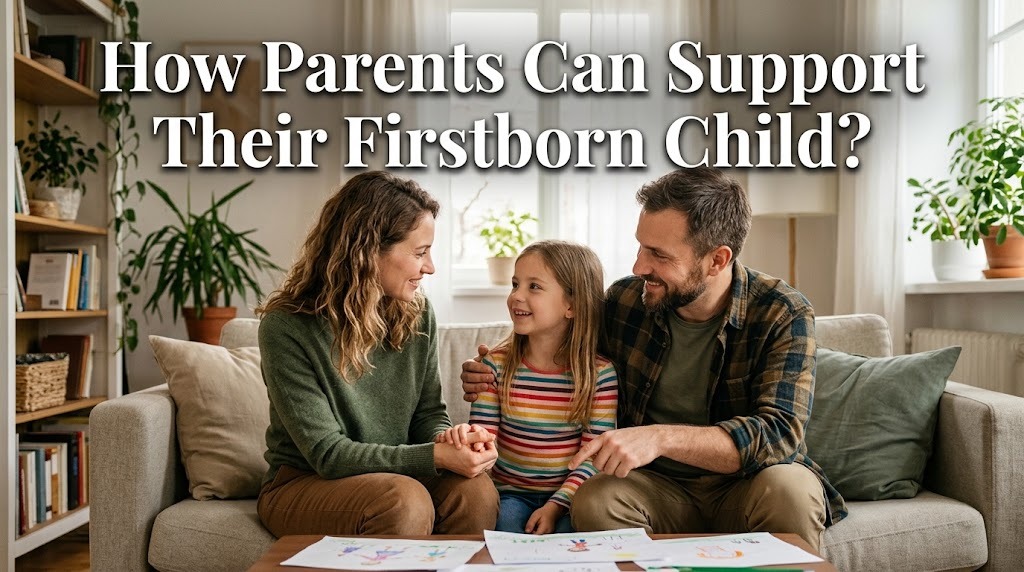
UNDERSTANDING THE FIRSTBORN CHILD'S UNIQUE POSITION
The firstborn child often experiences a unique position in the family because they are the first to receive their parents' attention and guidance. Parents may have different expectations for their first child because they are learning how to raise children for the first time. This experience can make the oldest child feel both special and responsible within the family. They may also become more aware of family rules and expectations than their younger siblings. Therefore, parents need to understand that being the firstborn does not mean having to be perfect.
Parents can support their firstborn by creating a home environment where the child feels comfortable expressing emotions and asking for help. Open communication can help children understand that their parents are available when they face difficulties. Parents should also avoid comparing the firstborn with younger siblings because every child has different abilities and personalities. Giving the child opportunities to make age appropriate decisions can also help develop confidence. Most importantly, parents should show that their love does not depend on achievements, obedience, or responsibility.
PROVIDING EMOTIONAL SUPPORT AND OPEN COMMUNICATION
Emotional support is important for every child, including the firstborn. Some oldest children may feel that they need to behave well because they believe their parents expect more from them. When these feelings are not discussed, children may keep their worries to themselves. Parents can prevent this by regularly asking about their child's feelings, experiences, and concerns. Listening without immediately judging or criticizing can make children feel respected and understood.
Parents should also teach their firstborn that asking for help is not a sign of weakness. A child can be responsible while still needing guidance from parents and other trusted adults. Simple conversations about school, friendships, family changes, or personal goals can strengthen the parent child relationship. Parents can also acknowledge their child's efforts instead of focusing only on results. This approach helps build emotional security and self confidence as the child grows.
AVOIDING TOO MUCH RESPONSIBILITY
Firstborn children may naturally become helpful members of the family, but parents should be careful not to give them responsibilities beyond their age. Asking an older child to help with simple household tasks can teach responsibility and independence. However, expecting the firstborn to constantly care for younger siblings can create unnecessary pressure. Parents should make it clear that caring for siblings is primarily an adult responsibility. The firstborn should still have enough time for school, friendships, hobbies, and personal development.
A healthy balance allows children to learn responsibility without feeling that they must act like another parent. Parents can explain which tasks are appropriate and recognize their child's contribution. They should also allow younger siblings to have their own responsibilities instead of depending too heavily on the oldest child. This creates a more balanced family relationship where everyone contributes according to their age and ability. Supporting independence means giving the firstborn space to experience childhood while gradually preparing them for adulthood.
SUPPORTING THEIR INTERESTS AND INDIVIDUALITY
Parents should remember that the firstborn is an individual, not simply a role model for younger siblings. Children may have interests, talents, and goals that are completely different from their brothers or sisters. Supporting these differences helps develop a stronger sense of identity and self expression. Parents can encourage their firstborn to explore activities that match their interests rather than forcing them to follow family expectations. Whether the child enjoys sports, art, technology, reading, or another activity, genuine encouragement can make a meaningful difference.
It is also important to avoid treating the firstborn as a standard that younger siblings must follow. Comparisons can create competition and make family relationships more difficult. Instead, parents can celebrate each child's individual progress and achievements. The firstborn should understand that they do not need to be perfect simply because they are the oldest. Acceptance of individuality can help the child develop confidence and maintain a positive relationship with siblings.
BUILDING A HEALTHY RELATIONSHIP WITH SIBLINGS
Parents play an important role in helping firstborn children develop healthy relationships with younger siblings. The oldest child can be encouraged to share, communicate, and cooperate, but they should not be forced to solve every disagreement. When conflicts happen, parents can guide children toward respectful communication rather than automatically blaming the oldest child. This teaches siblings that disagreements can be handled without creating long term resentment. Parents should also give each child opportunities to spend individual time with them.
Family activities can help strengthen relationships between siblings while creating positive memories. Simple activities such as playing games, preparing meals, exercising, or talking together can encourage cooperation. Parents should recognize that sibling relationships naturally include disagreements and different personalities. Their role is to provide guidance while allowing children to develop their own relationship over time. With consistent support, the firstborn can become a caring sibling without feeling responsible for controlling everyone else.
CREATING A BALANCED AND SUPPORTIVE FAMILY ENVIRONMENT
The best way to support a firstborn child is to create a family environment based on love, trust, fairness, and realistic expectations. Parents should appreciate the positive qualities that often develop in oldest children while remembering that these qualities should not become burdens. The firstborn needs permission to make mistakes, change their mind, and learn from experience. Parents can provide guidance while still allowing the child to develop independence. A supportive environment helps children understand that their value comes from who they are, not only from what they accomplish.
Parents should also regularly evaluate whether their expectations are appropriate for the child's age and personality. Family rules should be clear and applied fairly, while responsibilities should be shared among family members. When parents provide emotional support and respect personal boundaries, the firstborn is more likely to develop a healthy sense of responsibility. A strong parent child relationship can give the oldest child confidence when facing challenges inside and outside the family. Ultimately, supporting the firstborn means helping them grow without making them carry the entire family's expectations.
CONCLUSION
Supporting a firstborn child requires understanding, communication, balance, and emotional support. Parents should appreciate the child's helpful nature without placing excessive responsibility on their shoulders. Giving the firstborn freedom to develop their own interests can strengthen confidence and individuality. At the same time, fair treatment can help create healthier relationships between siblings. By providing realistic expectations and consistent love, parents can help their firstborn grow into a confident and responsible person without feeling pressured to be perfect.
About the Author
Gusti Ayu Tita P
Author — STEKOM University
An active author focused on academic issues, educational technology, and human resource development in the campus environment.















