
How Public Transit Is Changing Urban Mobility?
Gusti Ayu Tita P
11 Agustus 2026
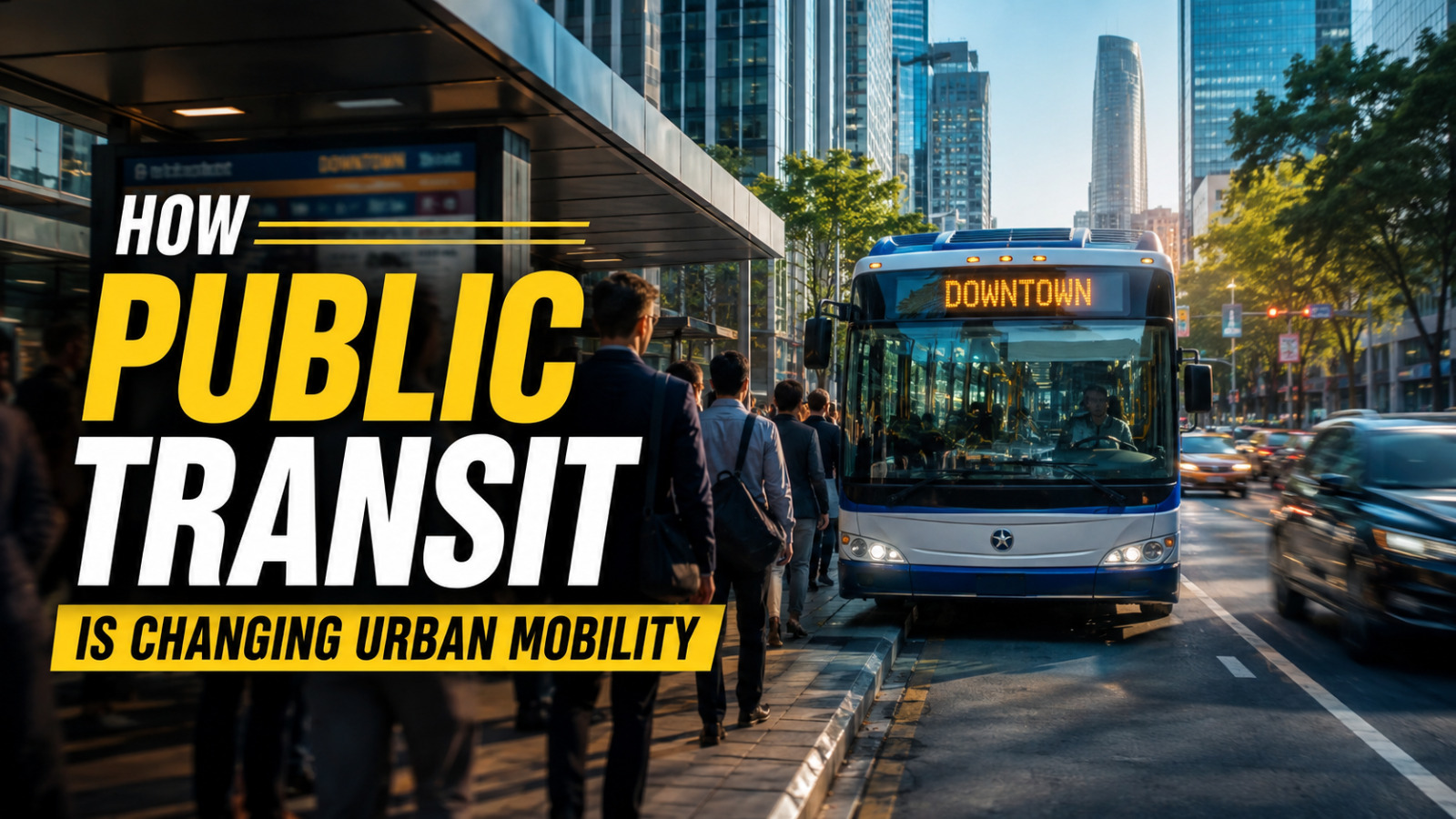
Urban areas are growing rapidly, and the way people move around cities is changing with them. Public transit has become an important part of modern urban mobility because it can move large numbers of people efficiently while reducing dependence on private vehicles. Buses, trains, subways, and other shared transportation services are increasingly supported by digital technology and improved infrastructure.
As cities face problems such as traffic congestion, pollution, and limited road space, better public transportation can provide a practical solution. Reliable transit systems can make daily travel more convenient, affordable, and accessible for different groups of people.
THE GROWING IMPORTANCE OF PUBLIC TRANSIT
Public transit plays a major role in helping people travel between homes, workplaces, schools, shopping areas, and public facilities. Unlike private cars, public transportation can carry many passengers at the same time, making urban travel more efficient. A well-planned transit network can also connect neighborhoods that are located far from major city centers.
The growing urban population makes this role increasingly important. When more people depend on private vehicles, roads can become crowded and travel times can increase. Expanding and improving public transit gives residents another reliable transportation option while helping cities use existing road space more efficiently.
HOW PUBLIC TRANSIT REDUCES TRAFFIC CONGESTION
Traffic congestion is one of the most common problems in growing cities. When large numbers of people use private cars and motorcycles, the demand for road space can quickly exceed available capacity. Public buses and trains can transport many passengers using fewer vehicles, which can help reduce the number of private vehicles on busy roads.
An effective transit system can also encourage people to leave their cars at home. Frequent services, convenient routes, and dependable schedules make public transit more attractive for daily commuters. When more residents choose shared transportation, cities can potentially reduce pressure on major roads and improve overall traffic movement.
DIGITAL TECHNOLOGY MAKES TRANSIT MORE CONVENIENT
Technology is transforming the way passengers use public transportation. Mobile applications can provide real-time arrival information, route planning, digital payments, and service updates. These features help passengers plan their journeys and reduce uncertainty while waiting for buses or trains.
Transport operators can also use digital systems to improve operations. Data from vehicles, stations, and passenger activity can help agencies understand travel patterns and identify areas that need better service. Smart transportation technology therefore benefits both passengers and transit providers by supporting more efficient decision-making.
PUBLIC TRANSIT SUPPORTS MORE SUSTAINABLE CITIES
Transportation is closely connected to environmental sustainability. Vehicles that rely heavily on fossil fuels can contribute to air pollution and greenhouse gas emissions. Public transit, particularly when supported by electric buses, rail systems, and cleaner energy sources, can help cities move toward more sustainable mobility.
The environmental benefits depend on factors such as vehicle technology, passenger numbers, energy sources, and system efficiency. However, encouraging shared transportation can reduce the number of individual vehicles needed for daily journeys. Better public transit can therefore become an important part of a broader strategy for cleaner urban development.
AFFORDABLE MOBILITY CREATES BETTER ACCESS
Transportation costs can significantly affect people's ability to access jobs, education, healthcare, and other essential services. Public transit generally provides a more affordable option than owning and operating a private vehicle. Accessible fares and well-connected routes can help residents travel more easily without the financial burden of car ownership.
Affordable transportation is particularly important for people who cannot drive or do not have access to a private vehicle. Students, older adults, workers, and people with limited mobility can benefit from dependable transit services. By improving connectivity between different areas, public transportation can help create more inclusive urban mobility.
BETTER TRANSIT CAN IMPROVE DAILY LIFE
A reliable transportation system can make everyday activities easier and more predictable. Passengers benefit when buses and trains operate according to consistent schedules and provide clear information about routes and delays. Reliability is one of the most important factors influencing people's willingness to use public transit regularly.
Passenger comfort and safety also matter. Clean vehicles, accessible stations, adequate lighting, comfortable waiting areas, and clear signs can create a better travel experience. When transit agencies focus on both operational performance and passenger needs, public transportation can become a more attractive choice for everyday travel.
PUBLIC TRANSIT CAN SUPPORT URBAN ECONOMIC GROWTH
Transportation infrastructure can influence economic activity by connecting people with employment opportunities and businesses with customers. A strong transit network can make commercial areas easier to reach and improve access to workplaces. Better connectivity can help cities create stronger links between residential communities and economic centers.
Public transit can also support local businesses around stations and transit corridors. Areas with convenient transportation access may attract more visitors, workers, and investment. Although transit alone does not guarantee economic growth, efficient mobility can provide an important foundation for broader urban development.
CHALLENGES IN DEVELOPING MODERN PUBLIC TRANSIT
Despite its benefits, public transportation faces several challenges. Cities may need significant investment to build new infrastructure, maintain existing vehicles, expand routes, and improve stations. Funding, land availability, operational management, and population growth can make transit planning complex.
Another challenge is ensuring that different transportation modes work together effectively. Buses, trains, walking routes, bicycles, and other mobility services should ideally provide convenient connections. Integrated transportation planning can help reduce gaps between different parts of the urban mobility system and make journeys smoother.
THE FUTURE OF URBAN MOBILITY
The future of urban mobility is likely to involve greater integration between transportation, technology, and city planning. Real-time data, intelligent traffic management, digital ticketing, and cleaner vehicles can make public transit more responsive to passenger needs. Cities may also focus more on connecting public transportation with walking and cycling infrastructure.
However, technology should support rather than replace the basic principles of good transit. Reliable service, reasonable fares, safety, accessibility, and convenient routes will remain essential. The most successful urban mobility systems will likely combine modern technology with thoughtful planning and a strong understanding of how people move through cities.
CONCLUSION
Public transit is changing urban mobility by providing cities with a more efficient and inclusive way to move people. Reliable buses, trains, digital services, and better-connected networks can help address traffic congestion while improving access to jobs, education, and essential services. Public transportation can also contribute to sustainability when cities invest in cleaner vehicles and efficient infrastructure.
As urban populations continue to grow, the demand for practical mobility solutions will increase. Improving public transit is not only about adding more vehicles or routes but also about creating a transportation system that is reliable, affordable, accessible, safe, and convenient. With effective planning and responsible use of technology, public transit can play an increasingly important role in shaping better cities.
About the Author
Gusti Ayu Tita P
Author — STEKOM University
An active author focused on academic issues, educational technology, and human resource development in the campus environment.















