
How Ship Captains Ensure The Safety Of Passengers And Crew?
Gusti Ayu Tita P
23 Juli 2026
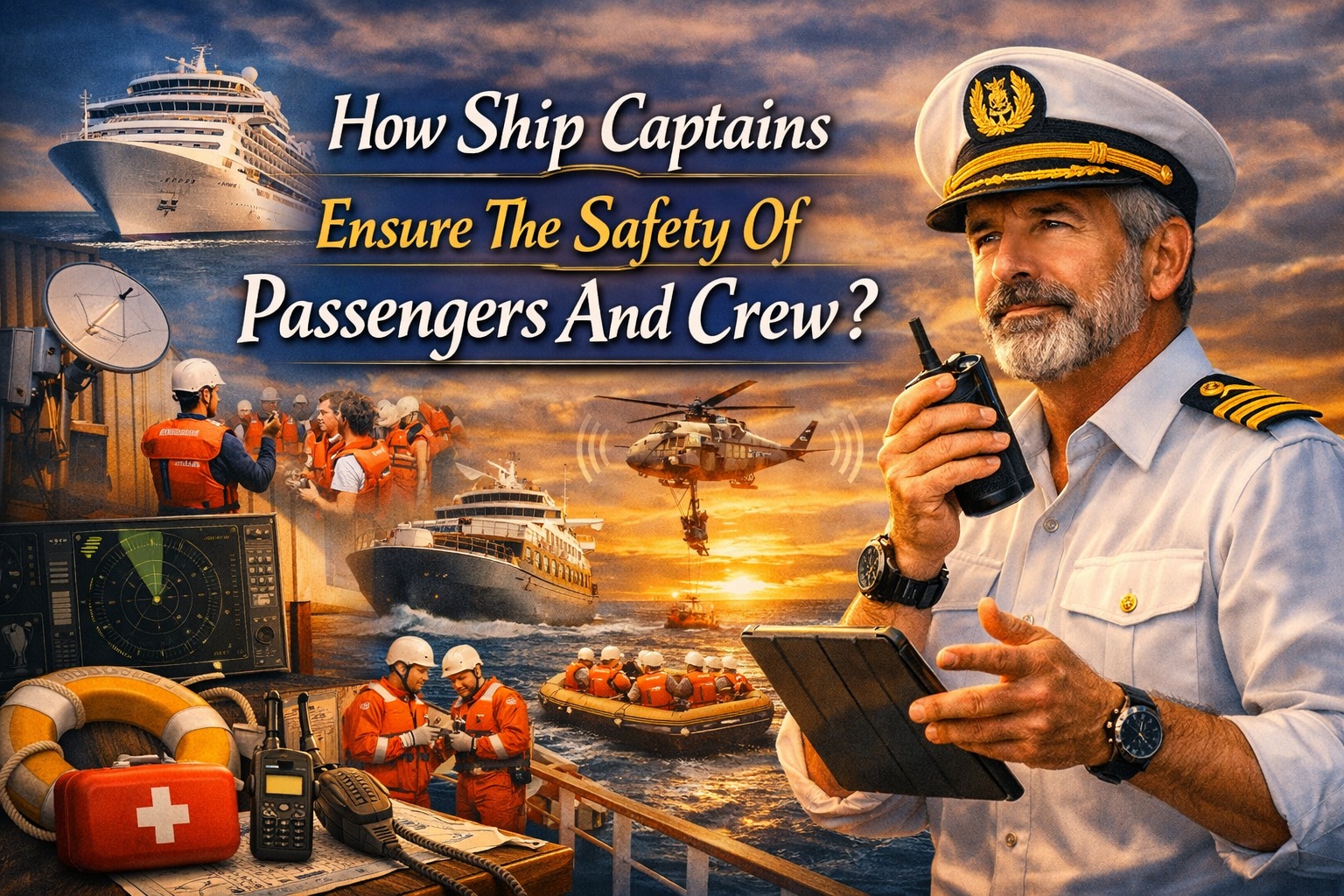
Ship captains have the highest responsibility when it comes to maintaining the safety of passengers, crew members, and the vessel itself. During every voyage, captains must make important decisions related to navigation safety, weather conditions, emergency situations, and daily operations on board. Their role is not only to control the ship but also to ensure that all safety procedures are properly followed.
Modern ships operate with advanced technology and strict maritime regulations, but human leadership remains a key factor in preventing accidents. A skilled captain combines experience, knowledge, and leadership skills to create a safe environment for everyone on the vessel. Through careful planning and effective management, captains reduce risks and improve the overall safety of maritime journeys.
FOLLOWING STRICT SAFETY REGULATIONS AND PROCEDURES
One of the main ways ship captains ensure safety is by following international maritime regulations and safety standards. Captains must make sure that the vessel complies with rules established by organizations such as the International Maritime Organization (IMO). These regulations cover important areas including emergency preparation, navigation procedures, equipment maintenance, and crew responsibilities.
Before and during a voyage, captains regularly check whether all safety systems are working properly. They ensure that lifeboats, fire protection systems, communication devices, and navigation equipment are ready for use during emergencies. By maintaining strict safety procedures, captains help prevent accidents and protect everyone on board.
Captains also conduct safety briefings to make sure that crew members understand their duties. Every crew member must know their role during emergency situations such as fires, collisions, or evacuation procedures. This preparation allows the team to respond quickly and effectively when unexpected problems occur.
USING ADVANCED NAVIGATION TECHNOLOGY
Technology plays an important role in helping captains maintain safe voyages. Modern ships are equipped with advanced tools such as GPS systems, radar, electronic charts, and automatic identification systems. These technologies allow captains to monitor the ship’s position, identify potential dangers, and choose safer routes.
Although technology provides valuable support, captains must still use their professional judgment. Weather changes, heavy traffic areas, and unexpected obstacles require human decision-making. Experienced captains analyze information from various systems to determine the safest actions for the vessel.
The combination of modern technology and captain expertise creates a stronger safety system. Captains continuously monitor navigation conditions and make adjustments when necessary. This approach helps reduce the possibility of accidents and ensures a smoother journey for passengers and crew.
MANAGING CREW PERFORMANCE AND TRAINING
A safe ship depends greatly on the ability and discipline of its crew members. Captains are responsible for ensuring that all crew members receive proper training and understand safety responsibilities. Regular training programs help improve skills related to emergency response, first aid, firefighting, and evacuation procedures.
Captains also create a strong safety culture on board by encouraging teamwork and communication. Crew members must feel confident reporting problems or dangerous situations without hesitation. Effective communication between the captain and crew can prevent small issues from becoming serious accidents.
In addition, captains regularly evaluate crew performance to maintain high operational standards. They make sure that every department works together efficiently. Good leadership from the captain helps build a professional and safety-focused working environment.
MONITORING WEATHER AND SEA CONDITIONS
Weather and sea conditions are major factors that affect maritime safety. Before and during voyages, captains carefully monitor weather forecasts, ocean conditions, and possible hazards. This information helps them decide whether the ship should continue, change routes, or slow down for safety reasons.
Strong winds, high waves, storms, and poor visibility can create dangerous situations for ships. Captains use their experience and available technology to predict risks and take preventive actions. Avoiding dangerous conditions is one of the most important responsibilities of a captain.
By making careful decisions based on accurate information, captains protect passengers and crew from unnecessary risks. Their ability to respond to changing conditions is essential for maintaining a safe and reliable voyage.
PREPARING FOR EMERGENCY SITUATIONS
Even with careful planning, emergencies can still happen at sea. Therefore, ship captains must always prepare for unexpected events such as mechanical failures, fires, medical emergencies, or severe weather conditions. Emergency plans are created and practiced regularly to ensure everyone knows what to do.
Captains lead emergency operations and coordinate actions between different teams on board. They must remain calm, make quick decisions, and provide clear instructions during stressful situations. Strong leadership is especially important when the safety of many people depends on their actions.
Regular emergency drills help passengers and crew understand evacuation procedures and safety measures. These exercises increase confidence and reduce panic during real emergencies. Through proper preparation, captains improve the chances of protecting everyone on the vessel.
MAINTAINING EFFECTIVE COMMUNICATION ON BOARD
Communication is a critical element in maritime safety. Captains must maintain clear communication with crew members, port authorities, and other vessels. Accurate information exchange helps prevent misunderstandings and supports better decision-making.
Inside the ship, captains encourage open communication between departments. Engineers, deck officers, and other crew members must share important updates about equipment conditions or operational concerns. This teamwork allows problems to be identified and solved quickly.
Good communication also improves passenger safety. Captains ensure that passengers receive important information about safety rules, emergency procedures, and travel conditions. Clear instructions help create a more comfortable and secure experience during the voyage.
CONCLUSION
Ship captains play a vital role in protecting passengers and crew throughout every voyage. Their responsibilities include following safety regulations, managing crew performance, using navigation technology, monitoring weather conditions, and preparing for emergencies. A captain’s decisions can greatly influence the success and safety of maritime operations.
Through strong leadership, proper training, and careful planning, captains create safer environments on board. Although modern equipment supports maritime safety, the knowledge and responsibility of the captain remain essential. By continuously improving skills and following safety standards, ship captains help ensure safe and reliable journeys for everyone at sea.
About the Author
Gusti Ayu Tita P
Author — STEKOM University
An active author focused on academic issues, educational technology, and human resource development in the campus environment.















