
How Should You Refuel Your Vehicle at a Gas Station?
Gusti Ayu Tita P
17 September 2026
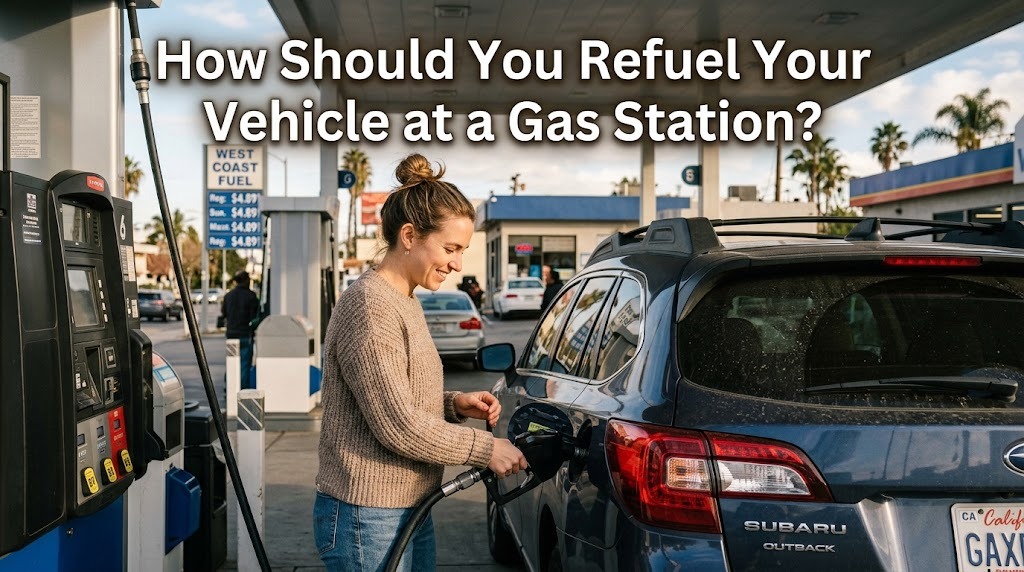
Refueling a vehicle at a gas station is a common activity for drivers, but it still requires attention and proper procedures. Following the correct steps can help prevent spills, protect the vehicle, and maintain safety around fuel. Drivers should also understand how to choose the appropriate fuel and use the equipment correctly. Simple habits can make the refueling process more efficient and safe. Therefore, knowing how to refuel properly is useful for every vehicle owner.
PREPARE YOUR VEHICLE BEFORE REFUELING
Before entering a gas station, reduce your speed and follow the traffic signs and lane directions provided by the station. Choose a suitable fuel pump based on the fuel recommended for your vehicle. Once the vehicle is in the correct position, put it in park or neutral according to the vehicle type and apply the parking brake. Make sure the vehicle is positioned close enough to the pump so the fuel nozzle can reach the fuel tank safely. Proper positioning makes the refueling process easier and reduces unnecessary movement.
The engine must be turned off before refueling begins. Drivers should also avoid smoking or using anything that could create a flame or spark near the fuel area. It is better to remain attentive and avoid unnecessary activities while fuel is being dispensed. If passengers are present, they should follow the safety instructions provided by the gas station. These simple preparations help create a safer environment for everyone.
CHOOSE THE RIGHT FUEL FOR YOUR VEHICLE
Choosing the correct fuel type is one of the most important parts of refueling. Different vehicles are designed to use specific types of fuel, such as gasoline or diesel. The recommended fuel can usually be found in the vehicle owner's manual, near the fuel door, or on information provided by the manufacturer. Using the wrong fuel can cause performance problems and may require professional assistance to correct the situation. Drivers should therefore check the fuel requirement before inserting the nozzle.
Fuel grades can also differ according to their octane or quality specifications. For gasoline vehicles, the manufacturer normally recommends a minimum octane rating that the engine is designed to handle. Drivers should not automatically assume that a higher-priced or higher-octane fuel is always necessary. The best choice is the fuel that meets the manufacturer's requirements for the specific vehicle. Following these recommendations can support proper engine operation and avoid unnecessary fuel expenses.
FOLLOW THE CORRECT REFUELING STEPS
After selecting the correct pump, open the vehicle's fuel door and remove the fuel cap if necessary. Select the appropriate fuel nozzle and insert it securely into the fuel filler opening. Start dispensing the fuel by using the pump handle according to the instructions on the machine. Stay near the pump and pay attention while the fuel is flowing. Most modern pumps automatically stop dispensing when the tank reaches the appropriate level.
Do not attempt to force additional fuel into the tank after the pump has automatically stopped. Overfilling can cause fuel spills and may allow fuel vapors to escape unnecessarily. If fuel is accidentally spilled, inform the gas station staff so it can be handled safely. After refueling, return the nozzle to its proper holder and close the fuel cap securely. Check that everything is properly closed before starting the vehicle and leaving the station.
MAINTAIN SAFETY DURING REFUELING
Safety should remain the main priority while refueling because fuel is highly flammable. Drivers should keep cigarettes, lighters, matches, and other sources of ignition away from the fueling area. The vehicle engine should remain off until refueling has been completed. Drivers should also avoid getting distracted by mobile devices or other activities while handling fuel. Following the gas station's safety instructions can reduce unnecessary risks.
It is also important to keep children under supervision around fuel pumps. Do not allow children to play near vehicles, pumps, or areas where fuel may be present. If you notice damaged equipment, unusual fuel odors, or a leaking hose, notify station staff immediately. Drivers should never attempt to repair fuel equipment themselves. A safe refueling environment depends on responsible behavior from both customers and gas station employees.
COMPLETE THE PROCESS BEFORE LEAVING
When the tank has been filled to the desired level, make sure the fuel nozzle is returned correctly to the pump. Close the fuel cap and fuel door firmly before moving the vehicle. If you paid at the pump or through a cashier, check that the payment has been completed and keep the receipt if needed. Take a moment to make sure no personal belongings are left around the pump. Only leave after confirming that the vehicle and surrounding area are clear.
Drivers should also follow the station's traffic flow when leaving the fueling area. Avoid making sudden turns or driving too quickly because other vehicles and pedestrians may be nearby. If the station has a designated exit, use it instead of moving through restricted areas. Good awareness is especially important at busy gas stations where several vehicles may be refueling at the same time. A careful departure completes the refueling process safely and efficiently.
CONCLUSION
Refueling a vehicle correctly requires more than simply filling the tank with fuel. Drivers should turn off the engine, choose the correct fuel, follow the pump instructions, and avoid sources of ignition during the process. Paying attention to fuel quality, preventing spills, and following station safety rules can also improve the overall refueling experience. These habits are simple but important for protecting both people and vehicles. By following the proper procedure every time, drivers can make refueling safer, easier, and more efficient.
About the Author
Gusti Ayu Tita P
Author — STEKOM University
An active author focused on academic issues, educational technology, and human resource development in the campus environment.















