
How Small Symbols Shape Student Status and Social Perception on Campus?
Gusti Ayu Tita P
10 September 2026
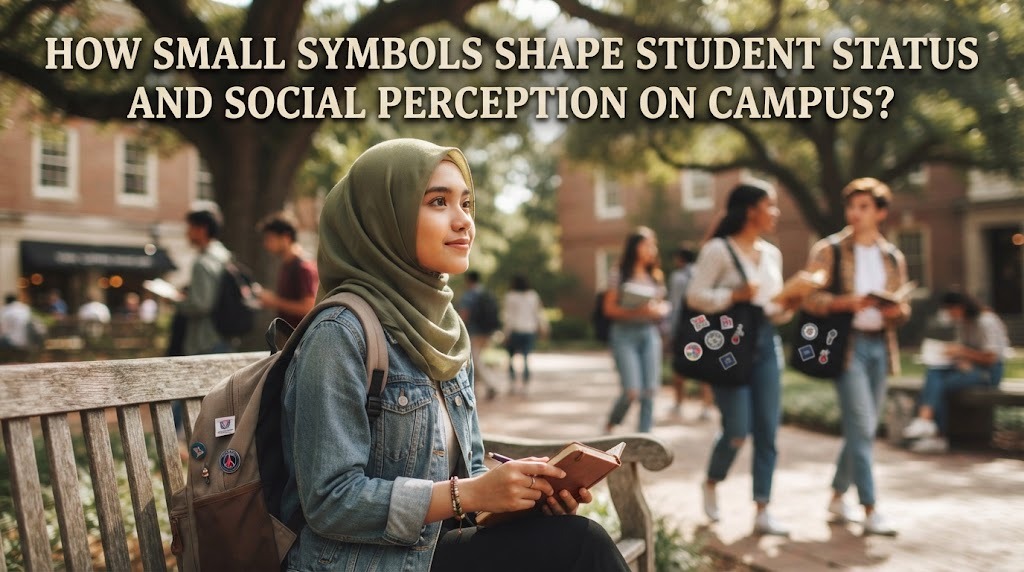
Campus life is not only about academic achievement. Students are also often judged through small details such as clothing, gadgets, speaking style, social media activity, and daily behavior. These details can create impressions about a person's personality, lifestyle, and social position. Although they may seem simple, small symbols can influence how students are perceived by others.
UNDERSTANDING SMALL SYMBOLS ON CAMPUS
Small symbols are visible or noticeable details that can communicate information about a student. Clothing brands, accessories, smartphones, bags, and even the way someone speaks may become part of this social communication. People often use these signals to make quick judgments before they know someone more deeply. The meaning of these symbols depends heavily on the social environment and context.
For example, a student who dresses neatly may be perceived as organized or confident. A student who frequently uses certain technology may be viewed as financially comfortable or interested in technology. However, these assumptions are not always accurate. Appearance can create an impression, but it does not fully describe a person's real abilities or character.
CLOTHING AND PERSONAL APPEARANCE
Clothing is one of the easiest symbols to notice in everyday campus life. Students may express their personality through colors, styles, accessories, or clothing brands. A neat and suitable appearance can create a positive first impression during classes, presentations, or organizational activities. Personal appearance can become part of a student's visual identity.
However, clothing should not be treated as a direct measure of social status. Some students choose branded products because they like the design, while others prioritize affordable and practical clothing. Differences in fashion choices are normal in a diverse campus environment. What matters most is maintaining cleanliness, appropriateness, and personal comfort.
GADGETS AS SOCIAL SYMBOLS
Smartphones, laptops, tablets, and other gadgets are common parts of student life. Besides supporting academic activities, these devices can sometimes become symbols of lifestyle and economic position. Certain gadgets may attract attention because of their brand, design, or price. As a result, people may form assumptions about the owner based on the technology they use.
However, the actual purpose of a gadget is more important than its appearance. Students use technology for studying, communication, creative work, business, entertainment, and many other activities. A less expensive device can be just as useful when it meets the user's needs. The value of technology should be measured by its function rather than its social image.
SPEAKING STYLE AND SOCIAL PERCEPTION
The way students communicate can strongly influence how others perceive them. Vocabulary, tone, confidence, politeness, and listening skills can create different impressions. Someone who communicates clearly may be considered confident and knowledgeable. Good communication can help students build trust and stronger relationships.
Speaking style can also reflect the ability to adapt to different situations. Casual language may be appropriate when talking with close friends, while more formal communication may be needed during presentations or professional activities. Students do not need to change their personality to impress everyone. Instead, developing clear, respectful, and appropriate communication can strengthen their social image.
SOCIAL MEDIA AS A DIGITAL SYMBOL
Social media has expanded the way students present themselves to others. Photos, captions, achievements, activities, and shared interests can become part of a student's digital identity. People who have never interacted with a student directly may still form an impression through their online presence. A digital footprint can therefore influence social perception both inside and outside campus.
Students should be aware that online content can remain accessible for a long time. Posting achievements is not necessarily a problem, but excessive efforts to appear successful may create an unrealistic image. A healthier approach is to share content that reflects genuine interests, skills, experiences, and values. Authenticity is more sustainable than trying to create a perfect online image.
FRIENDSHIP GROUPS AND SOCIAL STATUS
The people students interact with can also influence how they are perceived. Being active in organizations, communities, academic groups, or professional networks may increase a student's visibility on campus. Students can become known because of their activities and relationships rather than their academic performance alone. Social networks can influence opportunities and perceptions.
However, having many connections does not automatically mean having higher social value. Healthy relationships should be built on respect, trust, and mutual support. Students should avoid choosing friends only because of their popularity or perceived status. Quality relationships are more meaningful than social recognition.
THE ROLE OF FIRST IMPRESSIONS
Small symbols often influence first impressions because people usually notice visible information before understanding someone's deeper qualities. Clothing, facial expressions, communication style, and behavior can affect how an initial interaction feels. These impressions can sometimes develop quickly and influence future interactions. First impressions matter, but they can change as people gain more information.
Students should therefore avoid judging others too quickly. A person who appears quiet may have strong leadership skills, while someone who looks confident may still be struggling internally. Social perception is influenced by assumptions, and assumptions can be wrong. Getting to know someone directly is more reliable than judging them through symbols alone.
BUILDING A HEALTHY SOCIAL IMAGE
Students can build a positive social image without competing over expensive possessions or popularity. Simple habits such as being punctual, respectful, responsible, and consistent can create a stronger impression than material symbols. Academic work, organizational experience, and useful skills can also demonstrate real value. Character and competence should remain the foundation of personal reputation.
It is also important to avoid excessive comparison. Every student has different financial circumstances, interests, talents, and goals. Trying to match other people's lifestyle can create unnecessary pressure. Instead, students should focus on developing an authentic identity based on their own strengths and values.
CONCLUSION
Small symbols such as clothing, gadgets, speaking style, social media, and friendship networks can influence student status and social perception on campus. These details often affect first impressions and may shape how students interact with one another. However, symbols should not be treated as definitive evidence of someone's abilities, personality, or economic position.
A healthy campus environment requires students to look beyond appearances. Character, competence, communication, responsibility, and genuine relationships are more meaningful foundations for social recognition. By understanding the role of small symbols without becoming obsessed with them, students can build a positive identity while respecting the differences of others.
About the Author
Gusti Ayu Tita P
Author — STEKOM University
An active author focused on academic issues, educational technology, and human resource development in the campus environment.















